A2: Pablo Picasso: A Famous Artist
Quality checked lesson
In this lesson, you will learn who Pablo Picasso was, why people still remember him, and what made his art special. You will also learn about the Blue Period, Cubism, and Guernica, which is a famous anti-war painting.

Transcript
Choose how to use this lesson
You can switch anytime.
Today's path
One clear way through the lesson
Start with Listen, then move forward when you feel ready.
- 1 Listen
- 2 Read core
- 3 Check understanding
Selected
Study mode: article with quick checks.
Study Layout
Experience
Read-along works with this web player.
Introduction
Pablo Picasso was a very famous artist from Spain.
Spain is a country in Europe.
Picasso is one of the best-known names in modern art.
People remember him because he tried many different ways of making art.
He did not stay with only one style.
Have you seen a painting by Pablo Picasso before?
What kinds of art do you like: realistic, colorful, simple, or unusual?
Where do people usually see art: in a museum, at school, or online?
Reading
was in 1881 in He showed for when he was young. He an very early in and for years. He lived a long and a very large number of
because he art. He did not only the in a simple He to and of things. This is one reason his is today.
Check your understanding
Where was Pablo Picasso born?
You can start like this: I think...
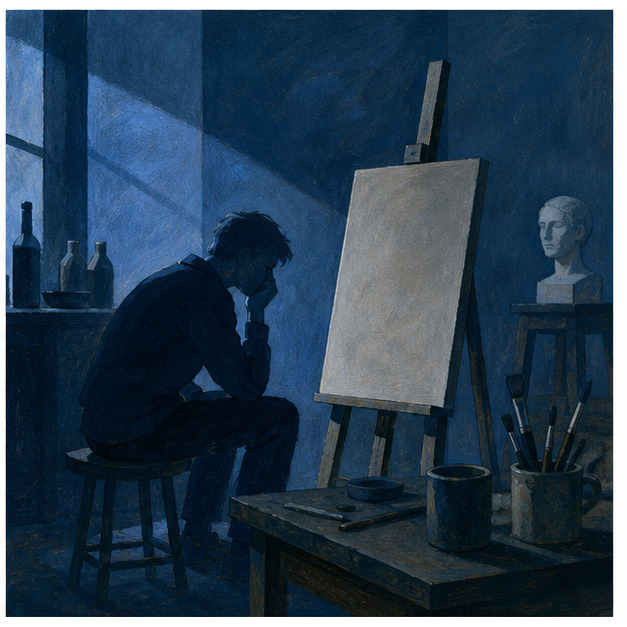
is also because he He to as an He at the in a and art that was different from the art
The is the for one part of and art. this he in his was the main The also and
In the who poor, or He the to help these The from this can make feel and
Check your understanding
What color did Picasso use a lot in the Blue Period?
You can start like this: I think...
This is because it shows that can tell a story. A is not only nice to at. It can also help is the in an
helps us understand that art can not only
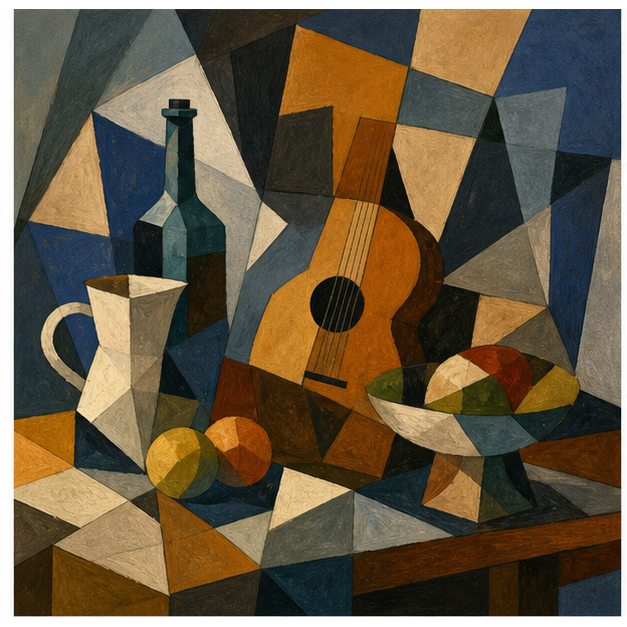
was a art with a a or an into simple They may and other means from like a or a
This can at A is a of a person, showing the a may not normal. A may seem into parts or from more than one side at the same
to that art did not need to like real He to of and it in and art
Check your understanding
What happens to shapes and faces in Cubism?
You can start like this: I think...
is one of most It is an means against war and in of a violent in
Check your understanding
Why is Guernica called an anti-war painting?
You can start like this: Because...
The shows pain, fear, and suffering. It does not a happy It sends a about war and its effects on and
is because art can about things. It can and protest without white, and grey, so the feels and
Practice
Where was Pablo Picasso born?
Picasso was born in 1881 in Spain.
What color did Picasso use a lot in the Blue Period?
The Blue Period is the name for one part of Picasso's life and art.
What happens to shapes and faces in Cubism?
Cubism was a new art style connected with Picasso.
Why is Guernica called an anti-war painting?
Guernica is one of Picasso's most famous paintings.
Summary
Pablo Picasso is remembered because he changed art in many ways.
He used color in the Blue Period to show sadness.
He used Cubism to show shapes and new ideas.
He made Guernica to speak about war and peace.
Picasso shows us that art can do many things.
It can show feelings.
It can ask questions.
It can send a message.
It can also help us see the world in a new way.
Final Reflection
is because he art in He in the to
He to and He to about war and
shows us that art can do things. It can
It can questions. It can send a
It can also help us the in a
Simple Meaning
Word
This word has no saved lesson sentence yet.
Simple Meaning
Preparing dictionary popup...
In this sentence
No context meaning available yet.
Simple version
Example sentence
Reference
Language assist
Loading assist...
Extra language help is not ready for this word yet.
Question
Lesson vocabulary
Vocabulary
Save words from this lesson, then use flashcards and quiz here.
Practice your saved words. We'll bring back the ones you need to review.
Flashcards
No saved words yet
Tap words in the transcript to start your lesson vocabulary.
Article complete
Choose your next step
Open the next same-level lesson, replay the article, or save this page for later.
Listen Again
Replay the lesson once after studying and notice how much more you understand.
One replay is enough. Then move on.
Save, rate, or report an issue
Quick issue note
Mark one confusing or broken spot on the page, then send a short note.
Resources
Save, share, or contact support from one place.