Tetris: How One Man in Moscow Made a Game the World Plays
Quality checked lesson
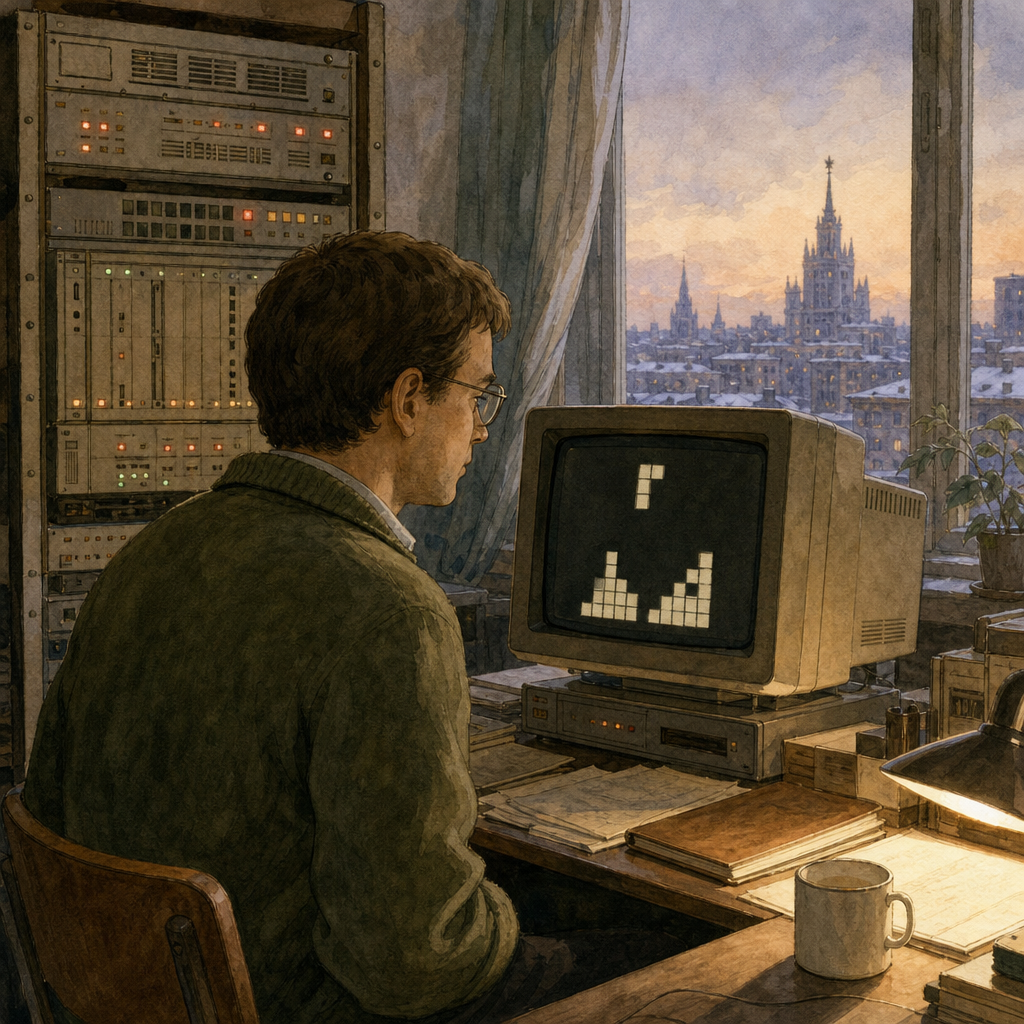
Alexey Pajitnov made Tetris in 1984 on an old Soviet computer with no pictures, only text. Copies spread from Moscow, and the Nintendo Game Boy carried the game around the world.
 English lesson
Article
Choose how to use this lesson
You can switch anytime.
Study mode
Introduction
Typing practice
Type the text exactly. Timer starts with your first key.
Text to type: Alexey Pajitnov made Tetris in 1984 on an old Soviet computer with no pictures, only text. Copies spread from Moscow, and the Nintendo Game Boy carried the game around the world.
Ready. The timer starts with your first key.
Complete
Great job!
Strong finish — your speed stayed steady.
Your rhythm
Speed over time- Time
- 0:00
- Raw speed
- 0 WPM
- Wrong keys
- 0
- Corrected
- 0
Before you begin
Warm-up
Have you ever played Tetris on a phone, a computer, or a small game machine?
Which old game do you still like today, and why?
When you think of a famous game, which country do you think it comes from?
 Part 1: One man, one office, one idea
Reading
Part 1: One man, one office, one idea
Typing practice
Type the text exactly. Timer starts with your first key.
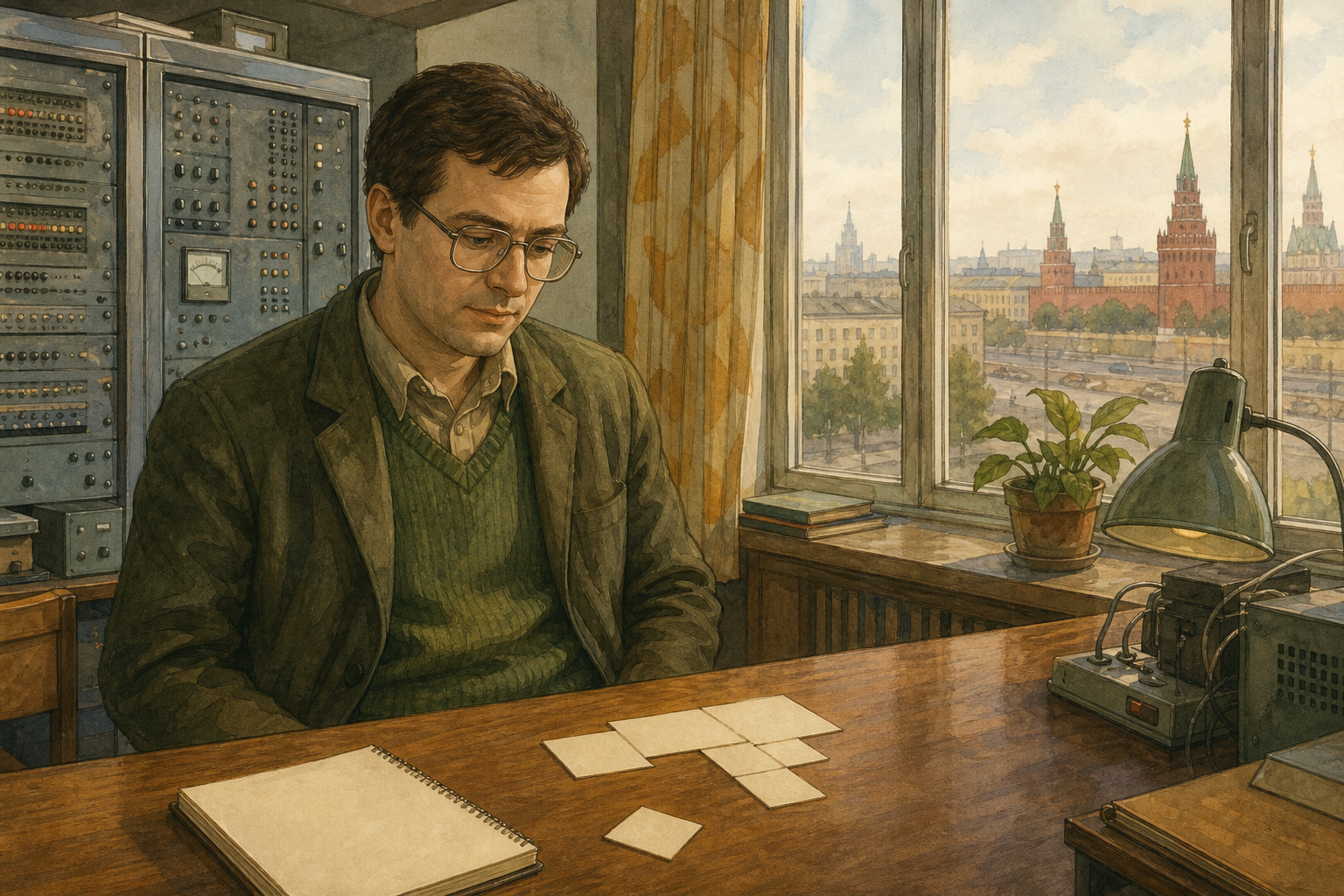
Text to type: Many famous games come from big companies. Tetris is different. It started with one person. His name was Alexey Pajitnov. He was a computer engineer. In 1984 he worked in Moscow. Moscow was the capital of the Soviet Union, a very large country that lasted from 1922 to 1991. Pajitnov worked at the Dorodnitsyn Computing Centre. This was a research place under the Academy of Sciences of the Soviet Union. His main job was not games. He tested computers. But in his free time he liked puzzles. That love of puzzles was the start of Tetris. In this story, we can follow three steps: the source, the change, and the result. The source was one man and his puzzles.
Ready. The timer starts with your first key.
Complete
Great job!
Strong finish — your speed stayed steady.
Your rhythm
Speed over time- Time
- 0:00
- Raw speed
- 0 WPM
- Wrong keys
- 0
- Corrected
- 0
Check your understanding
Check: Part 1: One man, one office, one idea
1. Where and when did Alexey Pajitnov make Tetris?
Sample answer
He made Tetris in 1984 in Moscow, in the Soviet Union, at the Dorodnitsyn Computing Centre.
Reading
Part 2: A computer with no pictures
Typing practice
Type the text exactly. Timer starts with your first key.
Text to type: Pajitnov built the first Tetris on a machine called the Elektronika 60. This was a Soviet minicomputer. It was made by a company named Elektronika in the city of Voronezh. The company made this computer from 1978 to 1991. The Elektronika 60 was big. It sat in a rack, like a metal shelf. It had no built-in screen. It could not show pictures at all. So the first Tetris had no drawings. The falling blocks were made from text characters, like letters and symbols on a page. A block was just a group of characters that moved down the screen. This was a very simple look. But the idea under it was strong. The source was simple. The change came soon.
Ready. The timer starts with your first key.
Complete
Great job!
Strong finish — your speed stayed steady.
Your rhythm
Speed over time- Time
- 0:00
- Raw speed
- 0 WPM
- Wrong keys
- 0
- Corrected
- 0
Check your understanding
Check: Part 2: A computer with no pictures
1. Why did the first Tetris have no pictures?
Sample answer
The Elektronika 60 could not show pictures, so the blocks were made from text characters.
 Part 3: The name and the shapes
Reading
Part 3: The name and the shapes
Typing practice
Type the text exactly. Timer starts with your first key.
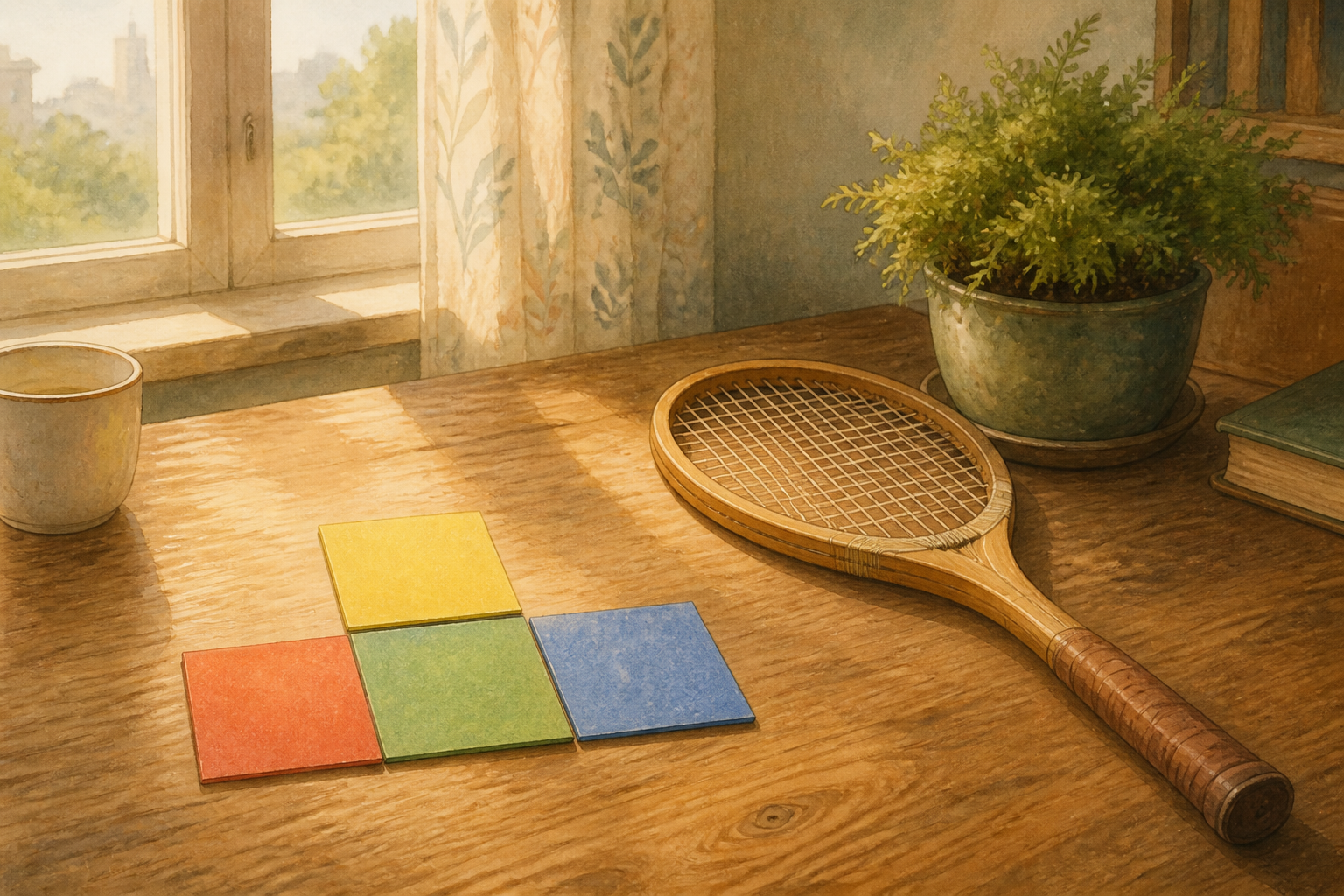
Text to type: The name Tetris has two parts. The first part comes from the word tetra. Tetra means four. Every Tetris piece is made of four small squares. The second part comes from tennis. Pajitnov liked tennis, so he joined the two words. Tetra plus tennis became Tetris. The game itself is easy to explain. Pieces fall from the top. The player turns them and moves them. A full line of squares disappears. The screen gets clean again. This mix is the heart of the game. The rule is small. The play is deep. Many people in Japan know this feeling from small puzzle games on a train ride. A short game fits a short trip. The idea from Moscow fits that life too.
Ready. The timer starts with your first key.
Complete
Great job!
Strong finish — your speed stayed steady.
Your rhythm
Speed over time- Time
- 0:00
- Raw speed
- 0 WPM
- Wrong keys
- 0
- Corrected
- 0
Check your understanding
Check: Part 3: The name and the shapes
1. Where do the two parts of the name Tetris come from?
Sample answer
Tetra means four, because each piece has four squares, and tennis was a sport Pajitnov liked.
Reading
Part 4: Copies spread from Moscow
Typing practice
Type the text exactly. Timer starts with your first key.
Text to type: Now the change. The game did not stay in one office. People in Moscow liked it. They copied it and gave it to friends. Copies moved from one computer to another. Later, versions appeared on home computers. The game left the Soviet Union and reached other countries. This spread was fast for the time. It happened with no big advertising. The reason was the game itself. It was easy to learn in one minute. It was hard to stop. One copy made ten more copies. In the lens of source, change, and result, this is the change. A small puzzle from a research centre was now a game in many homes. The result was still coming.
Ready. The timer starts with your first key.
Complete
Great job!
Strong finish — your speed stayed steady.
Your rhythm
Speed over time- Time
- 0:00
- Raw speed
- 0 WPM
- Wrong keys
- 0
- Corrected
- 0
Check your understanding
Check: Part 4: Copies spread from Moscow
1. How did Tetris first leave the office in Moscow?
Sample answer
People copied the game and shared it, and copies spread from computer to computer and then to other countries.
 Part 5: The Game Boy makes Tetris huge
Reading
Part 5: The Game Boy makes Tetris huge
Typing practice
Type the text exactly. Timer starts with your first key.
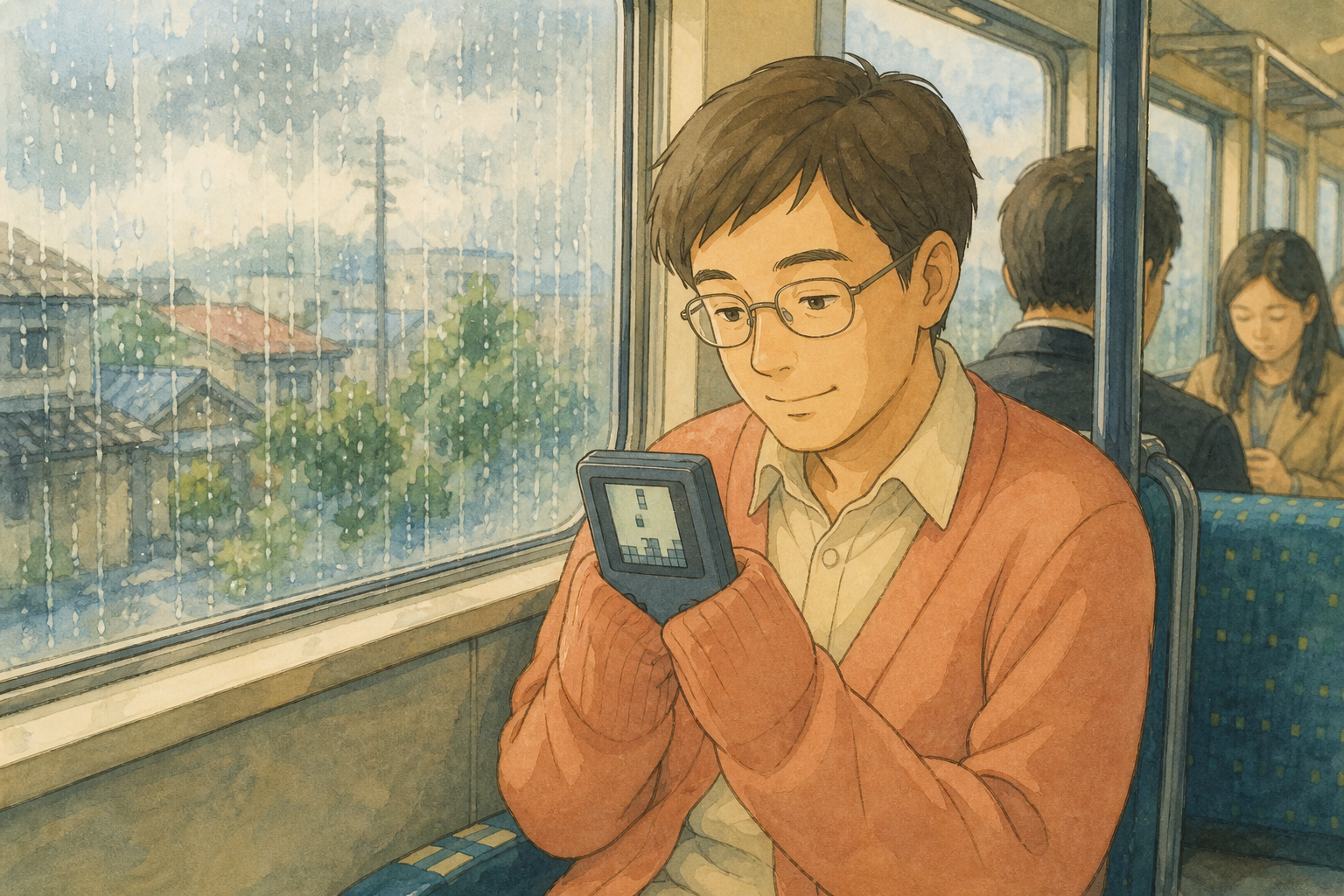
Text to type: The result came with a small machine. Nintendo is a Japanese video game company. In 1989 Nintendo released a handheld console called the Game Boy. A handheld console is a game machine you hold in your hands. Nintendo also released Tetris for the Game Boy. This was the big moment. People could now play Tetris on a bus, at school, or at home. The small screen and the small game were a perfect match. Tetris on the Game Boy helped the game become huge around the world. So the story ends far from its start. The source was a text-only computer in Moscow. The result was a game in millions of pockets, made famous by a company from Japan.
Ready. The timer starts with your first key.
Complete
Great job!
Strong finish — your speed stayed steady.
Your rhythm
Speed over time- Time
- 0:00
- Raw speed
- 0 WPM
- Wrong keys
- 0
- Corrected
- 0
Check your understanding
Check: Part 5: The Game Boy makes Tetris huge
1. What helped Tetris become huge worldwide?
Sample answer
Tetris on the Nintendo Game Boy helped it become huge, because people could play it anywhere on a small handheld machine.
Think one step further
Would you prefer to play a very simple game like Tetris or a big modern game with rich pictures, and why?
What you can do now
Final Reflection
Which part of the Tetris story is most interesting to you, and why?
Learning cards
My cards
Tetris: How One Man in Moscow Made a Game the World Plays
0 due · 0 new · about 1 min
Learn the sense first · then retrieve it
No saved cards yet
Open a word or phrase in the article and choose Save to My Words.
Focused Reading Mode is open.
Listening
Lesson audio
Listen from the beginning, or choose “Play this part” as you read along.
Reading
Part 1: One man, one office, one idea
Reading
Part 2: A computer with no pictures
Reading
Part 3: The name and the shapes
Reading
Part 4: Copies spread from Moscow
Reading
Part 5: The Game Boy makes Tetris huge
Finished listening?
Mark this listening practice complete when you have followed the lesson audio.
Listening complete
Listen Mode
Word-by-word syncPlay the audio and follow the highlighted word.
Article complete
Choose your next step
Open the next same-level lesson, replay the article, or save this page for later.
Listen Again
Replay the article once and notice how much more you understand.
One replay is enough. Then move on.