Glaucoma: The Quiet Eye Problem
Quality checked lesson
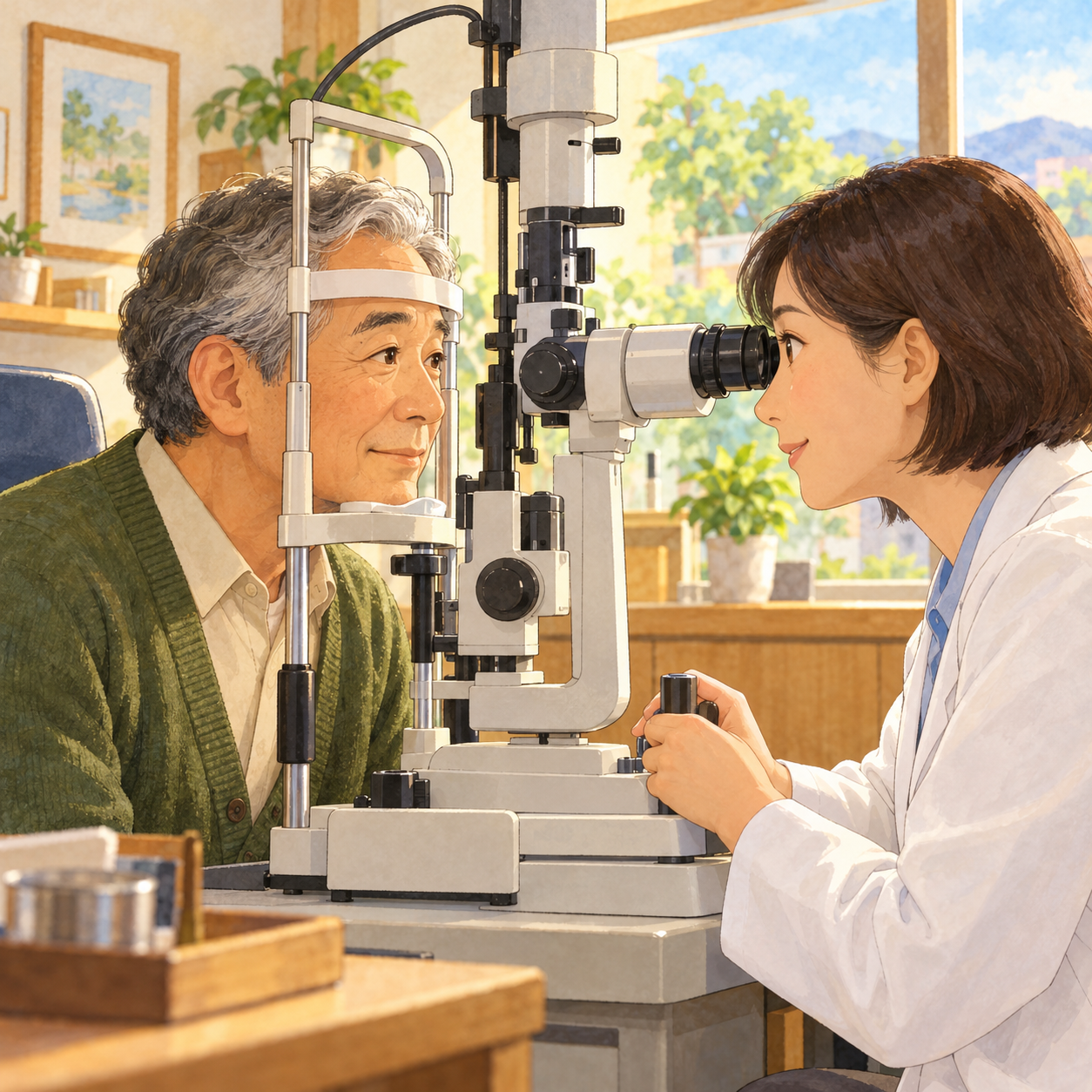
First we look at what glaucoma is and why it happens inside the eye. Next we look at its symptoms, including one type that is an emergency.
 English lesson

Article
Choose how to use this lesson
You can switch anytime.
Study mode
Introduction
Typing practice
Type the text exactly. Timer starts with your first key.
Text to type: First we look at what glaucoma is and why it happens inside the eye. Next we look at its symptoms, including one type that is an emergency. Then we see how doctors check for glaucoma and how they treat it. Finally, we look at what patients can do every day to protect their own sight.
Ready. The timer starts with your first key.
Complete
Great job!
Strong finish — your speed stayed steady.
Your rhythm
Speed over time- Time
- 0:00
- Raw speed
- 0 WPM
- Wrong keys
- 0
- Corrected
- 0
Before you begin
Warm-up
When did you last have an eye test? What happened?
Do you know anyone who uses eye drops every day?
Do you usually see a doctor only when something feels wrong, or also when you feel fine?
 Part 1: A Problem You Cannot Feel
Reading
Part 1: A Problem You Cannot Feel
Typing practice
Type the text exactly. Timer starts with your first key.
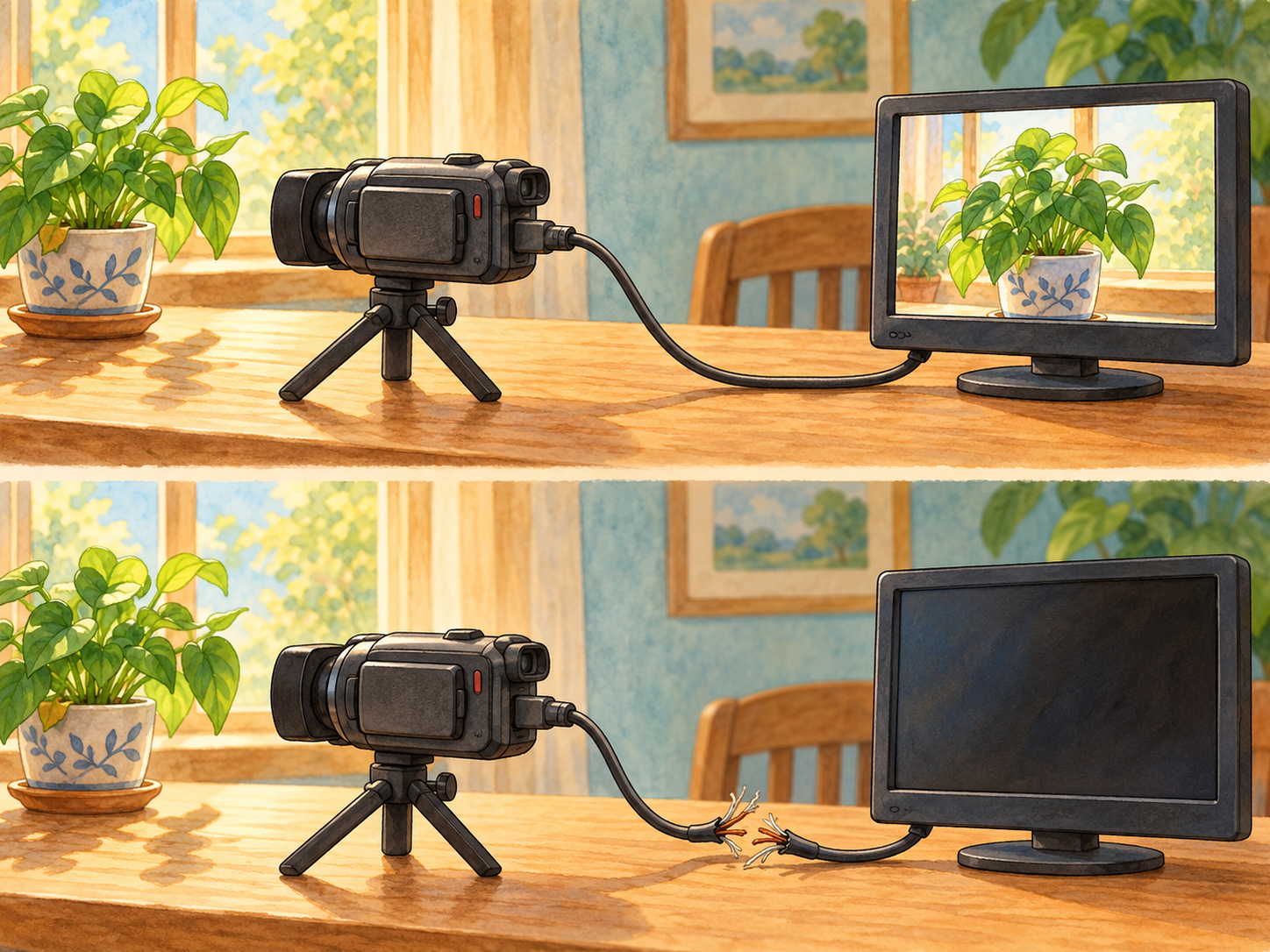
Text to type: Imagine some people at an eye test. They all feel fine. They can see well, and they have no pain. But one of them already has early glaucoma. How is this possible? To answer this, we need to know about the optic nerve. This is the main nerve that connects the eye to the brain. Think of a TV camera and a screen. The eye is like the camera. The brain is like the screen. The optic nerve is the cable between them. If the cable is damaged, the picture cannot reach the screen, even when the camera works perfectly. Glaucoma damages this cable. Often the damage starts quietly, so a person can have glaucoma and still feel normal. Feeling fine is not the same as being fine.
Ready. The timer starts with your first key.
Complete
Great job!
Strong finish — your speed stayed steady.
Your rhythm
Speed over time- Time
- 0:00
- Raw speed
- 0 WPM
- Wrong keys
- 0
- Corrected
- 0
Check your understanding
Check: Part 1: A Problem You Cannot Feel
1. What does glaucoma damage, and what does that part of the body do?
Sample answer
Glaucoma damages the optic nerve, the main nerve that connects the eye to the brain.
Reading
Part 2: Too Much Fluid, Too Much Pressure
Typing practice
Type the text exactly. Timer starts with your first key.
Text to type: Why does the optic nerve get damaged? Usually, the problem is fluid. There is fluid inside the eye, and it needs to drain out properly. Think of a kitchen sink with the tap on. If the drain works, the water goes away and the sink never fills up. But if the drain is slow, the water rises. In the eye, the fluid cannot drain properly, so eye pressure goes up. This high pressure pushes on the optic nerve and damages it. But the story is not always so simple. Sometimes the optic nerve is damaged even when eye pressure is normal. So high pressure is the usual cause, but it is not the only one. This is important for the next parts. A normal pressure number does not always mean a healthy nerve.
Ready. The timer starts with your first key.
Complete
Great job!
Strong finish — your speed stayed steady.
Your rhythm
Speed over time- Time
- 0:00
- Raw speed
- 0 WPM
- Wrong keys
- 0
- Corrected
- 0
Check your understanding
Check: Part 2: Too Much Fluid, Too Much Pressure
1. Why does eye pressure usually go up in glaucoma?
Sample answer
Fluid in the eye cannot drain properly, so pressure builds up and damages the optic nerve.
Think one step further
Why might a person with normal eye pressure think they are safe? Why is that a risk?
 Part 3: Quiet Most of the Time, Sudden Sometimes
Reading
Part 3: Quiet Most of the Time, Sudden Sometimes
Typing practice
Type the text exactly. Timer starts with your first key.
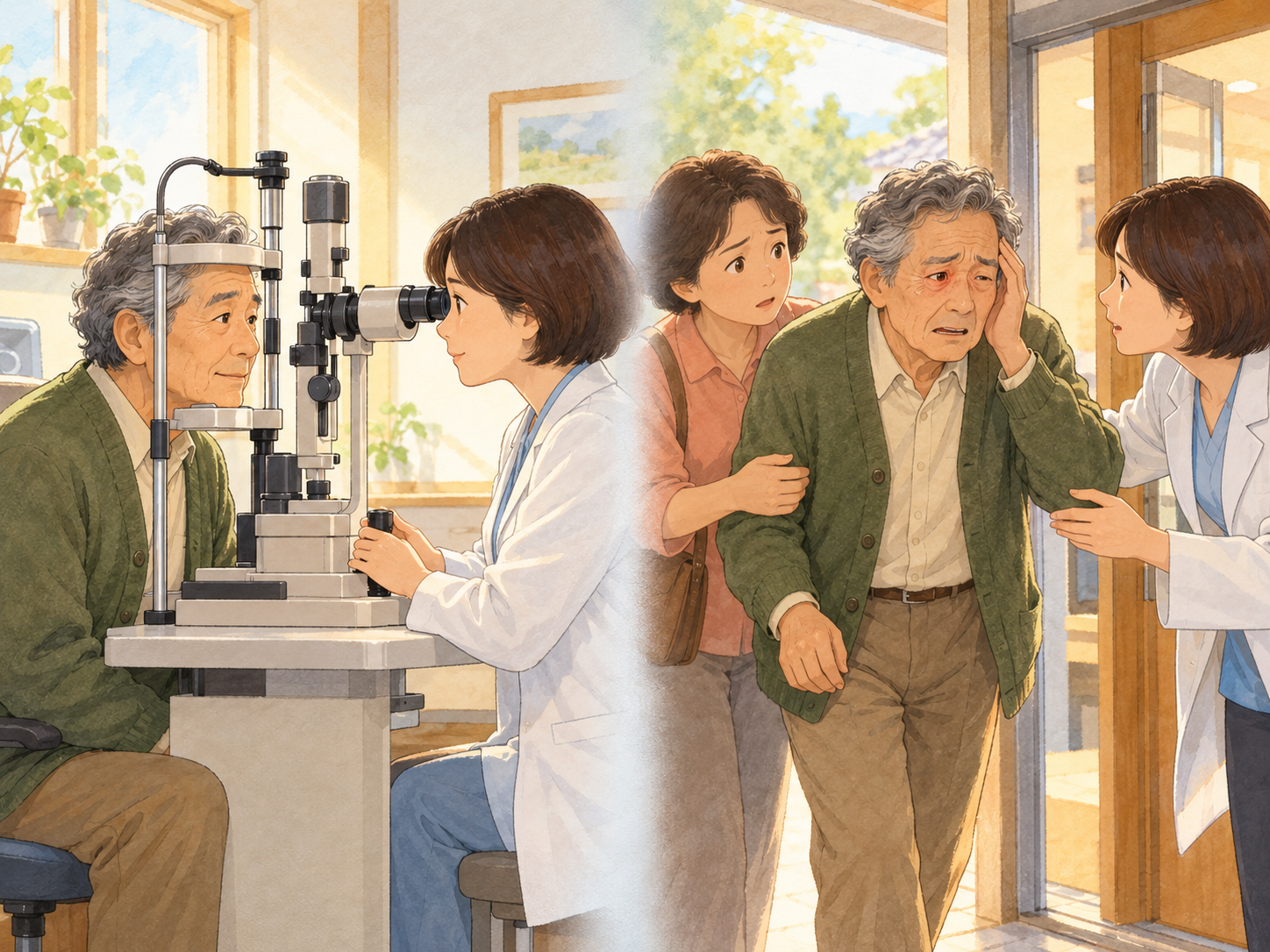
Text to type: Most of the time, glaucoma gives no early warning. Many people find out at a routine eye test, before they notice any problem. This is why it can be called a quiet problem. However, glaucoma can sometimes come suddenly. Then the symptoms are very clear: - intense eye pain - a red eye - rainbow-coloured circles around lights - blurred vision - nausea - a headache This sudden type is an emergency. The person needs treatment immediately. They should not wait for a normal appointment. So glaucoma can be very different. Usually it is quiet, and only a check can find it. Sometimes it is loud and sudden, and it needs help at once.
Ready. The timer starts with your first key.
Complete
Great job!
Strong finish — your speed stayed steady.
Your rhythm
Speed over time- Time
- 0:00
- Raw speed
- 0 WPM
- Wrong keys
- 0
- Corrected
- 0
Check your understanding
Check: Part 3: Quiet Most of the Time, Sudden Sometimes
1. What should a person do if they suddenly have intense eye pain, a red eye and rainbow circles around lights?
Sample answer
They should get treatment immediately, because sudden glaucoma symptoms are an emergency.
Reading
Part 4: How Doctors Find It
Typing practice
Type the text exactly. Timer starts with your first key.
Text to type: If glaucoma is often quiet, how do doctors find it? Very often, it is found during a routine eye test. This is a normal check, not a visit because of a problem. The person may feel completely fine. When the eye tester sees possible signs of glaucoma, the patient is referred to a specialist. The specialist then does further tests to look more closely. Why are more tests needed? Remember Part 2. Damage can happen even when eye pressure is normal. So one number alone cannot tell the whole story. Doctors need to look at the eye in more than one way. Remember the person in Part 1 who "felt fine". They can only find out about their glaucoma at a check. Waiting for symptoms often means waiting too long.
Ready. The timer starts with your first key.
Complete
Great job!
Strong finish — your speed stayed steady.
Your rhythm
Speed over time- Time
- 0:00
- Raw speed
- 0 WPM
- Wrong keys
- 0
- Corrected
- 0
Check your understanding
Check: Part 4: How Doctors Find It
1. When is glaucoma often found?
Sample answer
It is often found during routine eye tests, before any symptoms appear.
Think one step further
Would you go for an eye test if your eyes felt fine? Why or why not?
Reading
Part 5: Treatment Protects, It Does Not Repair
Typing practice
Type the text exactly. Timer starts with your first key.
Text to type: Doctors treat glaucoma with eye drops, laser treatment and surgery. Eye drops, laser treatment and surgery all have the same goal. They reduce the fluid and pressure in the eye. Think of the sink again. Treatment helps the water go down, so it stops pressing so hard. But we must be honest about what treatment can do. It can slow the damage. It can stop vision from getting worse. It cannot cure glaucoma, and it cannot bring back sight that is already lost. A damaged cable does not repair itself. This is why regular follow-ups are important. Doctors use them to check that the treatment is really working. Treatment is not a single day. It is a long-term job.
Ready. The timer starts with your first key.
Complete
Great job!
Strong finish — your speed stayed steady.
Your rhythm
Speed over time- Time
- 0:00
- Raw speed
- 0 WPM
- Wrong keys
- 0
- Corrected
- 0
Check your understanding
Check: Part 5: Treatment Protects, It Does Not Repair
1. Can glaucoma treatment bring back sight that is already lost?
Sample answer
No. Treatment can slow damage and stop vision getting worse, but it cannot cure glaucoma or bring back lost sight.
Reading
Part 6: What Patients Can Do
Typing practice
Type the text exactly. Timer starts with your first key.
Text to type: If treatment only protects the sight you still have, then timing matters. The patient has an important role here. First, people with glaucoma should use their eye drops every day. Drops only work when they are used. A day without drops is a day without protection. Second, they should go to regular checkups. Remember, glaucoma is often quiet. The patient may not notice if things get worse. The doctor can. This can be hard. Using drops every day for years takes effort, especially when your eyes feel normal. But this is exactly the point. You are not treating how your eyes feel today. You are protecting the sight you will need for the rest of your life.
Ready. The timer starts with your first key.
Complete
Great job!
Strong finish — your speed stayed steady.
Your rhythm
Speed over time- Time
- 0:00
- Raw speed
- 0 WPM
- Wrong keys
- 0
- Corrected
- 0
Check your understanding
Check: Part 6: What Patients Can Do
1. What should people with glaucoma do to stop their vision getting worse?
Sample answer
They should use their eye drops every day and go to regular checkups.
Think one step further
What could make it hard to use eye drops every day? What might help?
If you had glaucoma, would you tell your family? What would you want to ask your doctor?
What you can do now
Final Reflection
At the start, it seemed that feeling fine meant your eyes were healthy, and that lost sight could come back. Now we know that glaucoma often damages the optic nerve quietly, and that treatment protects remaining sight but cannot restore what is lost. So the most powerful steps are simple ones: regular checks, daily drops, and fast help in an emergency.
Has this changed how you think about eye checkups when you feel fine?
Why do you think many people find daily treatment hard when they have no symptoms?
Should eye tests be part of regular health checks for adults in your country? Why or why not?
Learning cards
My cards
Glaucoma: The Quiet Eye Problem
0 due · 0 new · about 1 min
Learn the sense first · then retrieve it
No saved cards yet
Open a word or phrase in the article and choose Save to My Words.
Focused Reading Mode is open.
Listening
Lesson audio
Listen from the beginning, or choose “Play this part” as you read along.
Reading
Part 1: A Problem You Cannot Feel
Reading
Part 2: Too Much Fluid, Too Much Pressure
Reading
Part 3: Quiet Most of the Time, Sudden Sometimes
Reading
Part 4: How Doctors Find It
Reading
Part 5: Treatment Protects, It Does Not Repair
Reading
Part 6: What Patients Can Do
Finished listening?
Mark this listening practice complete when you have followed the lesson audio.
Listening complete
Listen Mode
Word-by-word syncPlay the audio and follow the highlighted word.
Article complete
Choose your next step
Open the next same-level lesson, replay the article, or save this page for later.
Listen Again
Replay the article once and notice how much more you understand.
One replay is enough. Then move on.