Spain, Its People and Its Way of Life
Quality checked lesson
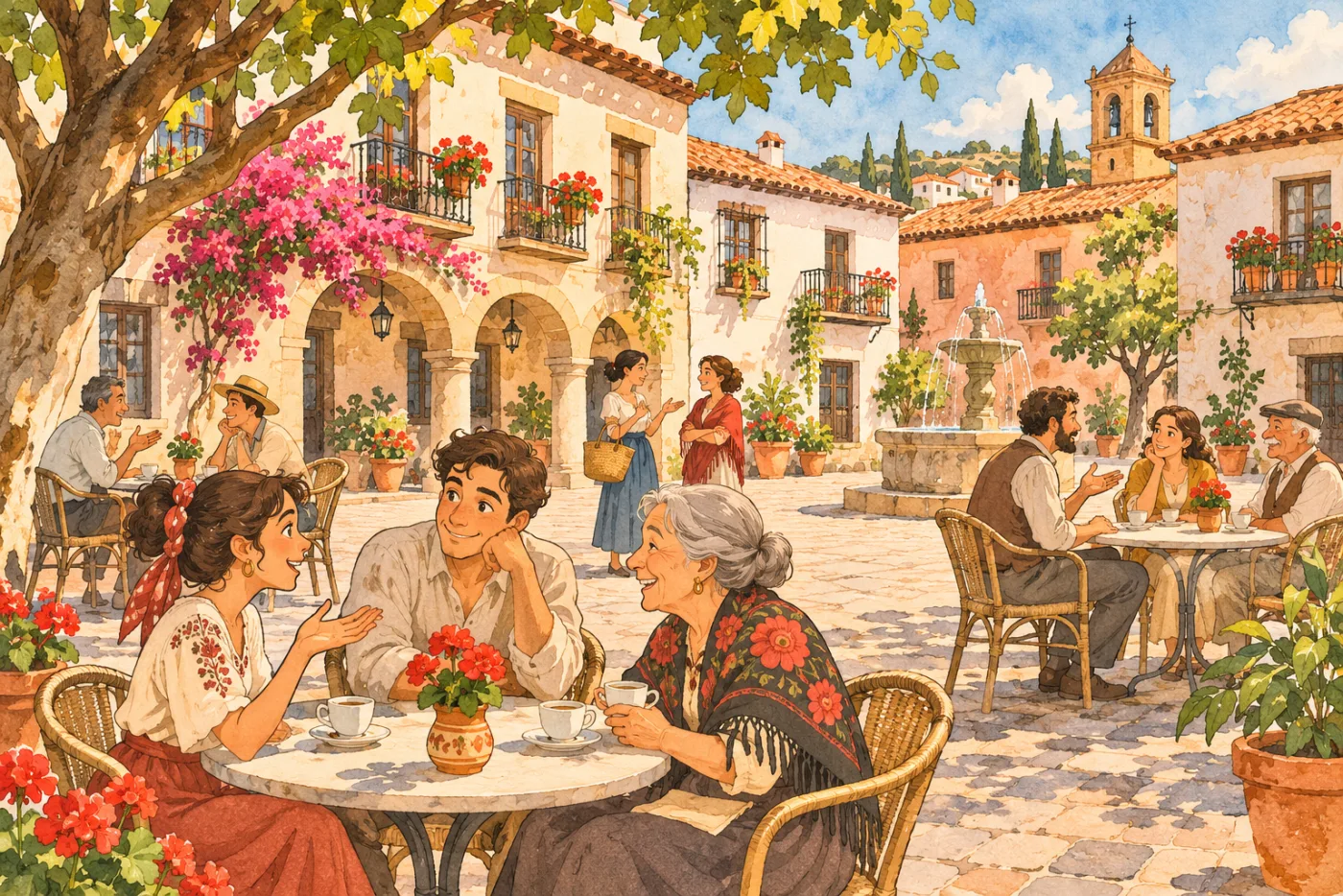
In Spain, many everyday things have a clear reason behind them.
 English lesson

Article
Choose how to use this lesson
You can switch anytime.
Study mode
Introduction
Typing practice
Type the text exactly. Timer starts with your first key.
Text to type: Today we take a short trip around Spain. We will learn about daily life, history and languages. Later, we will visit famous places, try the food and go to a spring party.
Ready. The timer starts with your first key.
Complete
Great job!
Strong finish — your speed stayed steady.
Your rhythm
Speed over time- Time
- 0:00
- Raw speed
- 0 WPM
- Wrong keys
- 0
- Corrected
- 0
Before you begin
Warm-up
What do you know about Spain?
What Spanish food have you tried, or what would you like to try?
What time do you usually eat dinner?
 Part 1: People and Everyday Life
Reading
Part 1: People and Everyday Life
Typing practice
Type the text exactly. Timer starts with your first key.
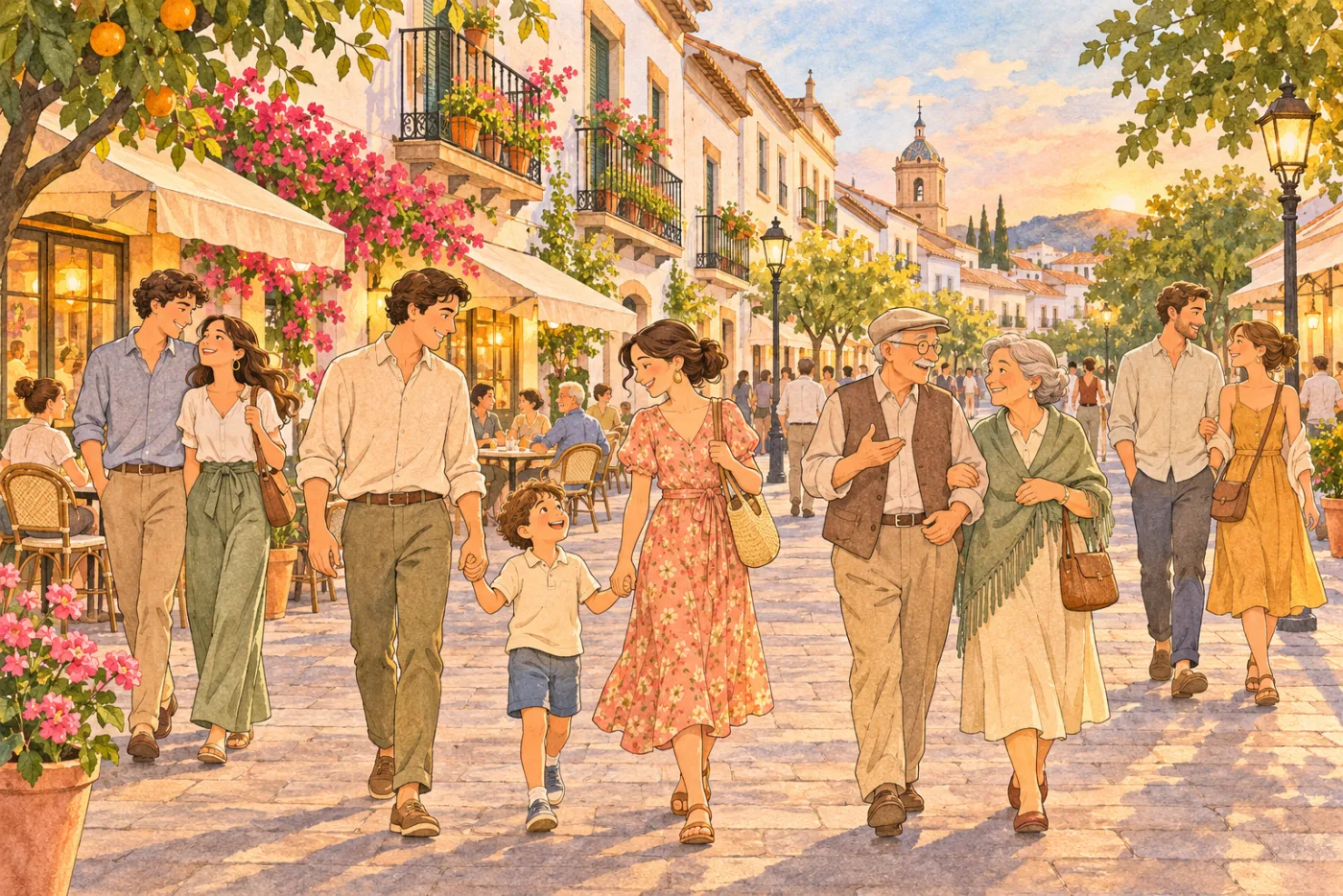
Text to type: Most people in Spain live in flats, not houses. Their homes are often small, and the weather is often warm. So a lot of life happens outside. People meet friends in cafés and in the plaza. The plaza is the big square in the middle of a town. It is like a big living room for everyone. In summer, the afternoons are very hot. So people stay inside in the hottest hours. In the evening, the air gets cooler. So they go out for the paseo, a slow evening walk. Families walk through the town and say hello to neighbours. The paseo is not for sport. It is a way to see your town and your friends.
Ready. The timer starts with your first key.
Complete
Great job!
Strong finish — your speed stayed steady.
Your rhythm
Speed over time- Time
- 0:00
- Raw speed
- 0 WPM
- Wrong keys
- 0
- Corrected
- 0
Check your understanding
Check: Part 1: People and Everyday Life
1. Why do many people in Spain go for a walk in the evening?
Sample answer
Because the afternoon is very hot, and the evening is cooler.
 Part 2: 1492, a Big Year in History
Reading
Part 2: 1492, a Big Year in History
Typing practice
Type the text exactly. Timer starts with your first key.
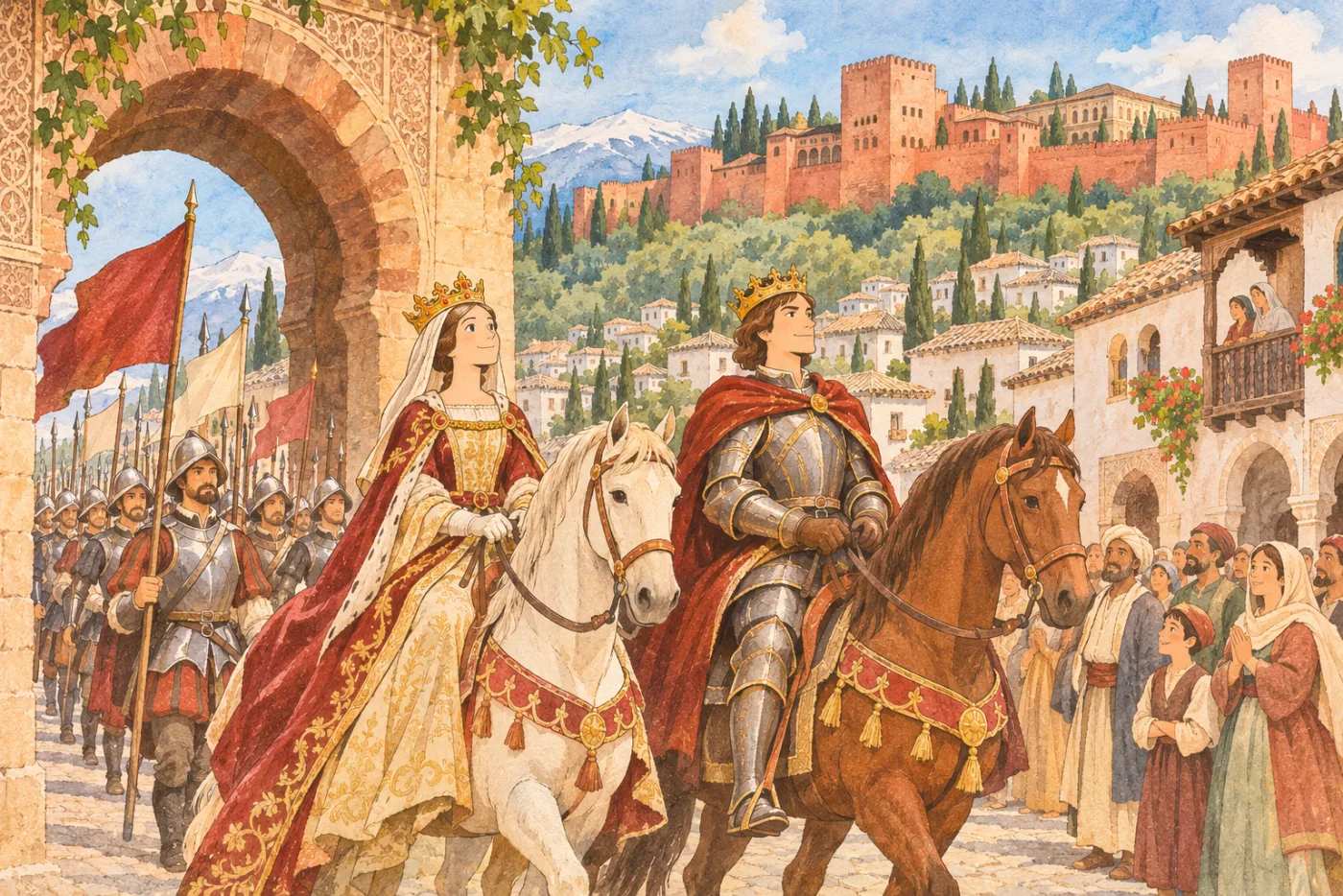
Text to type: Before 1492, Spain was not one country. It had several kingdoms. A kingdom is a country with a king or a queen. The biggest were Castile and Aragon. In the south was Granada, the last kingdom with Muslim rulers. Isabella was the future queen of Castile, and Ferdinand was the future king of Aragon. They married, so their kingdoms worked together. Isabella and Ferdinand are called the Catholic Monarchs. Monarch is another word for king or queen. In 1492, they took Granada. Now they ruled almost all of Spain. In the same year, they paid for the ships of a sailor called Columbus. He sailed west, and on 12 October 1492, he arrived in America. That is why 12 October is the national day of Spain.
Ready. The timer starts with your first key.
Complete
Great job!
Strong finish — your speed stayed steady.
Your rhythm
Speed over time- Time
- 0:00
- Raw speed
- 0 WPM
- Wrong keys
- 0
- Corrected
- 0
Check your understanding
Check: Part 2: 1492, a Big Year in History
1. Who took Granada in 1492?
Sample answer
Isabella and Ferdinand, the Catholic Monarchs.
 Part 3: Regions and Languages
Reading
Part 3: Regions and Languages
Typing practice
Type the text exactly. Timer starts with your first key.
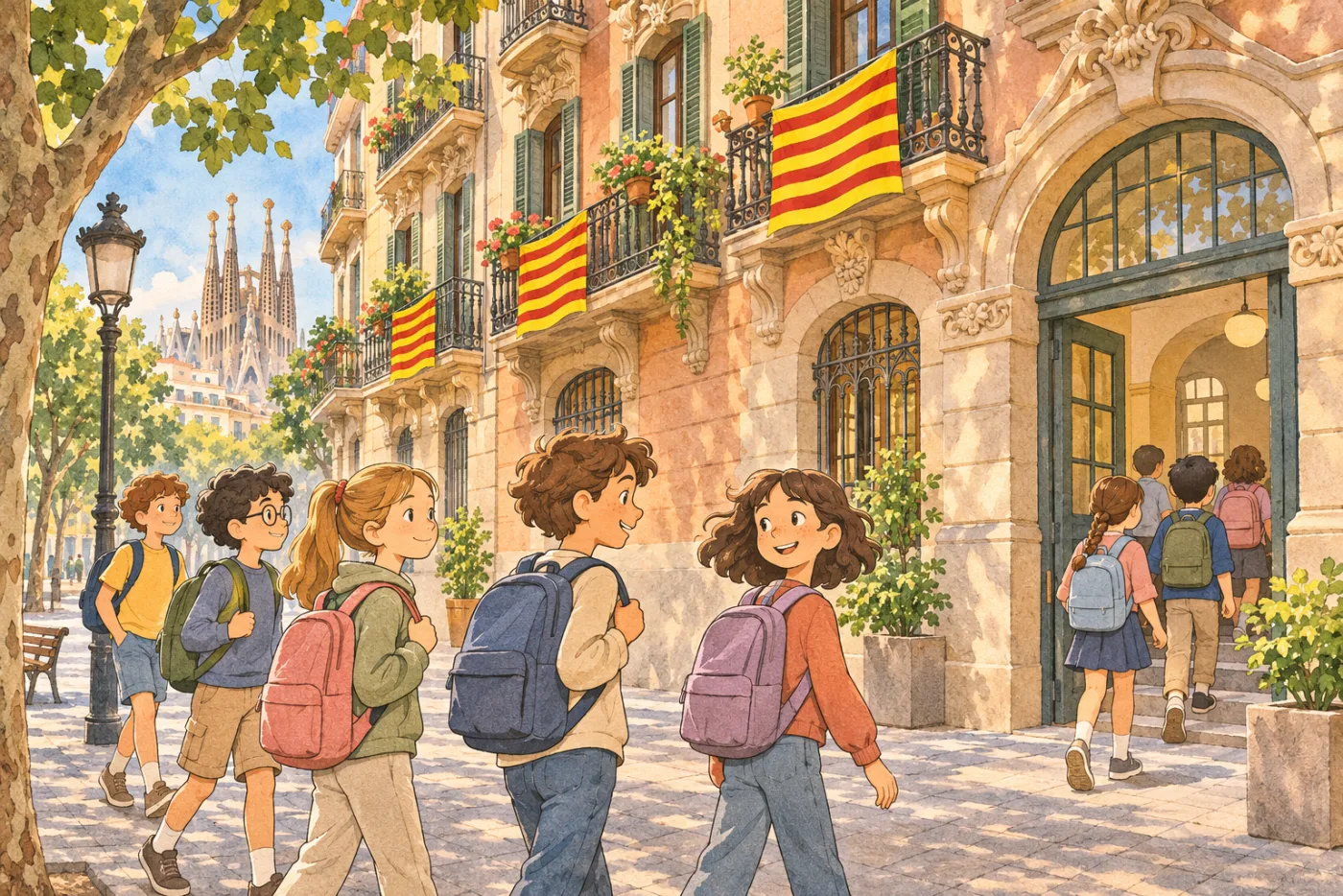
Text to type: Spain has 17 regions, called autonomous communities. Each one has its own government. It decides many things for itself, like schools and hospitals. Why? Long ago, Spain had several kingdoms. That is why the regions are still different today. Some even have their own language. Spanish is spoken all over Spain. People there often call it castellano, because it first came from Castile. Around Barcelona, in the north-east, people also speak Catalan. In the Basque Country, in the north, people also speak Basque. Most languages belong to a language family. It is a group of languages that grew from one old language. For example, Spanish and Catalan both grew from Latin. But Basque is not in the same family as any other language. So people who speak only Spanish cannot understand it.
Ready. The timer starts with your first key.
Complete
Great job!
Strong finish — your speed stayed steady.
Your rhythm
Speed over time- Time
- 0:00
- Raw speed
- 0 WPM
- Wrong keys
- 0
- Corrected
- 0
Check your understanding
Check: Part 3: Regions and Languages
1. Why do people in Spain call Spanish castellano?
Sample answer
Because it first came from Castile.
 Part 4: Famous Places
Reading
Part 4: Famous Places
Typing practice
Type the text exactly. Timer starts with your first key.
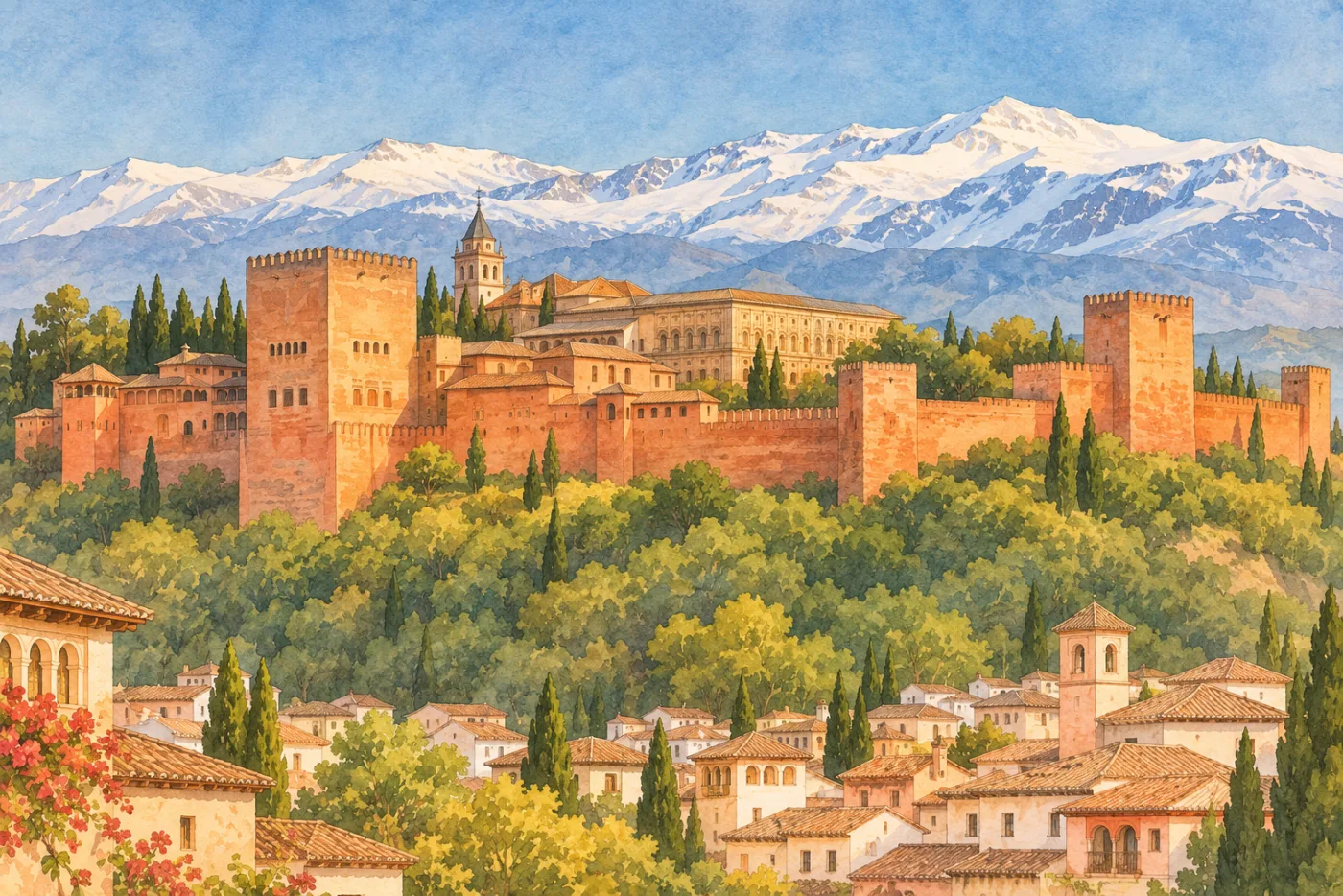
Text to type: In Granada, you can see the Alhambra. It was the palace of the Muslim kings there. The name is Arabic for the red one. Why? The walls are made of red earth. In Barcelona, there is the Sagrada Família, a very big church by Gaudí. Building started in 1882, and it is still not finished. Why is it so slow? The church gets no money from the government. Tickets and gifts from visitors pay for the work. So it can only grow when there is money.
Ready. The timer starts with your first key.
Complete
Great job!
Strong finish — your speed stayed steady.
Your rhythm
Speed over time- Time
- 0:00
- Raw speed
- 0 WPM
- Wrong keys
- 0
- Corrected
- 0
Check your understanding
Check: Part 4: Famous Places
1. Why is the Sagrada Família still not finished?
Sample answer
Because only tickets and gifts pay for the work, so the money comes slowly.
 Part 5: Food and Meals
Reading
Part 5: Food and Meals
Typing practice
Type the text exactly. Timer starts with your first key.
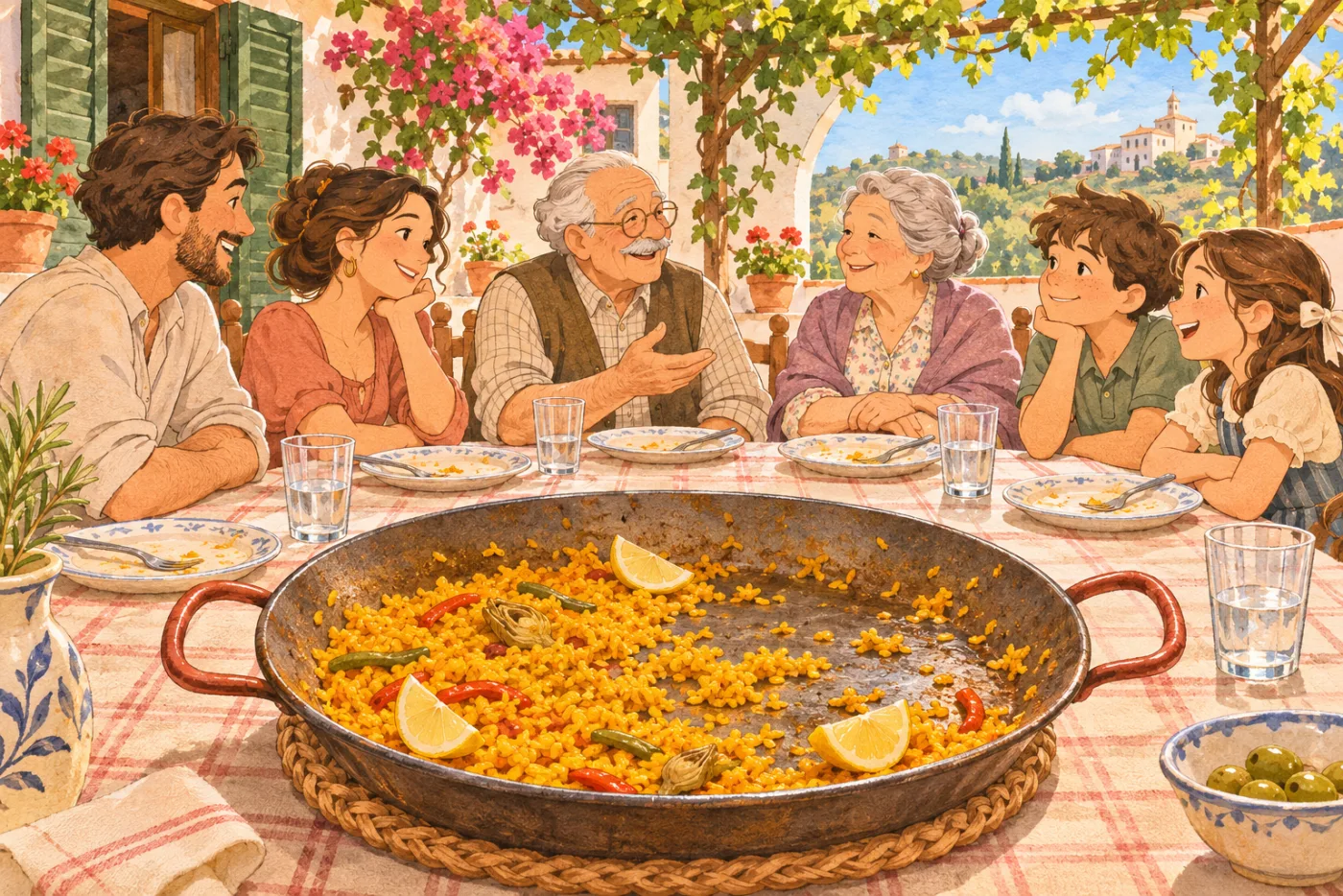
Text to type: Lunch is the biggest meal of the day, and dinner comes late. These are the usual times: - Lunch: about 2 pm - Dinner: 9 pm or later Why so late? One reason is the clock. In 1940, the dictator Franco moved the clocks one hour forward. A dictator is a ruler with all the power. The clocks never went back. So Spain's clocks are ahead of the sun. In winter, they are about one hour ahead. So dinner at 9 pm is like 8 pm by the sun. Lunch is also long. Why? It is the biggest meal, so people eat it slowly. After the meal, people stay at the table and talk. There is a word for this time: sobremesa, or over the table. A famous lunch dish is paella, from Valencia. It is rice cooked in a wide, flat pan. In Valencia, people call this pan a paella. So the dish has the same name as the pan.
Ready. The timer starts with your first key.
Complete
Great job!
Strong finish — your speed stayed steady.
Your rhythm
Speed over time- Time
- 0:00
- Raw speed
- 0 WPM
- Wrong keys
- 0
- Corrected
- 0
Check your understanding
Check: Part 5: Food and Meals
1. Why does dinner in Spain look late on the clock?
Sample answer
Because since 1940, Spain's clocks are ahead of the sun.
 Part 6: The Seville Fair and Flamenco
Reading
Part 6: The Seville Fair and Flamenco
Typing practice
Type the text exactly. Timer starts with your first key.
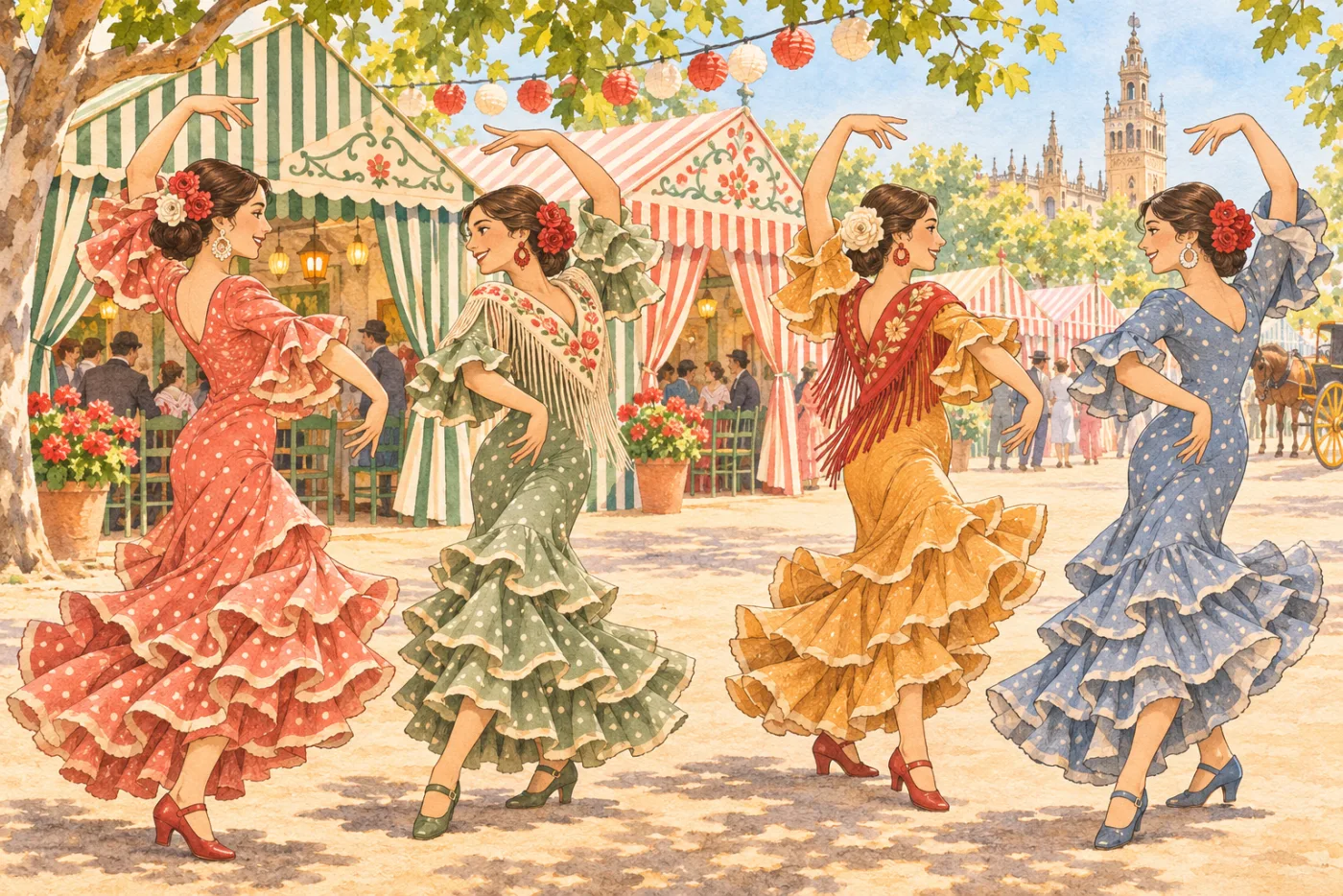
Text to type: Every spring, Seville has its big fair. It started as a market for buying and selling farm animals. Today it is like a small town of colourful tents along long streets. Each tent is called a caseta. Most of them belong to families, groups of friends, clubs or companies. So you usually go in only when the owners invite you. Inside, people eat, drink and dance sevillanas, a happy dance for couples. Seville is in Andalusia, the home of flamenco. Flamenco is singing, guitar music and dance together. The dancer often hits the floor hard with the shoes. So the shoes make music too. The Romani people of Andalusia helped to create flamenco.
Ready. The timer starts with your first key.
Complete
Great job!
Strong finish — your speed stayed steady.
Your rhythm
Speed over time- Time
- 0:00
- Raw speed
- 0 WPM
- Wrong keys
- 0
- Corrected
- 0
Check your understanding
Check: Part 6: The Seville Fair and Flamenco
1. Who owns most of the tents at the Seville Fair?
Sample answer
Families, groups of friends, clubs or companies.
What you can do now
Final Reflection
The evening walk, the late dinner and the word castellano all have a reason.
Would you like a long Spanish lunch with sobremesa? Why or why not?
Which place would you visit first, the Alhambra or the Sagrada Família?
Do people in your town take evening walks?
Learning cards
My cards
Spain, Its People and Its Way of Life
0 due · 0 new · about 1 min
Learn the sense first · then retrieve it
No saved cards yet
Open a word or phrase in the article and choose Save to My Words.
Focused Reading Mode is open.
Listening
Lesson audio
Listen from the beginning, or choose “Play this part” as you read along.
Reading
Part 1: People and Everyday Life
Reading
Part 2: 1492, a Big Year in History
Reading
Part 3: Regions and Languages
Reading
Part 4: Famous Places
Reading
Part 5: Food and Meals
Reading
Part 6: The Seville Fair and Flamenco
Finished listening?
Mark this listening practice complete when you have followed the lesson audio.
Listening complete
Listen Mode
Word-by-word syncPlay the audio and follow the highlighted word.
Article complete
Choose your next step
Open the next same-level lesson, replay the article, or save this page for later.
Listen Again
Replay the article once and notice how much more you understand.
One replay is enough. Then move on.
Lesson resources
Resources
Sources and fact review (16)
- Housing in Europe 2024 (Eurostat)
most people in Spain live in flats (about two thirds, the highest share in the EU)
- The Paseo in Spain
the paseo as a social evening walk after the heat of the day
- Catholic Monarchs (Wikipedia)
marriage of Isabella of Castile and Ferdinand of Aragon; Granada taken in 1492; they paid for Columbus's ships; landing on 12 October 1492
- The conquest of Granada (Britannica)
Granada was the last kingdom with Muslim rulers
- Fiesta Nacional de España (Wikipedia)
12 October as Spain's national day, remembering Columbus's arrival
- Autonomous communities of Spain (Wikipedia)
17 autonomous communities with their own governments, which run things like education and health
- Catalan language (Wikipedia)
Catalan spoken in north-east Spain; Catalan, like Spanish, is a Romance language that grew from Latin
- Basque language (Wikipedia)
Basque is not related to any other known language (a language isolate)
- Alhambra (Wikipedia)
palace of Granada's Muslim rulers; name from Arabic for the red one; red earth walls
- Sagrada Família (Wikipedia)
by Gaudí; building started 1882; paid for by tickets and gifts; still not finished
- Time in Spain (Wikipedia)
Mainland Spain uses Central European Time (UTC+1, UTC+2 in summer) since 1940; before that most of Spain used GMT
- Why Spain is still in the wrong time zone because of Hitler (The Local)
Franco moved the clocks one hour forward in 1940, and Spain is still in that time zone, about an hour ahead of the sun; lunch about 2 pm and dinner about 9 pm or later
- Why Do Shops in Spain Close in the Afternoon? (Spain Handbook)
lunch is the largest meal of the day and a long one
- Paella (Wikipedia)
from Valencia; wide flat pan; paella is the Valencian word for the pan
- Seville Fair (Wikipedia)
held in spring; started as a livestock fair; streets of casetas owned by families, friends, clubs and companies; sevillanas
- Flamenco (UNESCO)
flamenco joins song, dance and music; from Andalusia; important role of the Gitano (Romani) community