More About Spain, from Two Kisses to the Camino
Quality checked lesson
Spanish greetings, names, festivals, islands and the Camino all have clear reasons behind them, and you can use them in real conversations.
 English lesson

Article
Choose how to use this lesson
You can switch anytime.
Study mode
Introduction
Typing practice
Type the text exactly. Timer starts with your first key.
Text to type: In part one, we learned about the history, places and food of Spain. Today we will learn about kisses, names, a fire festival, islands and a long walk. Then we will practise three real conversations.
Ready. The timer starts with your first key.
Complete
Great job!
Strong finish — your speed stayed steady.
Your rhythm
Speed over time- Time
- 0:00
- Raw speed
- 0 WPM
- Wrong keys
- 0
- Corrected
- 0
Before you begin
Warm-up
How do people say hello in your country?
Do you sit and talk at the table after a meal?
What is the longest walk you have ever done?
 Part 1: Two Kisses to Say Hello
Reading
Part 1: Two Kisses to Say Hello
Typing practice
Type the text exactly. Timer starts with your first key.
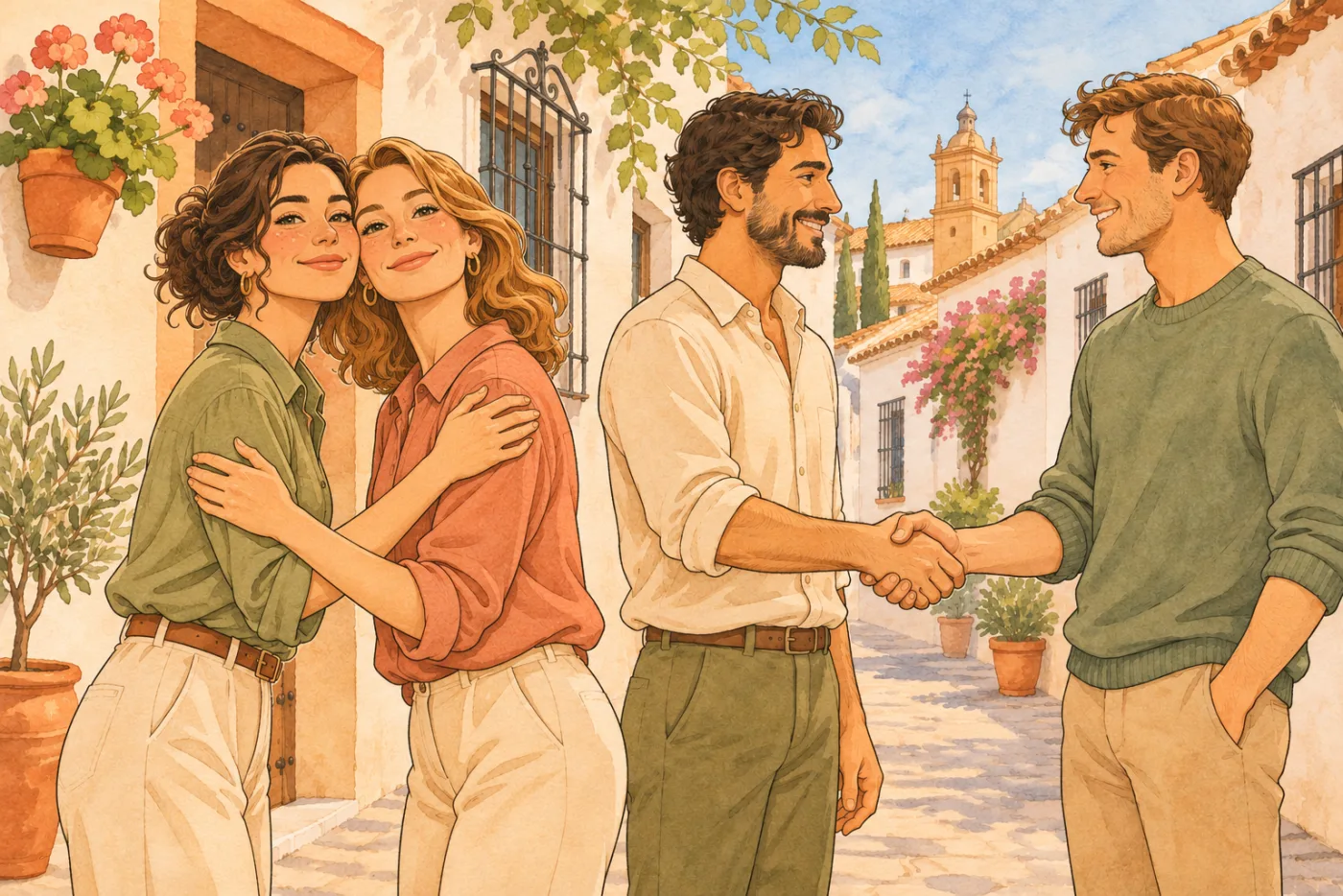
Text to type: When people in Spain meet, they often give dos besos. Dos besos is Spanish for two kisses, one on each cheek. It is not a real kiss. The cheeks just touch. People make a small kiss sound in the air. Women do this with women, and men do it with women. People do it with friends and family. They also do it with someone new, like a friend of a friend. Two men usually shake hands. If they are close friends or family, they often hug. At work, more people now shake hands, especially at a first meeting. For Spanish people, the two kisses are a normal, warm hello, like a smile. So a Spanish person may feel a little hurt if a visitor steps back.
Ready. The timer starts with your first key.
Complete
Great job!
Strong finish — your speed stayed steady.
Your rhythm
Speed over time- Time
- 0:00
- Raw speed
- 0 WPM
- Wrong keys
- 0
- Corrected
- 0
Check your understanding
Check: Part 1: Two Kisses to Say Hello
1. How do two men usually say hello in Spain?
Sample answer
They shake hands, or they hug if they are close.
Useful language
Useful phrases
- Nice to meet you.
- when you meet someone for the first timeHello, nice to meet you. I'm from Japan.
- In Japan, we usually bow.
- when you tell people how you say hello in your countryIn Japan, we usually bow, but I like two kisses too.
 Part 2: Two Family Names
Reading
Part 2: Two Family Names
Typing practice
Type the text exactly. Timer starts with your first key.
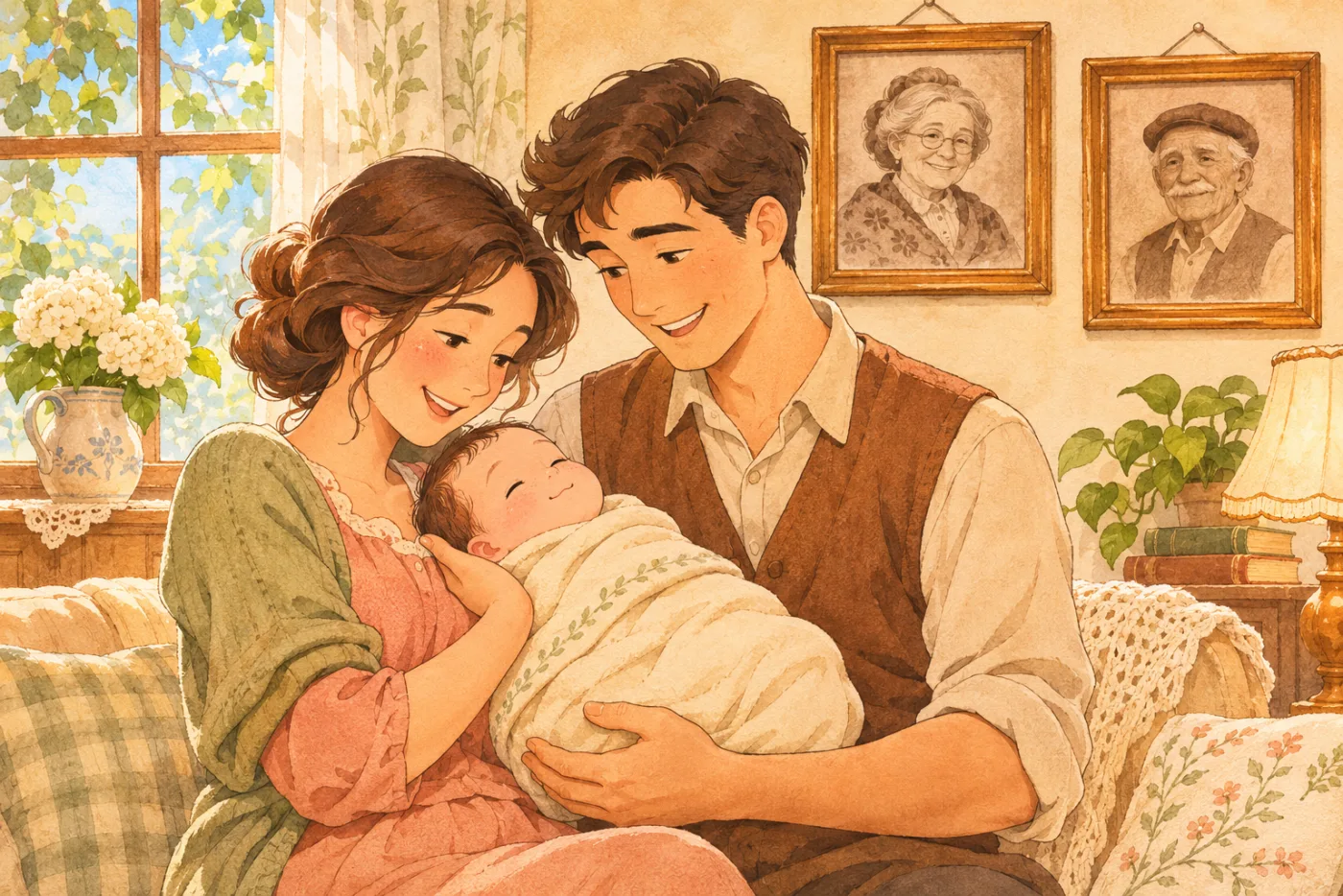
Text to type: Most people in Spain have one first name and two family names. The first family name usually comes from the father. The second family name comes from the mother. So one name shows both sides of the family. The famous painter Pablo Picasso shows this. His two family names were Ruiz and Picasso. Ruiz was his father's family name, and Picasso was his mother's. Later, he used only his mother's name. When women in Spain marry, they do not change their names. They keep the family names from their parents all their lives. Today, parents can choose which family name comes first. But all the children in one family must have the same order. So brothers and sisters always have the same two family names.
Ready. The timer starts with your first key.
Complete
Great job!
Strong finish — your speed stayed steady.
Your rhythm
Speed over time- Time
- 0:00
- Raw speed
- 0 WPM
- Wrong keys
- 0
- Corrected
- 0
Check your understanding
Check: Part 2: Two Family Names
1. Where did the two family names of Pablo Picasso come from?
Sample answer
Ruiz came from his father, and Picasso came from his mother.
Useful language
Useful phrases
- What is your full name?
- when you want to hear all of someone's namesWhat is your full name, with both family names?
- My first family name comes from my dad.
- when you say where your family names are fromMy second family name comes from my mum.
 Part 3: Las Fallas, a Festival of Fire
Reading
Part 3: Las Fallas, a Festival of Fire
Typing practice
Type the text exactly. Timer starts with your first key.
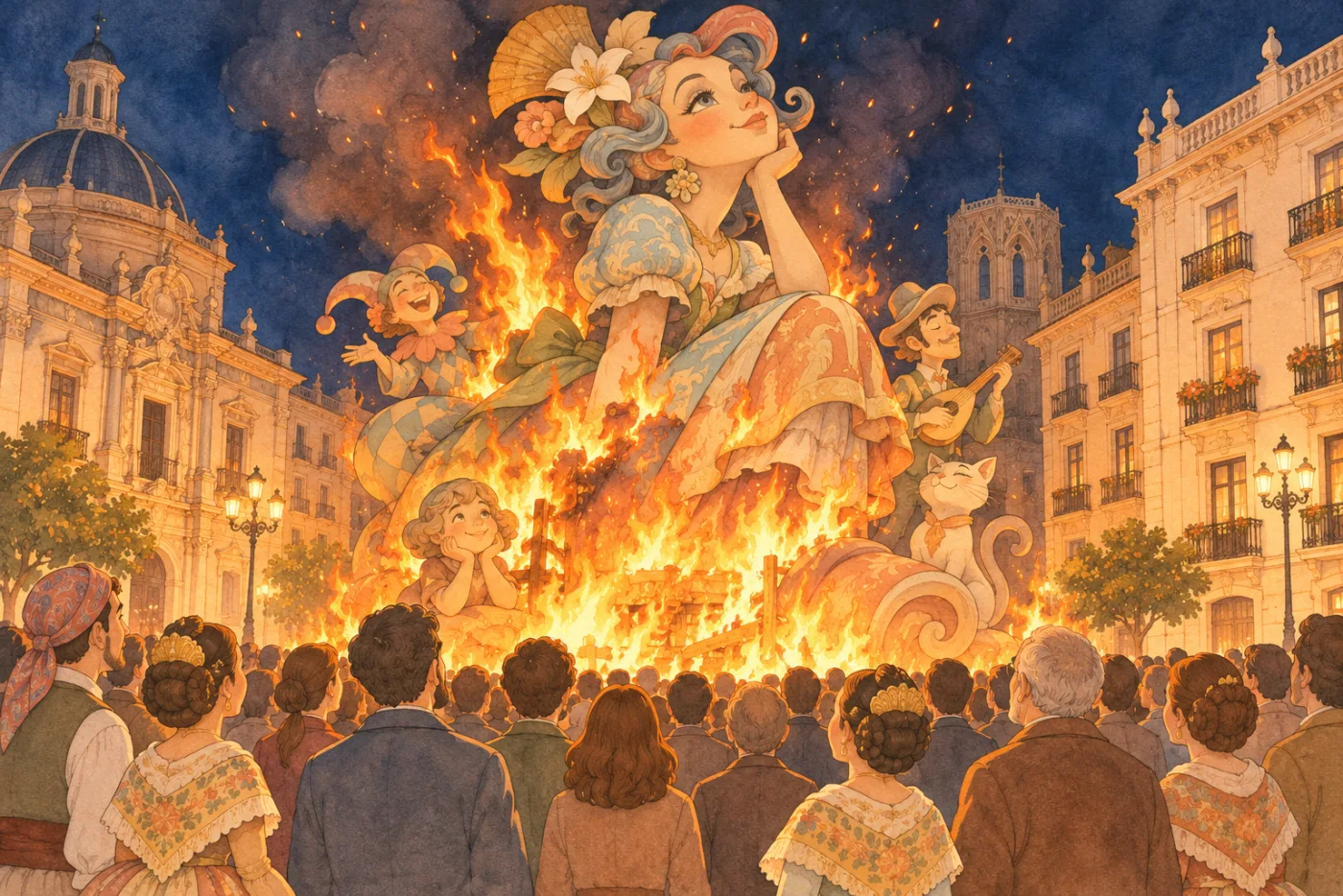
Text to type: Every March, the city of Valencia has a big festival called Las Fallas. Each part of the city makes a falla. A falla is a very big group of many figures. Each figure in a falla is a ninot. Fallas are made of wood and paper, and some are as tall as a building. Many are funny, because they make jokes about famous people and the news. On the night of 19 March, people burn almost all of them. This fire night is called la Cremà. Why burn something so beautiful? The idea comes from carpenters, people who make things from wood. In winter, they used old wood to hold candles, so they could work at night. At the end of winter, the days got longer, so they burned the old wood. They did it on 19 March, the day of Saint Joseph. Saint Joseph also worked with wood, so he was special to them. Every year, visitors vote for their favourite ninot. The winners are saved from the fire and go to a museum.
Ready. The timer starts with your first key.
Complete
Great job!
Strong finish — your speed stayed steady.
Your rhythm
Speed over time- Time
- 0:00
- Raw speed
- 0 WPM
- Wrong keys
- 0
- Corrected
- 0
Check your understanding
Check: Part 3: Las Fallas, a Festival of Fire
1. Why did people in Valencia first burn old wood in March?
Sample answer
The days got longer, so they did not need it to work at night.
Useful language
Useful phrases
- What time does la Cremà start?
- when you ask when something startsWhat time does la Cremà start on 19 March?
- Why do you burn it?
- when you ask the reason for a customIt's so beautiful. Why do you burn it?
 Part 4: The Canary Islands
Reading
Part 4: The Canary Islands
Typing practice
Type the text exactly. Timer starts with your first key.
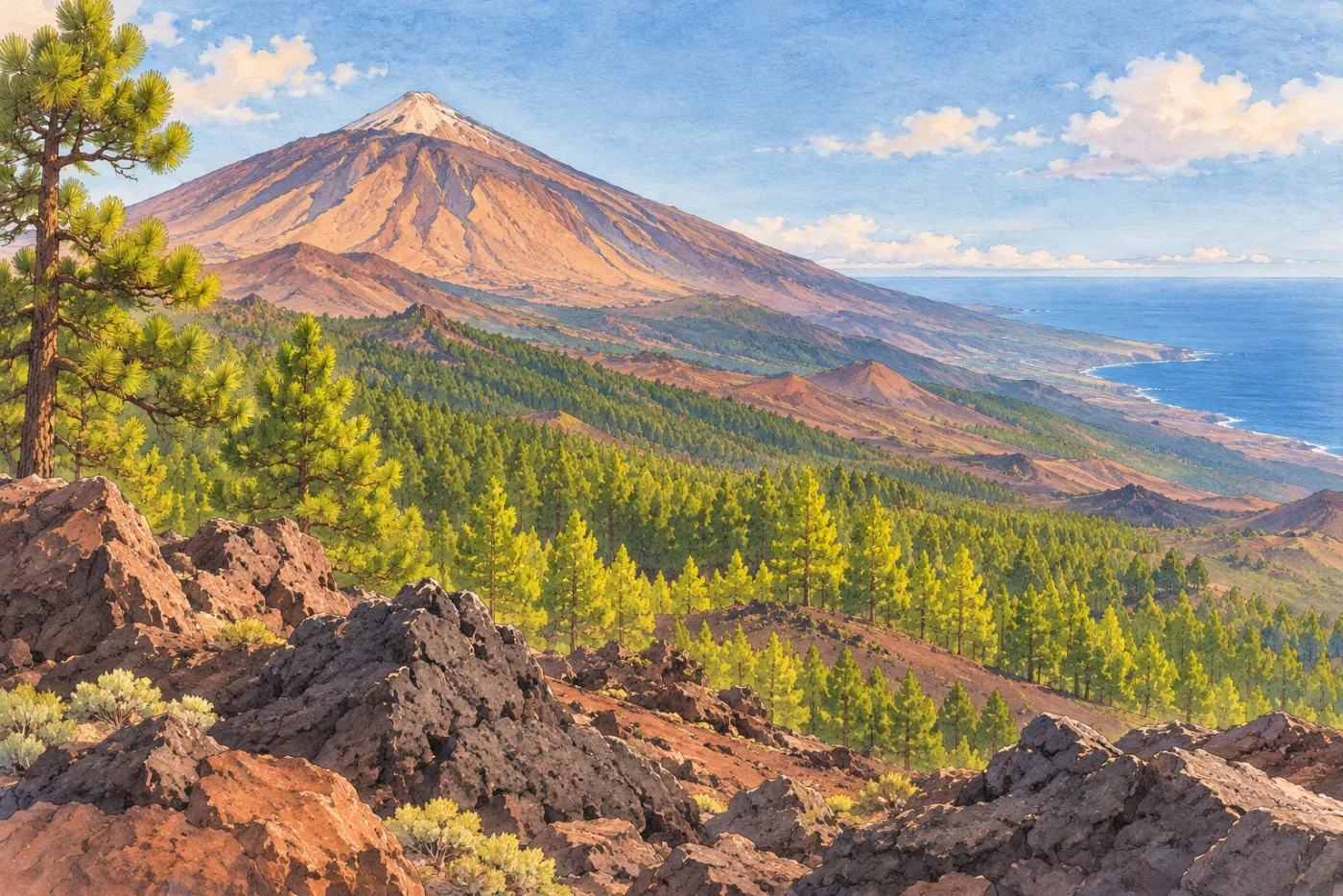
Text to type: The Canary Islands are seven big islands in the Atlantic Ocean. They are part of Spain, but only about 100 kilometres from Africa. The islands were made by volcanoes. The volcano Teide is on Tenerife, the biggest island. It is the highest mountain in Spain. People call them the islands of eternal spring, a spring that never ends. The weather is warm all year, and it does not change much. Winters are warm, because the islands are far south. In summer, the sea is cool and the wind blows on most days. So winter and summer are not very different.
Ready. The timer starts with your first key.
Complete
Great job!
Strong finish — your speed stayed steady.
Your rhythm
Speed over time- Time
- 0:00
- Raw speed
- 0 WPM
- Wrong keys
- 0
- Corrected
- 0
Check your understanding
Check: Part 4: The Canary Islands
1. Why are the Canary Islands called the islands of eternal spring?
Sample answer
The weather is warm all year, and winter and summer are not very different.
 Part 5: The Camino de Santiago
Reading
Part 5: The Camino de Santiago
Typing practice
Type the text exactly. Timer starts with your first key.
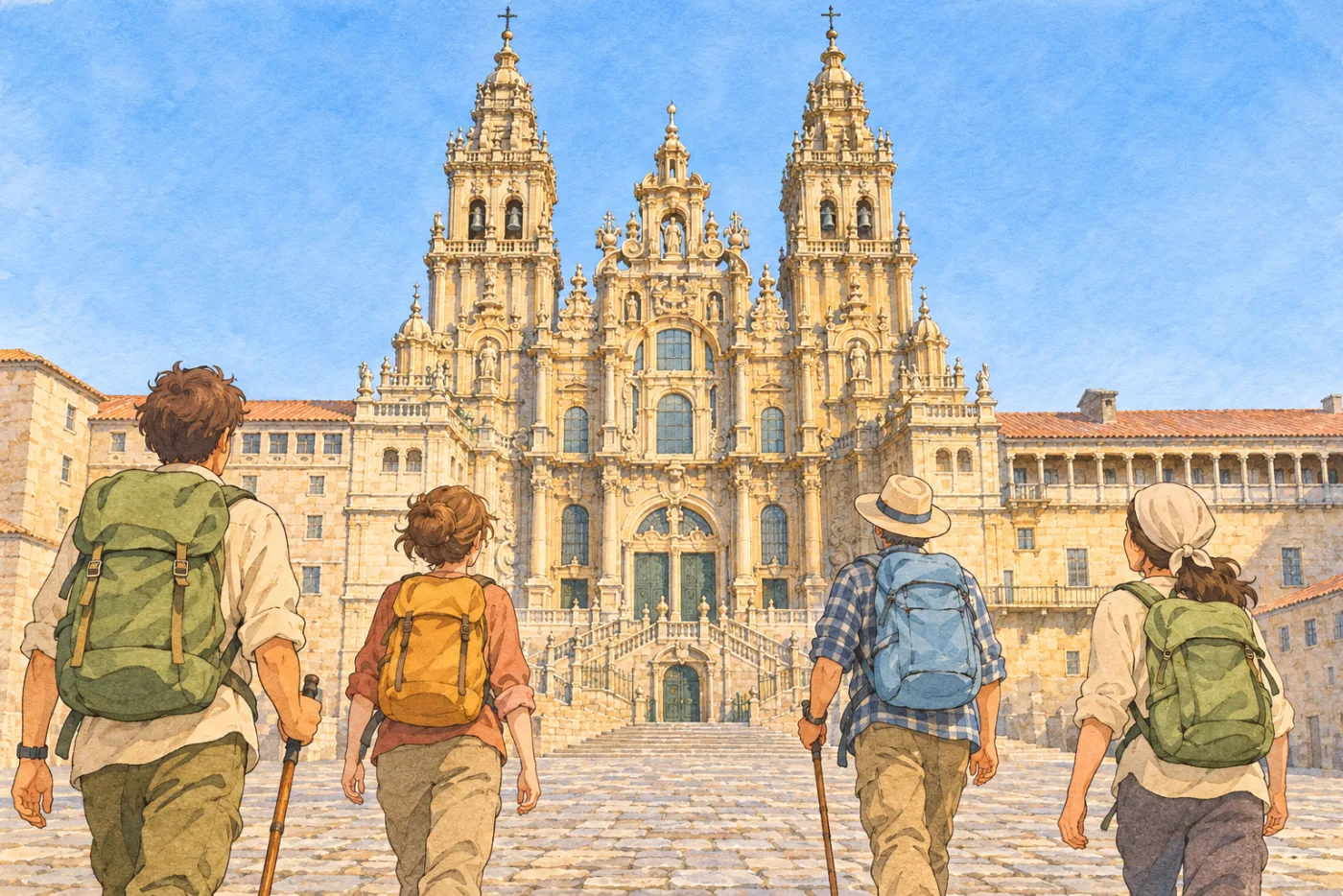
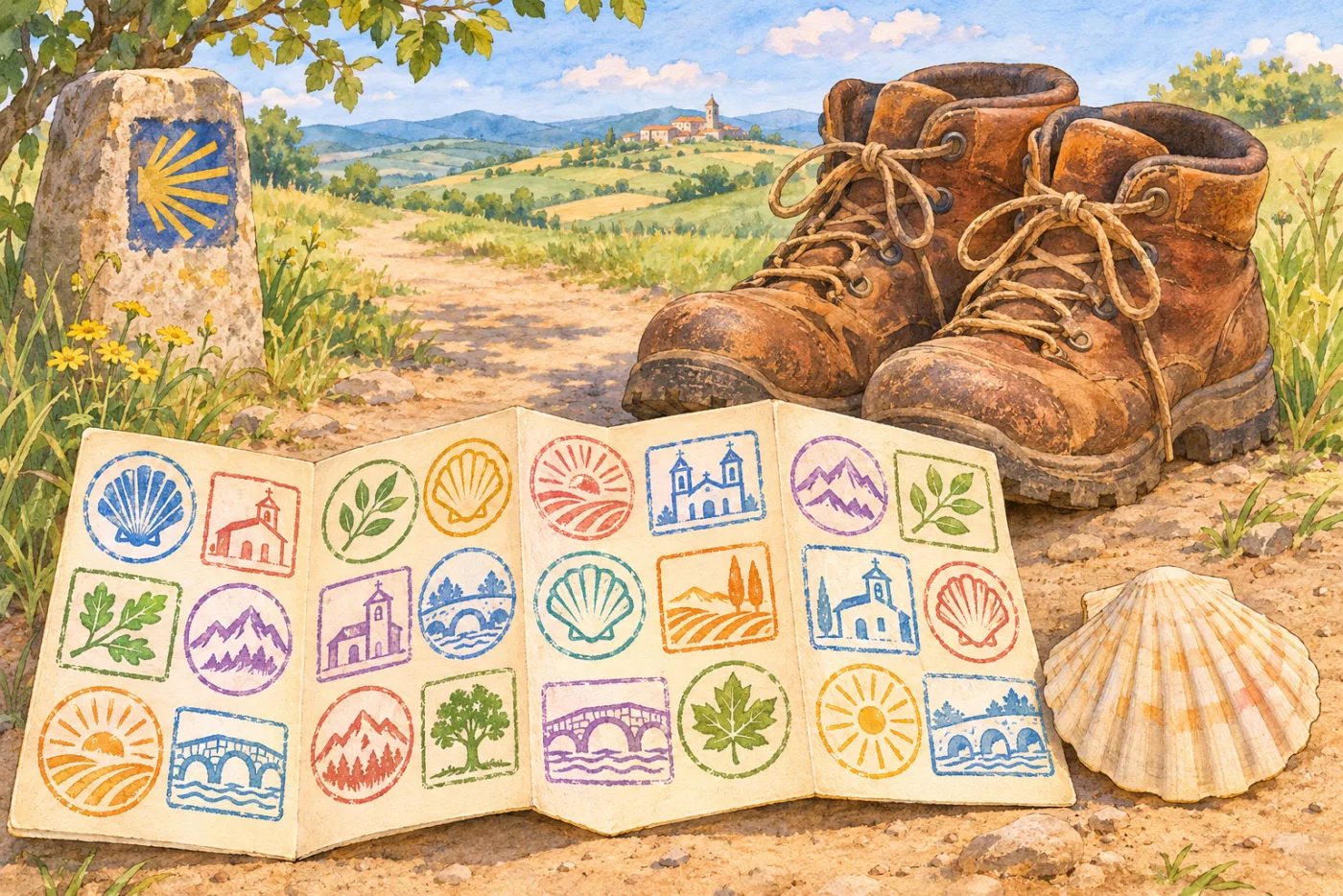
Text to type: Camino de Santiago is Spanish for the Way of Saint James. It is a long walk to the city of Santiago de Compostela. The city is in the north-west of Spain. Saint James was one of the first people to follow Jesus. People believe he is buried in the big church of the city. So for more than a thousand years, pilgrims have walked there. Pilgrims are people who travel to a special church or place. The most popular way starts in France and is about 800 kilometres long. People on the Camino carry a pilgrim passport. In each town where they sleep, they get a stamp in it. The stamps show where they walked. At the end, pilgrims can get the Compostela. It is a special paper with their name on it. To get it, pilgrims must walk at least the last 100 kilometres. On this part, they need at least two stamps every day. That is why many people start in Sarria, just over 100 kilometres from Santiago.
Ready. The timer starts with your first key.
Complete
Great job!
Strong finish — your speed stayed steady.
Your rhythm
Speed over time- Time
- 0:00
- Raw speed
- 0 WPM
- Wrong keys
- 0
- Corrected
- 0
Check your understanding
Check: Part 5: The Camino de Santiago
1. Why do many people start the walk in Sarria?
Sample answer
It is just over 100 kilometres from Santiago, so pilgrims can get the Compostela.
Useful language
Useful phrases
- How much is a bed for one night?
- when you ask what a bed costsHello! How much is a bed for one night?
- Can I have a stamp, please?
- when you want a stamp in your pilgrim passportCan I have a stamp, please? This is my first day.
- How far is it to Santiago?
- when you want to know how far a place isHow far is it to Santiago from here?
Scene
Scene: Sunday Lunch with a Spanish Family
Typing practice
Type the text exactly. Timer starts with your first key.
Text to type: It is a Sunday in March, a few days before Las Fallas. Your friend Lucía invites you to lunch at her family's home in Valencia. In Spain, people often stay at the table after a meal and talk. This time is called the sobremesa. It is Spanish for over the table. Your goal is to say hello and ask about names. Then make a plan for Las Fallas.
Ready. The timer starts with your first key.
Complete
Great job!
Strong finish — your speed stayed steady.
Your rhythm
Speed over time- Time
- 0:00
- Raw speed
- 0 WPM
- Wrong keys
- 0
- Corrected
- 0
Roleplay
Conversation: Sunday Lunch with a Spanish Family
Lucía
Come in! This is my mum, Carmen, and this is my dad, Javier.
You
Hello, nice to meet you.
Carmen
Nice to meet you too! Two kisses, the Spanish way.
You
In Japan, we usually bow. But I like this!
Javier
Welcome to our home. Please sit down.
You
Thank you. Lucía, what is your full name?
Lucía
It's Lucía Martínez García. Martínez comes from my dad, and García comes from my mum.
You
Carmen, did you change your family names when you married?
Carmen
No. Women in Spain keep their names. I am still Carmen García López.
Javier
Lunch is ready. It's Sunday, so we're having paella.
You
Do you eat paella every Sunday?
Carmen
Many Sundays, yes. Here in Valencia, paella is a family lunch. We never eat it at night.
You
Why not at night?
Carmen
Lunch is our big meal of the day. And paella takes a long time to cook. At night, we eat something small and light, so we sleep well.
You
That was delicious. Should I go now?
Lucía
No, stay! Now it's the sobremesa. We sit and talk, often for hours.
You
What are your plans for Las Fallas?
Javier
On 19 March, we go to la Cremà. It's Saint Joseph's day, so it's also Father's Day in Spain.
You
Can I come with you?
Lucía
Of course! Meet us at the City Hall Square at half past nine.
You
Great. See you on the 19th!
Scene
Scene: The Night of Fire in Valencia
Typing practice
Type the text exactly. Timer starts with your first key.
Text to type: It is the night of 19 March. The streets are full of people. A very big falla stands in the City Hall Square. You meet Lucía and Javier there. Your goal is to ask when the fallas burn and why people burn them.
Ready. The timer starts with your first key.
Complete
Great job!
Strong finish — your speed stayed steady.
Your rhythm
Speed over time- Time
- 0:00
- Raw speed
- 0 WPM
- Wrong keys
- 0
- Corrected
- 0
Roleplay
Conversation: The Night of Fire in Valencia
You
Hi, Lucía! Happy Father's Day, Javier!
Javier
Thank you!
You
What time does la Cremà start?
Lucía
It starts with the children's fallas at eight. At ten, the big fallas all over the city burn.
You
And this one?
Lucía
This is the City Hall falla. It burns last, at eleven.
You
Will they burn all the ninots?
Javier
Almost all. Visitors vote for their favourite ninot, and the winners go to the museum.
You
But it's so beautiful. Why do you burn it?
Javier
It's like the carpenters long ago. At the end of winter, we burn the old things.
Lucía
And when the fire ends, this year's Fallas end. Then next year's Fallas begin.
You
So we wait here until eleven?
Lucía
Yes. Then we watch it burn!
Scene
Scene: Starting the Camino in Sarria
Typing practice
Type the text exactly. Timer starts with your first key.
Text to type: In summer, you arrive in Sarria to walk the last part of the Camino. You go to a pilgrim hostel, a cheap place where pilgrims sleep. Manuel works there. Your goal is to get a bed and a pilgrim passport. Then ask about the walk.
Ready. The timer starts with your first key.
Complete
Great job!
Strong finish — your speed stayed steady.
Your rhythm
Speed over time- Time
- 0:00
- Raw speed
- 0 WPM
- Wrong keys
- 0
- Corrected
- 0
Roleplay
Conversation: Starting the Camino in Sarria
You
Hello! Do you have a bed for tonight?
Manuel
Yes, we do. Are you walking to Santiago?
You
Yes, I'm starting tomorrow. How much is a bed for one night?
Manuel
It's 10 euros. Pilgrims can stay here for one night only. Do you have a pilgrim passport?
You
Not yet. Where can I get one?
Manuel
You can buy one here. It's 2 euros.
You
Great. Can I have a stamp, please?
Manuel
Here you are, your first stamp. From here, you need two stamps every day.
You
How far is it to Santiago?
Manuel
About 115 kilometres. People usually walk it in five days.
You
Where do people sleep tomorrow night?
Manuel
Many stop in Portomarín. It's 22 kilometres from here.
You
And what do I do in Santiago?
Manuel
Go to the Pilgrim Office with your pilgrim passport. They give you the Compostela, and it's free.
You
Thank you so much!
Speak
Speaking
What you can do now
Final Reflection
Every hello, festival and place in this lesson has a reason.
Would you be happy to give two kisses to someone new?
Would you like two family names, one from each parent?
Would you like a long sobremesa after Sunday lunch?
Which would you choose: Las Fallas, Teide or the Camino?
What was the most interesting thing you learned today?
Learning cards
My cards
More About Spain, from Two Kisses to the Camino
0 due · 0 new · about 1 min
Learn the sense first · then retrieve it
No saved cards yet
Open a word or phrase in the article and choose Save to My Words.
Focused Reading Mode is open.
Listening
Lesson audio
Listen from the beginning, or choose “Play this part” as you read along.
Reading
Part 1: Two Kisses to Say Hello
Reading
Part 2: Two Family Names
Reading
Part 3: Las Fallas, a Festival of Fire
Reading
Part 4: The Canary Islands
Reading
Part 5: The Camino de Santiago
Finished listening?
Mark this listening practice complete when you have followed the lesson audio.
Listening complete
Listen Mode
Word-by-word syncPlay the audio and follow the highlighted word.
Article complete
Choose your next step
Open the next same-level lesson, replay the article, or save this page for later.
Listen Again
Replay the article once and notice how much more you understand.
One replay is enough. Then move on.
Lesson resources
Resources
Sources and fact review (16)
- The most common mistakes foreigners make when greeting people in Spain (The Local)
two kisses, cheeks touch, men shake hands or hug, handshakes at work, people may feel hurt if you pull back
- Spanish naming customs (Wikipedia)
father's and mother's family names, women keep their names, parents choose the order, same order for all children
- Spain changes administrative guidelines on surname order (American Name Society)
parents now choose which family name comes first
- What is Picasso's full name? (Britannica)
Ruiz from his father, Picasso from his mother, he later used only Picasso
- Falles (Wikipedia)
fallas made of wood and paper, building-sized, jokes about famous people and news, la Cremà on 19 March, carpenters' candle wood burned on Saint Joseph's day, ninots saved by vote and kept in a museum
- La Cremà (Visit Valencia)
children's fallas burn at 8 pm, all big fallas at 10 pm, the City Hall Square falla at 11 pm, 19 March is Saint Joseph's day and Father's Day, the end of one year's Fallas and the start of the next
- Spanish word of the day: sobremesa (The Local)
sobremesa means over the table, time after a meal spent talking with family or friends
- Why paella is eaten for lunch and not dinner in Spain (The Local)
in Valencia paella is cooked at home for the family on Sundays, eaten at lunch and not at night; lunch is the big meal of the day, a rice dish for several people takes time to make, and Spaniards eat something lighter before bed; the talk after the meal can last for hours
- Canary Islands (Wikipedia)
seven main islands, about 100 km from Africa, volcanic islands, Teide the highest mountain in Spain, climate moderated by the sea and the trade winds
- An eternal spring (Hello Canary Islands)
the name islands of eternal spring, mild weather all year
- Camino de Santiago (Wikipedia)
Saint James's tomb in the cathedral, more than a thousand years of pilgrims, French Way from France about 800 km, pilgrim passport and stamps, Sarria
- The pilgrim's credential (Camino de Santiago, Xunta de Galicia)
Compostela needs at least the last 100 km on foot and at least two stamps a day on that part, Sarria as the usual walking start on the French Way
- Note from the Chapter on Credenciales (Pilgrim's Reception Office, Santiago)
the pilgrim credential costs no more than 2 euros
- Pilgrim credentials: everything you need to know (Cicerone)
the Pilgrim Office gives the Compostela for free, credentials can be picked up at albergues on the Camino
- The public network of pilgrim hostels of the Xunta de Galicia (Albergues Camino Santiago)
public pilgrim hostels cost 10 euros a night, one night only
- How the stages of the Camino from Sarria are organised (Santiago Ways)
about 115 km from Sarria to Santiago in five stages, first stage Sarria to Portomarín 22 km