From Chinese Roots to Modern Ramen
Quality checked lesson
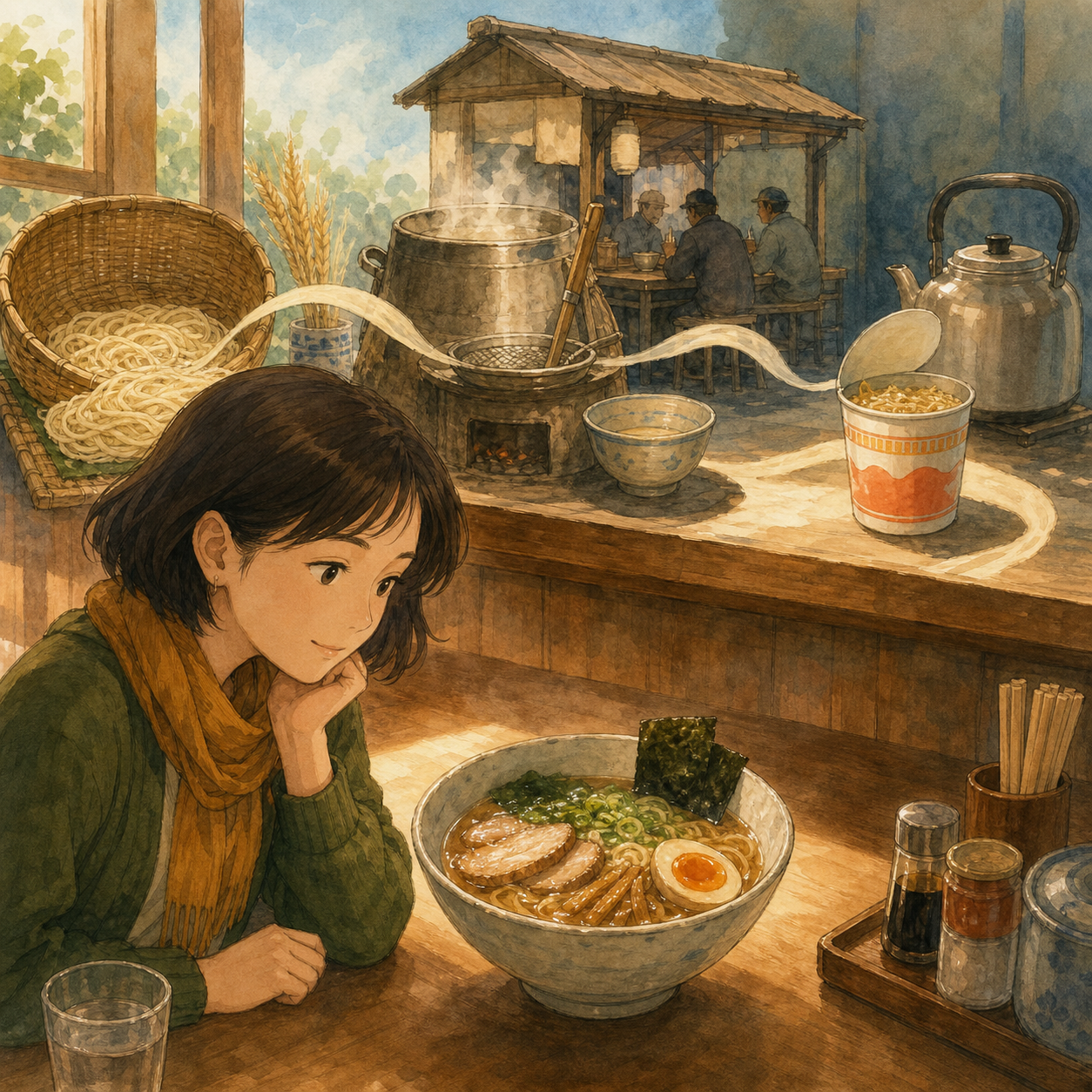
Ramen grew from Chinese roots into many Japanese restaurant styles. Regional bowls and instant noodles later changed when, where, and how people could enjoy it.
 English lesson
Article
Choose how to use this lesson
You can switch anytime.
Study mode
Introduction
Typing practice
Type the text exactly. Timer starts with your first key.
Text to type: Ramen grew from Chinese roots into many Japanese restaurant styles. Regional bowls and instant noodles later changed when, where, and how people could enjoy it.
Ready. The timer starts with your first key.
Complete
Great job!
Strong finish — your speed stayed steady.
Your rhythm
Speed over time- Time
- 0:00
- Raw speed
- 0 WPM
- Wrong keys
- 0
- Corrected
- 0
 Part 1: A Dish That Crossed Borders
Reading
Part 1: A Dish That Crossed Borders
Typing practice
Type the text exactly. Timer starts with your first key.
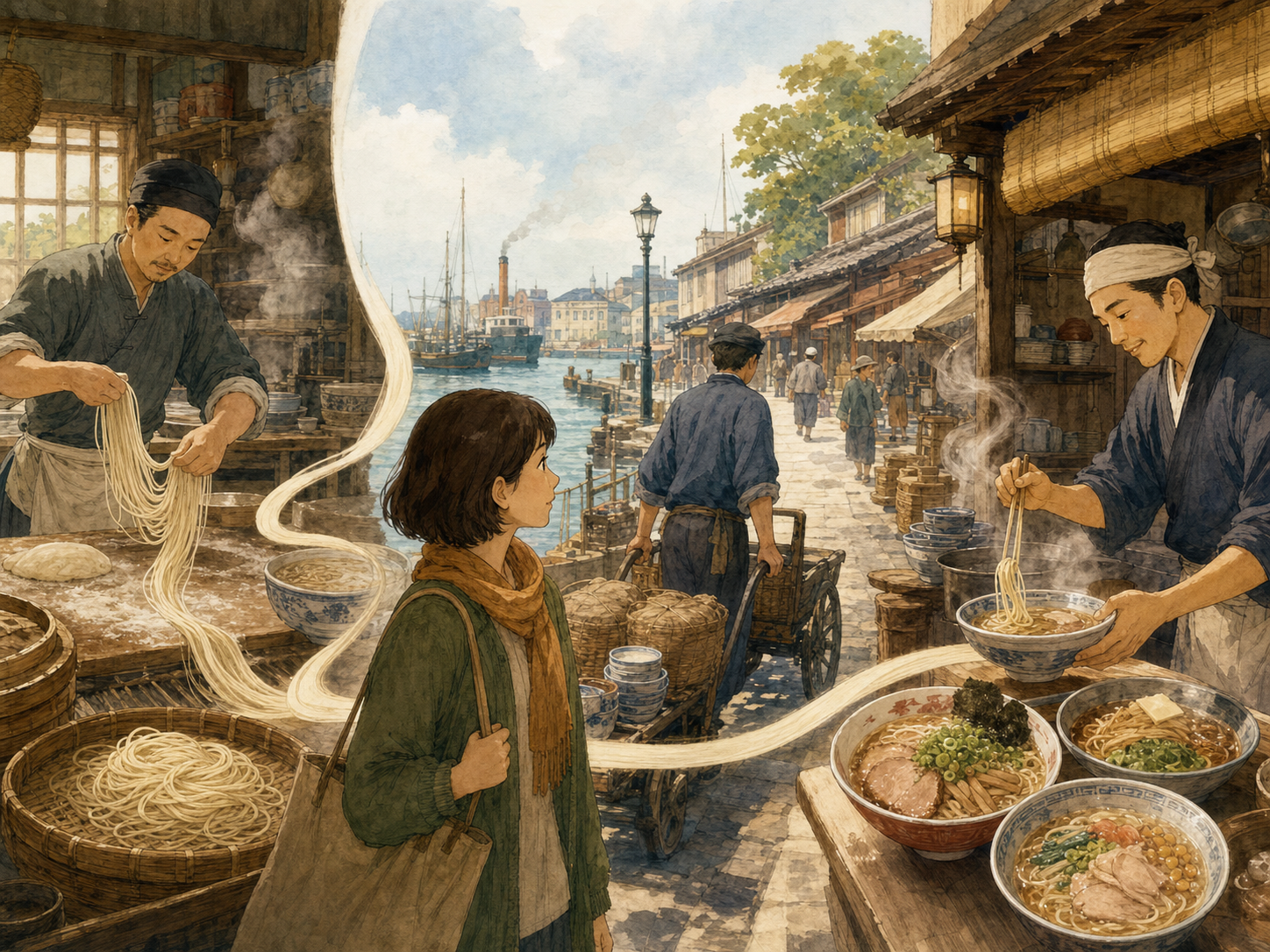
Text to type: Ramen has Chinese roots, but historians still debate exactly how it entered Japan. We should not imagine one simple arrival story. We do know that a Chinese restaurant in Asakusa was serving an early form of the dish by 1910. In Japan, cooks gradually adapted the soup, noodles, and toppings. The wheat noodles often contain kansui, which helps give them a firm, bouncy texture. We can understand this history through three ideas: source, change, and result. The source was Chinese noodle cooking. The change happened as Japanese cooks developed the dish. The result was ramen with many local and restaurant styles.
Ready. The timer starts with your first key.
Complete
Great job!
Strong finish — your speed stayed steady.
Your rhythm
Speed over time- Time
- 0:00
- Raw speed
- 0 WPM
- Wrong keys
- 0
- Corrected
- 0
Check your understanding
Check: Part 1: A Dish That Crossed Borders
1. What three ideas can help us understand ramen’s history?
Sample answer
The three ideas are source, change, and result.
Think one step further
When food travels, which matters more: keeping its original style or adapting it to a new place? Why?
Reading
Part 2: Ramen After the War
Typing practice
Type the text exactly. Timer starts with your first key.
Text to type: Ramen became much more common after the Second World War. In 1945, people sold it in postwar black markets. Around 1950, more flour was available, and people returning to Japan also helped ramen shops and varieties expand. Ramen suited a changing society because a shop could prepare a filling bowl and serve it quickly. At the same time, different cooks could make different stocks, seasonings, noodles, and toppings. This helped ramen grow without becoming one fixed recipe. Using our framework, postwar life was an important source of change. The result was more shops and more opportunities for local styles to develop.
Ready. The timer starts with your first key.
Complete
Great job!
Strong finish — your speed stayed steady.
Your rhythm
Speed over time- Time
- 0:00
- Raw speed
- 0 WPM
- Wrong keys
- 0
- Corrected
- 0
Check your understanding
Check: Part 2: Ramen After the War
1. Why did ramen become more varied as it expanded after the war?
Sample answer
It became more varied because different shops could combine stocks, seasonings, noodles, and toppings in different ways.
Reading
Part 3: Shoyu and Shio—Simple Names, Many Bowls
Typing practice
Type the text exactly. Timer starts with your first key.
Text to type: Four broad ramen families became especially well known: shoyu, shio, miso, and tonkotsu. These names do not describe every ingredient. A stock may use chicken, pork bones, seafood, or a mixture. The cook then adds a main seasoning. Shoyu ramen uses soy sauce as its main seasoning, while shio ramen uses salt. However, two shoyu bowls can taste very different because their stocks, noodles, and toppings may differ. This balance helps explain the wide appeal of these families. Customers can recognize the main style, but cooks still have room to create. The name gives a clear identity, while the full bowl offers variety.
Ready. The timer starts with your first key.
Complete
Great job!
Strong finish — your speed stayed steady.
Your rhythm
Speed over time- Time
- 0:00
- Raw speed
- 0 WPM
- Wrong keys
- 0
- Corrected
- 0
Check your understanding
Check: Part 3: Shoyu and Shio—Simple Names, Many Bowls
1. Why can two bowls of shoyu ramen taste different?
Sample answer
They can taste different because their stocks, noodles, toppings, and other details may not be the same.
Think one step further
Do you prefer food with a familiar style or food that surprises you? Why?
 Part 4: Miso Ramen and a Memorable Combination
Reading
Part 4: Miso Ramen and a Memorable Combination
Typing practice
Type the text exactly. Timer starts with your first key.
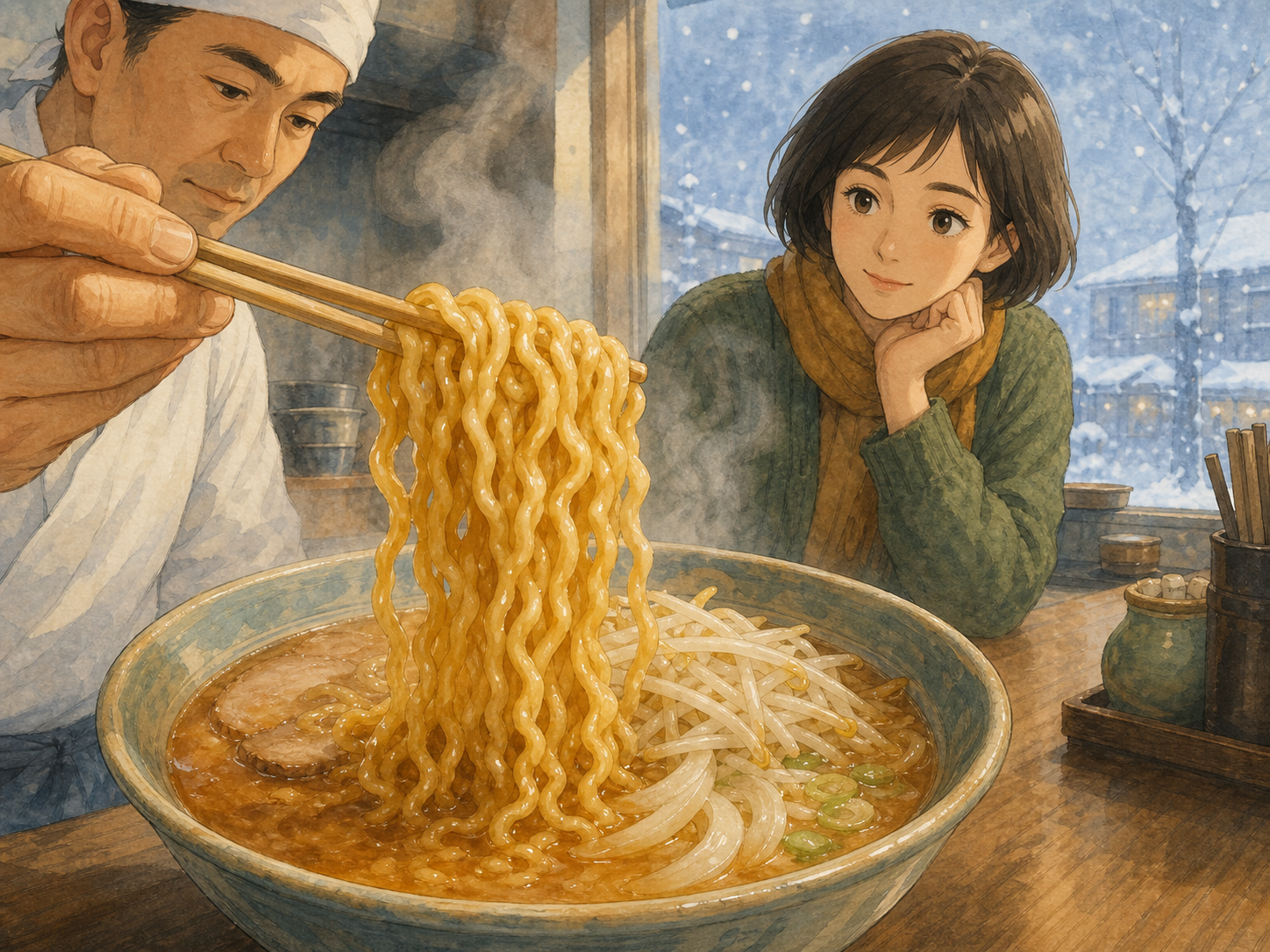
Text to type: Sapporo is strongly connected with miso ramen, which developed there in the 1950s. Its success was not only about adding miso to soup. The different parts of the bowl were designed to work together. Classic Sapporo miso ramen uses medium-thick, elastic, crinkled noodles. Their shape helps them hold the miso broth. Vegetables such as bean sprouts and onion are also common. The rich seasoning, noodle texture, and vegetables create a memorable combination. This shows why a flavour family can become widely loved: people experience a complete bowl, not only one seasoning. Here, the source is a local style, the change is careful design, and the result is a strong regional identity.
Ready. The timer starts with your first key.
Complete
Great job!
Strong finish — your speed stayed steady.
Your rhythm
Speed over time- Time
- 0:00
- Raw speed
- 0 WPM
- Wrong keys
- 0
- Corrected
- 0
Check your understanding
Check: Part 4: Miso Ramen and a Memorable Combination
1. How do the noodles support the broth in Sapporo miso ramen?
Sample answer
Their medium-thick, elastic, crinkled shape helps them hold the miso broth.
Reading
Part 5: Tonkotsu from Kurume to Hakata
Typing practice
Type the text exactly. Timer starts with your first key.
Text to type: Tonkotsu ramen is built around pork-bone broth. In 1947, cloudy tonkotsu broth was served in Kurume, in Fukuoka Prefecture. This became an important influence on later ramen across Kyushu. Hakata ramen is another famous Kyushu example. It usually has cloudy pork-bone broth and simple toppings. Customers can also order kaedama, an extra serving of noodles for the remaining soup. This gives diners some control over the meal. Tonkotsu became memorable because its broth gave it a clear identity, while shop practices such as noodle refills made the experience distinctive. Again, one regional change produced results that travelled beyond its original city.
Ready. The timer starts with your first key.
Complete
Great job!
Strong finish — your speed stayed steady.
Your rhythm
Speed over time- Time
- 0:00
- Raw speed
- 0 WPM
- Wrong keys
- 0
- Corrected
- 0
Check your understanding
Check: Part 5: Tonkotsu from Kurume to Hakata
1. How are Kurume and Hakata connected to tonkotsu ramen?
Sample answer
Kurume’s cloudy pork-bone broth influenced later Kyushu ramen, and Hakata became known for tonkotsu ramen with simple toppings and noodle refills.
Reading
Part 6: Shops, Regions, and New Styles
Typing practice
Type the text exactly. Timer starts with your first key.
Text to type: Ramen kept changing as it spread. Each restaurant could choose its stock, seasoning, noodle thickness, toppings, and local ingredients. These choices helped create today’s regional and shop-level variety. Cooks also made mixed broths, tsukemen with separate dipping soup, and soupless styles. Ramen received wider attention overseas. Restaurant ramen therefore changed in two directions. Some cooks protected a local identity, while others combined ideas and created something new. In Japan, a bowl connected with a particular city can feel different from a convenient bowl near a station or workplace, even when both belong to the same broad flavour family.
Ready. The timer starts with your first key.
Complete
Great job!
Strong finish — your speed stayed steady.
Your rhythm
Speed over time- Time
- 0:00
- Raw speed
- 0 WPM
- Wrong keys
- 0
- Corrected
- 0
Check your understanding
Check: Part 6: Shops, Regions, and New Styles
1. In what two directions did restaurant ramen develop?
Sample answer
It developed through strong local identities and through new combinations and styles.
Think one step further
Do you think a regional dish should stay close to tradition, or should cooks freely change it? Why?
 Part 7: Instant Noodles Change Time and Place
Reading
Part 7: Instant Noodles Change Time and Place
Typing practice
Type the text exactly. Timer starts with your first key.
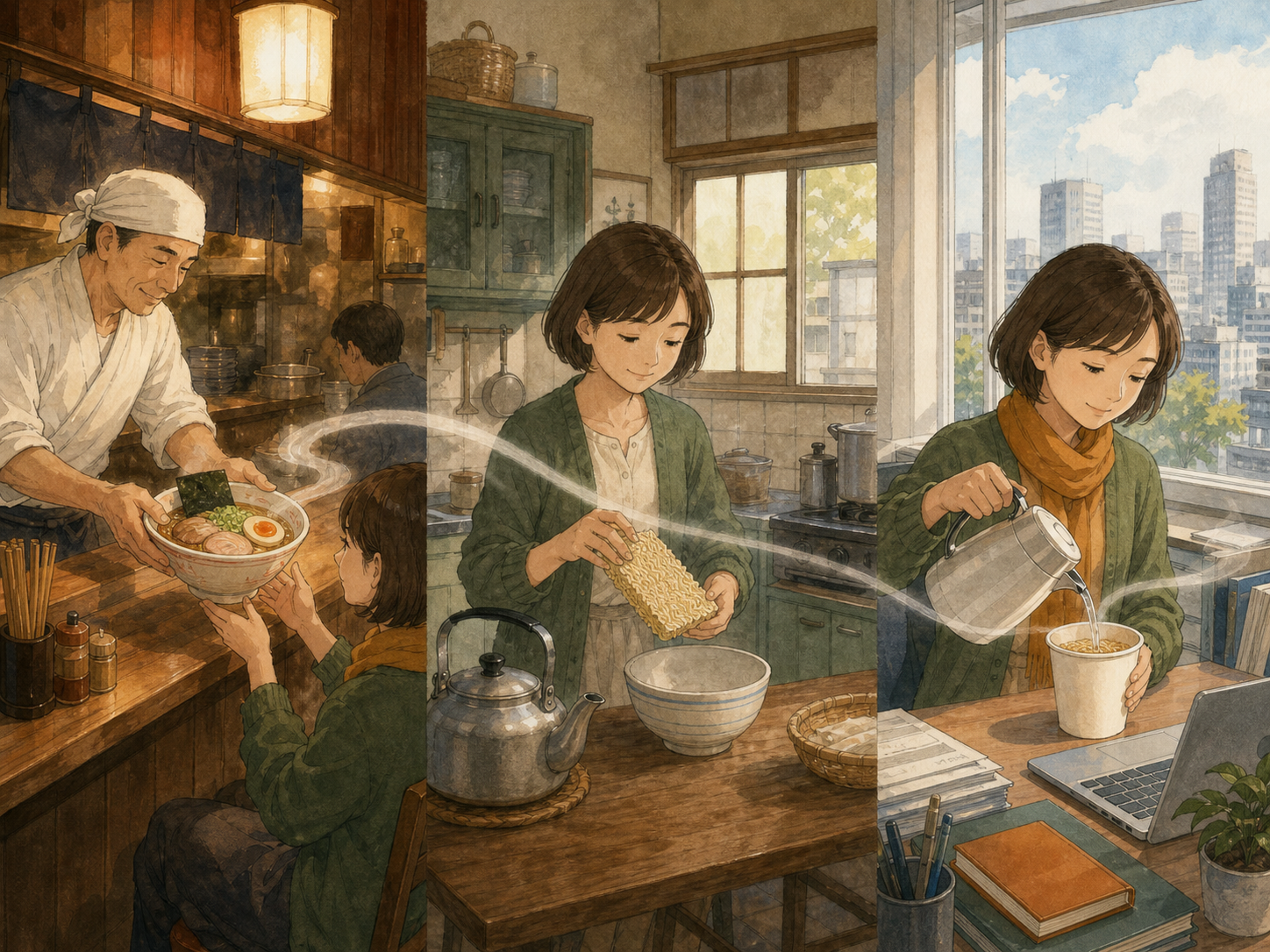
Text to type: Restaurant ramen depends on a cook, a kitchen, and a bowl served soon after preparation. Instant noodles changed this relationship. In 1958, Momofuku Ando invented Chicken Ramen, which Nissin describes as the world’s first instant noodles. In 1971, he developed Cup Noodles, described by Nissin as the first cup-type instant noodles. These products made noodles much easier to store, prepare, and distribute. Ramen-style food could now be eaten at home, at work, or in other places without a ramen shop. Instant noodles did not replace regional restaurant bowls. Instead, they created another path: less individual shop design, but much greater convenience and reach. The result was a food connected both with local craft and everyday speed.
Ready. The timer starts with your first key.
Complete
Great job!
Strong finish — your speed stayed steady.
Your rhythm
Speed over time- Time
- 0:00
- Raw speed
- 0 WPM
- Wrong keys
- 0
- Corrected
- 0
Check your understanding
Check: Part 7: Instant Noodles Change Time and Place
1. What major change did instant noodles bring?
Sample answer
They made ramen-style noodles easier to store, prepare, distribute, and eat outside restaurants.
What you can do now
Final Reflection
Which matters most: ramen’s Chinese roots, regional restaurant styles, or instant noodles? Why?
Learning cards
My cards
From Chinese Roots to Modern Ramen
0 due · 0 new · about 1 min
Learn the sense first · then retrieve it
No saved cards yet
Open a word or phrase in the article and choose Save to My Words.
Focused Reading Mode is open.
Listening
Lesson audio
Listen from the beginning, or choose “Play this part” as you read along.
Reading
Part 1: A Dish That Crossed Borders
Reading
Part 2: Ramen After the War
Reading
Part 3: Shoyu and Shio—Simple Names, Many Bowls
Reading
Part 4: Miso Ramen and a Memorable Combination
Reading
Part 5: Tonkotsu from Kurume to Hakata
Reading
Part 6: Shops, Regions, and New Styles
Reading
Part 7: Instant Noodles Change Time and Place
Finished listening?
Mark this listening practice complete when you have followed the lesson audio.
Listening complete
Listen Mode
Word-by-word syncPlay the audio and follow the highlighted word.
Article complete
Choose your next step
Open the next same-level lesson, replay the article, or save this page for later.
Listen Again
Replay the article once and notice how much more you understand.
One replay is enough. Then move on.