B1: Kofu and Yamanashi Modern Cafe Culture
Quality checked lesson
Study Kofu and Yamanashi Modern Cafe Culture in a clear English.
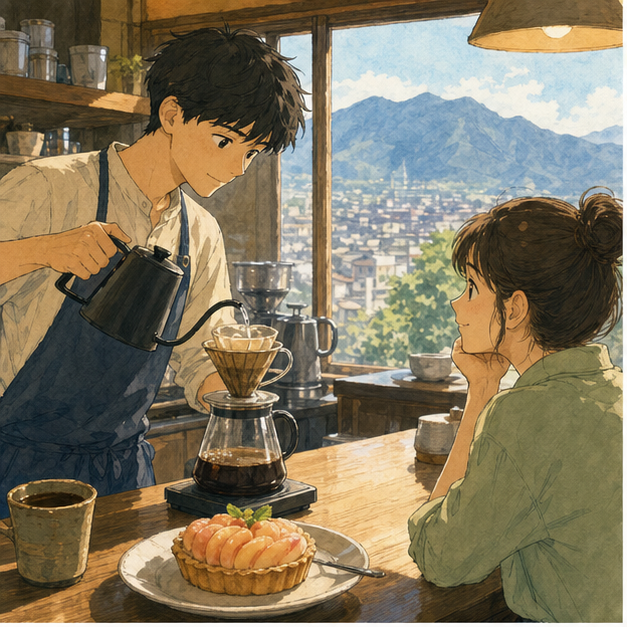
Scene Gallery
Key Scenes
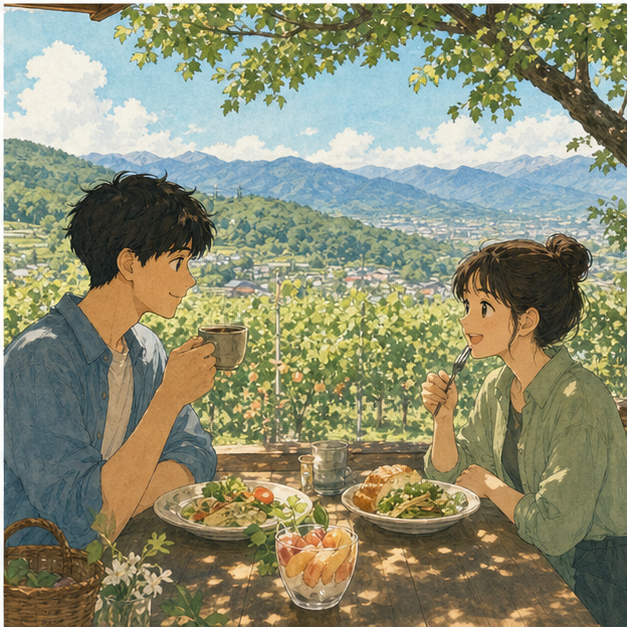
Transcript
Choose how to use this lesson
You can switch anytime.
Today's path
One clear way through the lesson
Start with Read core, then move forward when you feel ready.
- 1 Read core
- 2 Check understanding
- 3 Go deeper
Current mode
Study mode: full transcript with word help and inline checks.
Study Layout
Experience
Read-along works with this web player.
Introduction
to In a can you a but they Why is that? Part of the is the The Basin has and is the a as In this you will and an to that As you this: if you an what would you If you and
The Explanation
a the of Outside, the but the It is and a The is There is no and no A the The but it You can that is
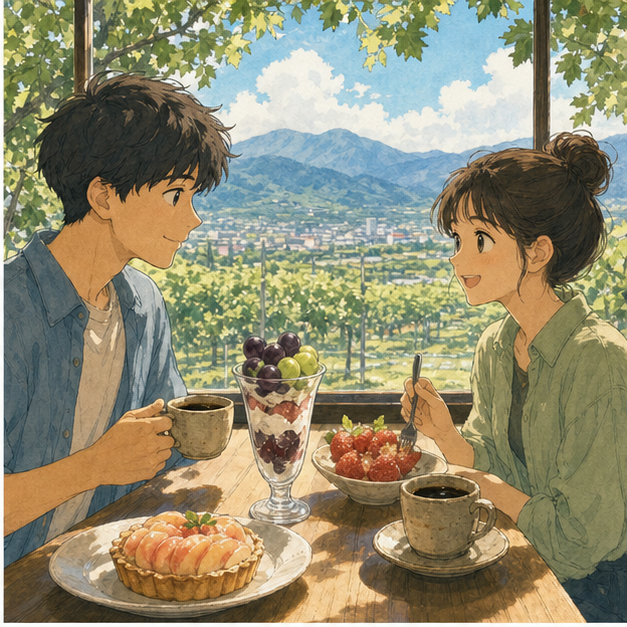
This kind of old Japanese house is called a kominka.
This kind of old Japanese house is called a kominka.
This of Japanese is a A is a with and In Japanese these and them in or That in the is not It when they The the of
Check your understanding
Read the sentence again. What is a traditional old Japanese house called?
You can start like this: It is called
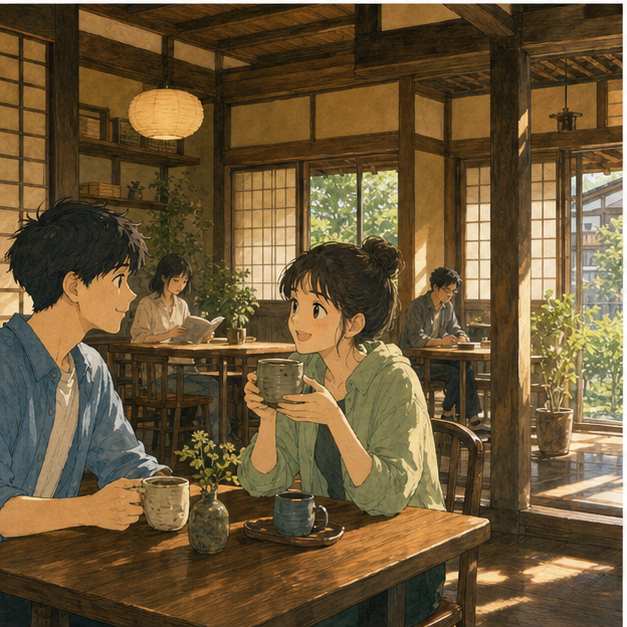
Next, the visitor steps inside and hears the floor give a soft sound under their shoes.
Next, the visitor steps inside and hears the floor give a soft sound under their shoes.
the and the a their The and Sunlight the in a the The is not There are a and For a the and Have you a and This that of
Check your understanding
After stepping inside the old house cafe, what sounds and smells does the visitor notice?
You can start like this: The visitor notices
Then the the The that and with The are by a in A is a or that to their The has This is where the is Japan for and so the with the
Check your understanding
What local fruit is Yamanashi famous for, and how do the sweets change?
You can start like this: It is...
Seasonal is it the In the with on In it or a with The that the is not to Instead, it this is what the is That the
The that for this a but the where they are. The an and a When the there is a The is and the is the The it and The is and of It a and a on a
that the the There is a with A on the The the the and That is to in the The does not It and So the is in the and in the In the is not in It
Check your understanding
Why does the owner say mountain water makes the coffee taste better?
You can start like this: Because...
The as as the The and A can be but it the in This does not. the has of the are a and the The and the a of a these the to
Then the why so in in The do not and They a that to the An can its That is a but a In and can The a for of them.
Think about it
Why do many people in Kofu like cafes in old houses?
You can start like this: Because...
This in a When a or in the Farmers, and if no them a They for but they with a of the What do you is that is for or a there?
Check your understanding
How does buying local fruit and local products help the area?
You can start like this: It helps because it
By the of the the is to Not it is or but The The and The and the So in can a in why a the be It when the the and the with the
Check your understanding
What can one quiet cafe in Kofu explain about life in Yamanashi?
You can start like this: It can explain
Key Takeaways
So, what a It is the of and in A the of and the In a can a to a You do not a or a Sometimes and are If you this, Thanks for with me, and your
Go deeper
Practice
Check your understanding
What is a kominka?
Check your understanding
Why do local peaches and grapes make the cafe feel more special?
Check your understanding
What does the mountain water do for the coffee?
Check your understanding
In one short summary, what makes the cafe memorable?
Check your understanding
Would you like to visit a cafe like this? Why or why not?
More discussion
Open question 1 · opinion
What would you notice first in an old-house cafe: the wood, the light.
Follow up: Use one detail from the lesson, then add your own opinion.
Open question 2 · personal_experience
Have you visited a cafe that felt connected to its town or region?
Follow up: Think about food, design, people, music, or the view.
Open question 3 · analysis
How do old buildings and modern coffee work together in this lesson?
Follow up: Explain one thing the old building gives and one thing the coffee.
Open question 4 · analysis
Why does local fruit help a cafe tell a story about Yamanashi?
Follow up: Use peaches, grapes, seasons, or nearby farms in your answer.
Lesson summary
Study Kofu and Yamanashi Modern Cafe Culture in a clear English news lesson.
Simple Meaning
Word
This word has no saved lesson sentence yet.
Simple Meaning
Preparing word help...
In this sentence
No context meaning available yet.
Simple version
Example sentence
Language assist
Loading assist...
Extra language help is not ready for this word yet.
Question
Lesson vocabulary
Vocabulary
Save words from this lesson, then use flashcards and quiz here.
Practice your saved words. We'll bring back the ones you need to review.
Flashcards
No saved words yet
Tap words in the transcript to start your lesson vocabulary.
Listen Again
You listened, read, and studied the lesson. Now listen one more time and notice how much more you understand.
Re-listening after studying helps you remember new words better.
Quick feedback
If something felt confusing, broken, or especially helpful, send one short note before you move on.