Australian Culture: What Stands Out and Why
Quality checked lesson
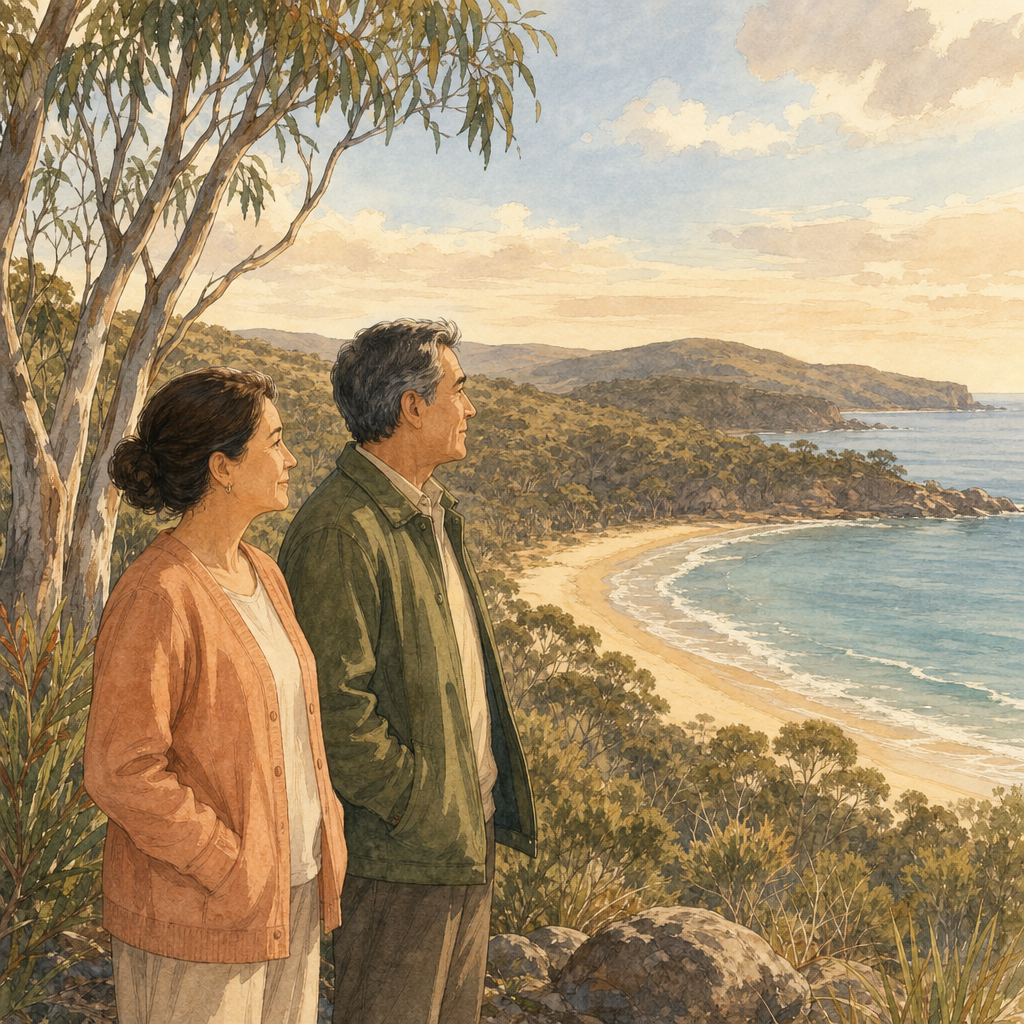
Visitors often notice outdoor life, plain talk, and shared national days. Those first pictures sit on older foundations: First Nations Country, convict and settler history, distance, immigration, and mateship.
 English lesson
Article
Choose how to use this lesson
You can switch anytime.
Study mode
Introduction
Typing practice
Type the text exactly. Timer starts with your first key.
Text to type: Visitors often notice outdoor life, plain talk, and shared national days. Those first pictures sit on older foundations: First Nations Country, convict and settler history, distance, immigration, and mateship.
Ready. The timer starts with your first key.
Complete
Great job!
Strong finish — your speed stayed steady.
Your rhythm
Speed over time- Time
- 0:00
- Raw speed
- 0 WPM
- Wrong keys
- 0
- Corrected
- 0
Before you begin
Warm-up
What picture comes to mind first when you hear the word Australia?
Have you ever met anyone who lived in or visited Australia?
Do you prefer formal talk or free talk with strangers in a shop?
 Part 1: First Nations continuity and Country
Reading
Part 1: First Nations continuity and Country
Typing practice
Type the text exactly. Timer starts with your first key.
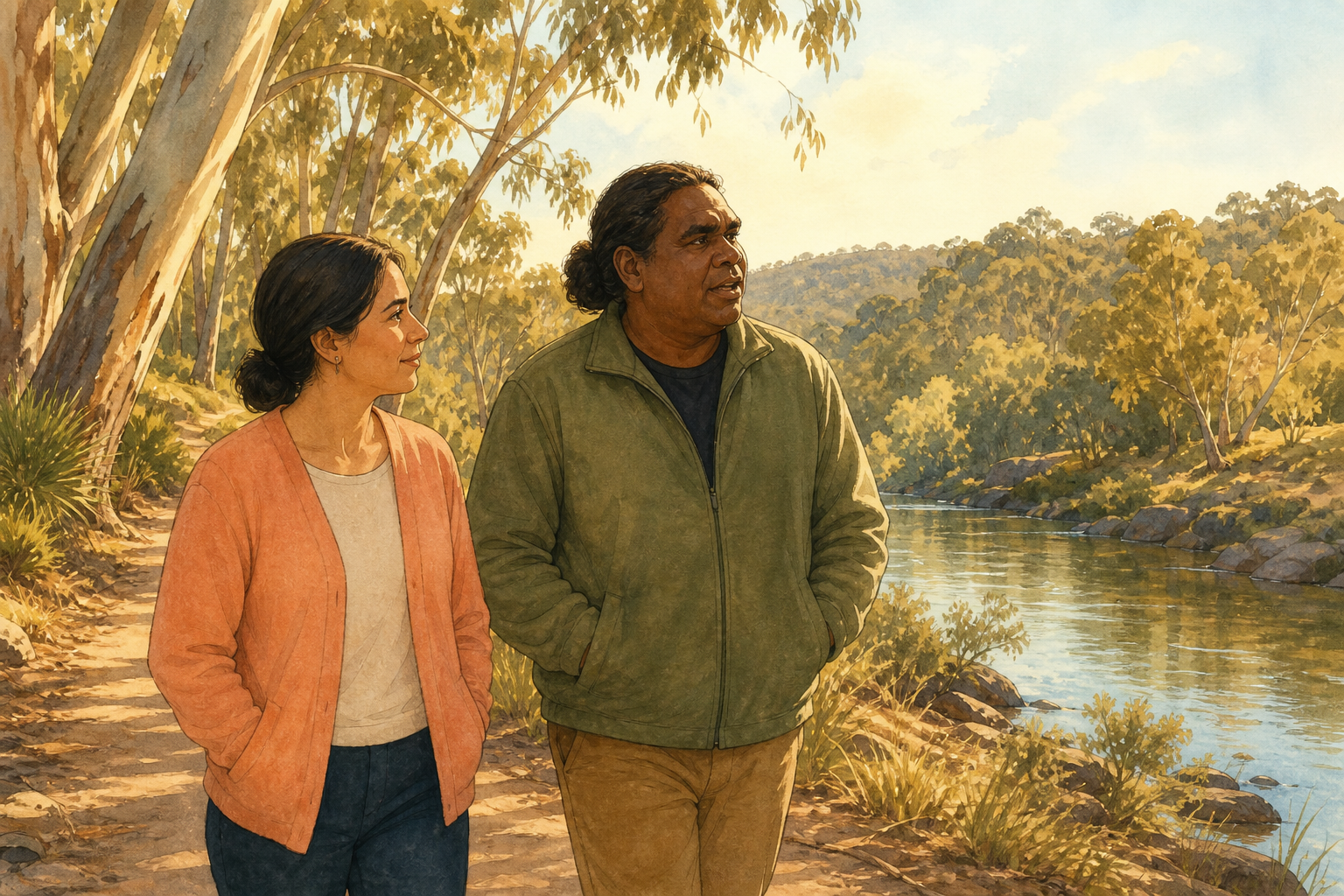
Text to type: Australian culture begins with Aboriginal and Torres Strait Islander peoples, also called First Nations peoples. Their cultures are among the oldest continuing cultures on Earth. People have lived on this land for tens of thousands of years, long before British ships arrived. One key word is Country. In the First Nations sense, Country is a living relationship with land, water, and the wider living world. It is not only a place on a map. Welcome to Country and Acknowledgement of Country ceremonies show that this idea still shapes public life in cities such as Sydney and Melbourne. Torres Strait Islander peoples also keep strong sea and island links across the Torres Strait, north of Queensland.
Ready. The timer starts with your first key.
Complete
Great job!
Strong finish — your speed stayed steady.
Your rhythm
Speed over time- Time
- 0:00
- Raw speed
- 0 WPM
- Wrong keys
- 0
- Corrected
- 0
Check your understanding
Check: Part 1: First Nations continuity and Country
1. What does Country mean in the First Nations sense?
Sample answer
Country means a living relationship with land, water, and the wider living world, not only a place on a map.
Think one step further
Do you know any old traditions in your own region that people still practise today?
What do you think of when you hear Country as a living relationship, not only a map place?
Why do you think First Nations continuity still matters in Australian culture today?
Reading
Part 2: Convicts, settlers, and the fair go
Typing practice
Type the text exactly. Timer starts with your first key.
Text to type: In 1788 the First Fleet arrived in Sydney, New South Wales. Eleven British ships brought convicts, officers, and supplies, and British colonisation and settler society grew from that landing. Convict transportation and later free settlement changed land, law, and daily life across the continent. From that history came strong talk about fairness. The fair go means people should get a fair chance. Next to it sits tall poppy syndrome: the habit of cutting down someone who seems too proud or above others. Together, these ideas push talk toward equal treatment, first names, and less ceremony than many visitors expect.
Ready. The timer starts with your first key.
Complete
Great job!
Strong finish — your speed stayed steady.
Your rhythm
Speed over time- Time
- 0:00
- Raw speed
- 0 WPM
- Wrong keys
- 0
- Corrected
- 0
Check your understanding
Check: Part 2: Convicts, settlers, and the fair go
1. What is the fair go, and what is tall poppy syndrome?
Sample answer
The fair go is the idea that people should get a fair chance, and tall poppy syndrome is the habit of cutting down people who seem too proud or above others.
Think one step further
Do you have a similar idea to the fair go in your country?
What do you think about tall poppy syndrome?
Why do you think fairness talk stayed strong after convict and settler history?
 Part 3: Distance, the bush, and life outdoors
Reading
Part 3: Distance, the bush, and life outdoors
Typing practice
Type the text exactly. Timer starts with your first key.
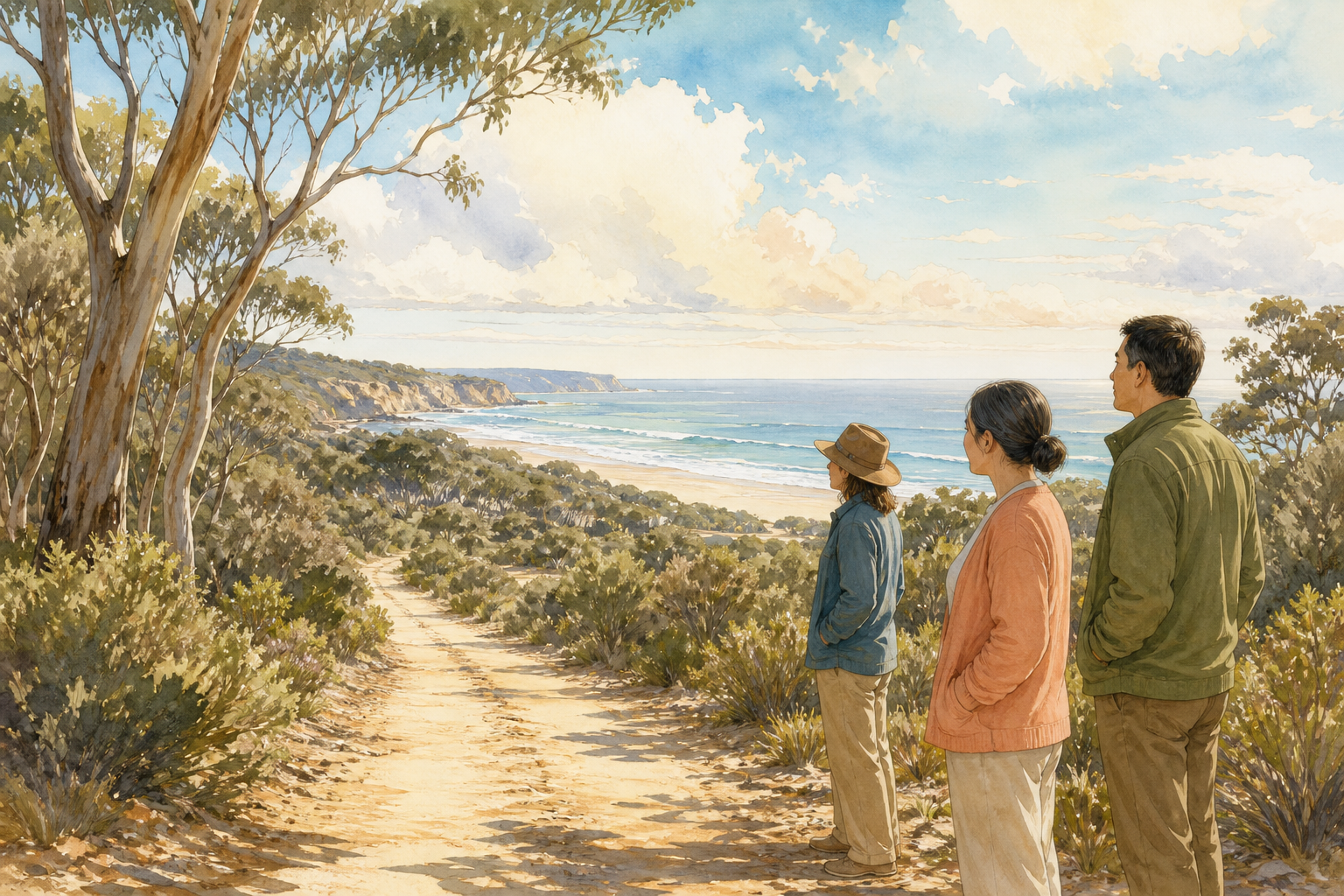
Text to type: Australia is a huge country, and towns can sit far apart. The bush means land away from easy city comfort — dry country, long roads, and small communities. Distance shaped practical habits: people plan travel carefully, look after neighbours, and talk often about weather, roads, and outdoor work. On the coast, city life looks different but still outdoor. In Sydney and Melbourne, beach time, parks, barbecues, and weekend sport fill ordinary conversation. Cricket, Australian rules football, and rugby league are common shared topics. Distance and outdoor life both push people outside the house and into shared public space.
Ready. The timer starts with your first key.
Complete
Great job!
Strong finish — your speed stayed steady.
Your rhythm
Speed over time- Time
- 0:00
- Raw speed
- 0 WPM
- Wrong keys
- 0
- Corrected
- 0
Check your understanding
Check: Part 3: Distance, the bush, and life outdoors
1. How do distance and the bush shape Australian culture?
Sample answer
Long distances and bush life built practical outdoor habits, while coastal cities keep beach, park, and sport talk at the centre of daily life.
Think one step further
Do you live far from city services, or close to everything?
What outdoor habits are normal in your town?
Why do you think beach and sport talk matter so much in Australian city life?
Reading
Part 4: Immigration waves and multicultural cities
Typing practice
Type the text exactly. Timer starts with your first key.
Text to type: After World War II, large immigration waves changed Australian cities. The White Australia policy, which had limited non-European migration, was dismantled across the 1960s and 1970s. From the 1970s onward, official multicultural policy grew, and new arrivals came from Europe, Asia, the Middle East, Africa, and the Pacific in large numbers. Sydney and Melbourne became clear multicultural centres. In daily city life, visitors hear many languages and see restaurants, shops, and festivals from many family stories. Food streets, suburban temples and churches, and weekend markets show how immigration remade ordinary Australian city culture.
Ready. The timer starts with your first key.
Complete
Great job!
Strong finish — your speed stayed steady.
Your rhythm
Speed over time- Time
- 0:00
- Raw speed
- 0 WPM
- Wrong keys
- 0
- Corrected
- 0
Check your understanding
Check: Part 4: Immigration waves and multicultural cities
1. How did immigration change Australian city culture?
Sample answer
After the White Australia policy ended, post-war immigration helped cities such as Sydney and Melbourne become multicultural centres with many languages, foods, and festivals in daily life.
Think one step further
Do you live in a city where people come from many countries?
What foods or festivals from other countries do you see near you?
Why do you think multicultural city life is easy for visitors to notice?
Reading
Part 5: Mateship, friendly manners, and direct talk
Typing practice
Type the text exactly. Timer starts with your first key.
Text to type: Mateship is a famous Australian idea of loyal friendship and support between equals. It grew in bush work, wartime service, and everyday help between friends. The friendly word mate still appears in shops, workplaces, and street talk. Because mateship values equals, manners often feel informal to visitors. People may use first names quickly and get to the point in ordinary talk. Direct talk usually means saying the main idea without long ceremony. Visitors who expect more formal openings can find Australian talk sudden at first, then clear and warm once the friendship pattern shows.
Ready. The timer starts with your first key.
Complete
Great job!
Strong finish — your speed stayed steady.
Your rhythm
Speed over time- Time
- 0:00
- Raw speed
- 0 WPM
- Wrong keys
- 0
- Corrected
- 0
Check your understanding
Check: Part 5: Mateship, friendly manners, and direct talk
1. What is mateship, and how does it show up in daily manners?
Sample answer
Mateship is loyal friendship and support between equals, and it shows up in informal manners, helping one another, and friendly direct talk such as using the word mate.
Think one step further
Do you use a friendly word like mate with people you do not know well?
What manners feel informal in your daily life?
Why do you think direct talk can feel friendly to some people and rude to others?
 Part 6: Shared stories visitors notice
What you can do now
Final Reflection
Which part of Australian culture feels easiest for you to understand, and which part feels newest?
Learning cards
My cards
Australian Culture: What Stands Out and Why
0 due · 0 new · about 1 min
Learn the sense first · then retrieve it
No saved cards yet
Open a word or phrase in the article and choose Save to My Words.
Focused Reading Mode is open.
Listening
Lesson audio
Listen from the beginning, or choose “Play this part” as you read along.
Reading
Part 1: First Nations continuity and Country
Reading
Part 2: Convicts, settlers, and the fair go
Reading
Part 3: Distance, the bush, and life outdoors
Reading
Part 4: Immigration waves and multicultural cities
Reading
Part 5: Mateship, friendly manners, and direct talk
Finished listening?
Mark this listening practice complete when you have followed the lesson audio.
Listening complete
Listen Mode
Word-by-word syncPlay the audio and follow the highlighted word.
Article complete
Choose your next step
Open the next same-level lesson, replay the article, or save this page for later.
Listen Again
Replay the article once and notice how much more you understand.
One replay is enough. Then move on.