Six Dishes That Surprise New Eaters: From Chapulines to Kitfo
Quality checked lesson
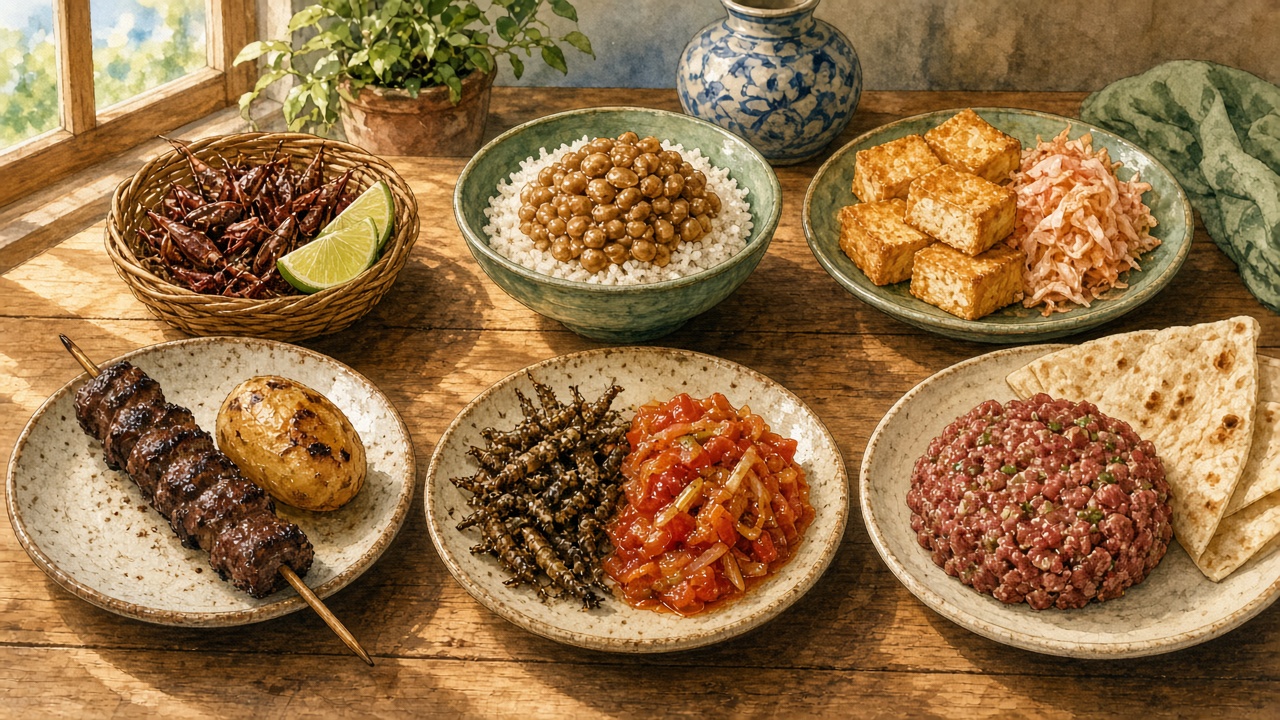
Grasshoppers in Mexico, beef heart in Peru, sticky soybeans in Japan, smelly tofu in Taiwan, dried caterpillars in southern Africa, and raw beef in Ethiopia are all normal food for millions of people. Each dish surprises outsiders for a clear, explainable reason.
 English lesson
Article
Choose how to use this lesson
You can switch anytime.
Study mode
Introduction
Typing practice
Type the text exactly. Timer starts with your first key.
Text to type: Grasshoppers in Mexico, beef heart in Peru, sticky soybeans in Japan, smelly tofu in Taiwan, dried caterpillars in southern Africa, and raw beef in Ethiopia are all normal food for millions of people. Each dish surprises outsiders for a clear, explainable reason.
Ready. The timer starts with your first key.
Complete
Great job!
Strong finish — your speed stayed steady.
Your rhythm
Speed over time- Time
- 0:00
- Raw speed
- 0 WPM
- Wrong keys
- 0
- Corrected
- 0
Before you begin
Warm-up
What is one food you refused to try as a child but enjoy now?
Which is harder for you to accept in a new dish: a strong smell, a strange texture, or an unusual ingredient?
Do you think "strange food" really exists, or is every food normal somewhere?
 Part 1: Chapulines, the toasted grasshoppers of Mexico
Reading
Part 1: Chapulines, the toasted grasshoppers of Mexico
Typing practice
Type the text exactly. Timer starts with your first key.
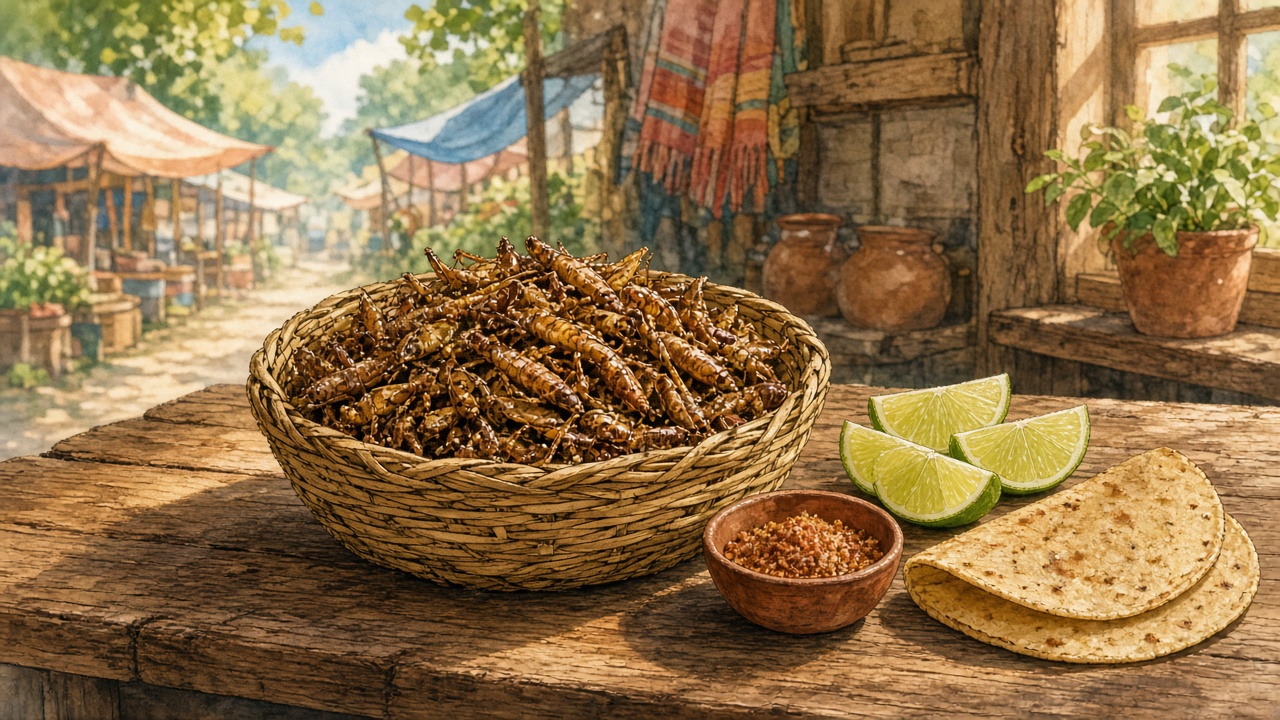
Text to type: The first surprising dish comes from Latin America. Chapulines are grasshoppers that people commonly eat in parts of Mexico and Central America. The name comes from Nahuatl, an old language of the region. Cooks toast the grasshoppers and season them with garlic, lime juice, chilies, or salt, so the final snack is crunchy, salty, and a little sour. It helps to think about every dish in three simple steps: where the food comes from, how people change it, and what the result feels like. For chapulines, the source is an insect, the change is toasting with seasoning, and the result is a snack. People eat them alone or as a filling, for example inside a tlayuda, a large tortilla dish. Oaxaca is the main region for chapulines, and they are also popular near Mexico City, Puebla, Cuernavaca, and Tepoztlán. This is not a new fashion: Spanish records from the early to mid-16th century already mention grasshoppers being eaten.
Ready. The timer starts with your first key.
Complete
Great job!
Strong finish — your speed stayed steady.
Your rhythm
Speed over time- Time
- 0:00
- Raw speed
- 0 WPM
- Wrong keys
- 0
- Corrected
- 0
Check your understanding
Check: Part 1: Chapulines, the toasted grasshoppers of Mexico
1. How do cooks change grasshoppers into chapulines?
Sample answer
They toast the grasshoppers and season them with garlic, lime juice, chilies, or salt, so the insects become a crunchy snack or a filling for dishes like a tlayuda.
Reading
Part 2: Anticuchos, beef heart on a stick
Typing practice
Type the text exactly. Timer starts with your first key.
Text to type: Anticuchos are popular and inexpensive meat skewers from the Andes mountains, especially Peru, and you can also find them in Bolivia, Chile, and Ecuador. The surprise here is not the cooking but the cut of meat. The most popular version, anticuchos de corazon, uses beef heart. Cooks marinate the meat in vinegar and spices such as cumin, aji pepper, and garlic, then grill it. A boiled potato often sits at the end of the skewer. Using the same three steps, the source is an organ cut, the change is marinating and grilling, and the result is a smoky street food. The history explains the choice of meat: in colonial times, Spanish households valued organ cuts less, so beef heart became common in this cheap street food. Today, people across Peru eat anticuchos, rich and poor alike. A part of the animal that some people throw away is here the star of the dish.
Ready. The timer starts with your first key.
Complete
Great job!
Strong finish — your speed stayed steady.
Your rhythm
Speed over time- Time
- 0:00
- Raw speed
- 0 WPM
- Wrong keys
- 0
- Corrected
- 0
Check your understanding
Check: Part 2: Anticuchos, beef heart on a stick
1. Why did beef heart become the usual meat for anticuchos?
Sample answer
In colonial times, Spanish households valued organ cuts like heart less, so this cheap meat became common in street food, and now people across Peru eat anticuchos made from it.
 Part 3: Natto, the sticky breakfast of eastern Japan
Reading
Part 3: Natto, the sticky breakfast of eastern Japan
Typing practice
Type the text exactly. Timer starts with your first key.
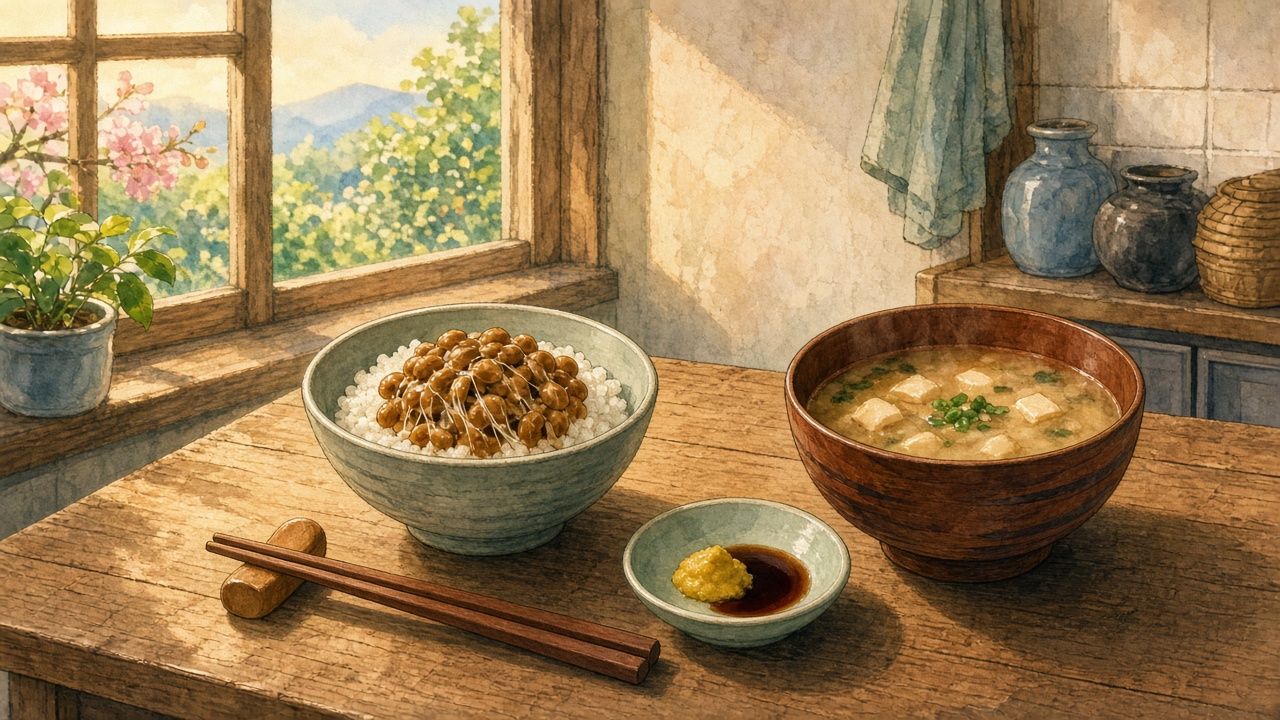
Text to type: Now the story moves to Asia. Natto is a traditional Japanese food made from whole soybeans fermented with a bacterium called Bacillus subtilis var. natto. Many people in Japan eat it for breakfast on top of rice, often mixed with mustard, soy sauce, and spring onion. It is most popular in eastern Japan, in regions such as Kanto, Tohoku, and Hokkaido, so someone from Tokyo may love it while a visitor from another country stares at the bowl. The source is an ordinary bean, but the change, fermentation, produces a very unusual result: a strong smell, a sticky, slimy texture with long strings, and a strong flavor. Many people call natto an acquired taste, which means you learn to like it over time. Still, a 2009 survey found that about 70 percent of respondents liked the taste. For a large part of Japan, this strange-looking food is simply a normal morning.
Ready. The timer starts with your first key.
Complete
Great job!
Strong finish — your speed stayed steady.
Your rhythm
Speed over time- Time
- 0:00
- Raw speed
- 0 WPM
- Wrong keys
- 0
- Corrected
- 0
Check your understanding
Check: Part 3: Natto, the sticky breakfast of eastern Japan
1. What does fermentation change about the soybeans in natto?
Sample answer
Fermentation gives the plain soybeans a strong smell, a strong flavor, and a sticky, slimy texture with long strings, which is why many people call natto an acquired taste.
Think one step further
In your experience, which food from your home region do visitors find strange but you find completely normal?
Reading
Part 4: Stinky tofu, when the smell and the taste disagree
Typing practice
Type the text exactly. Timer starts with your first key.
Text to type: Stinky tofu is a Chinese fermented tofu dish, and its name says everything about the first impression. It is famous for a very strong smell, which people sometimes compare to strong cheese or even garbage. Yet the taste is often much milder and savory than the smell suggests. Stinky tofu is a common night-market snack in Taiwan and is also eaten in many parts of China. It can be fried, steamed, stewed, or grilled, and fried stinky tofu is especially common at night markets. Here the three steps show an interesting gap. The source is soft tofu, the change is fermentation, and the result is a food whose smell and taste seem to belong to two different dishes. A legend links an early version to a man named Wang Zhihe in the Qing dynasty, whose leftover tofu fermented in a jar. Fans go further than accepting the smell: they say that smellier batches can actually taste better.
Ready. The timer starts with your first key.
Complete
Great job!
Strong finish — your speed stayed steady.
Your rhythm
Speed over time- Time
- 0:00
- Raw speed
- 0 WPM
- Wrong keys
- 0
- Corrected
- 0
Check your understanding
Check: Part 4: Stinky tofu, when the smell and the taste disagree
1. Why does stinky tofu surprise people who try it for the first time?
Sample answer
Its smell is very strong, like strong cheese or garbage, but the taste is usually milder and savory, so the smell and the taste do not match what people expect.
Reading
Part 5: Mopane worms, a protein food of southern Africa
Typing practice
Type the text exactly. Timer starts with your first key.
Text to type: The last two dishes come from Africa. Mopane worms are not really worms but large edible caterpillars of the moth Gonimbrasia belina, common in the warmer parts of southern Africa. They feed mainly on the leaves of the mopane tree, which gives them their name. In the region they are an important source of protein, so for many families this is serious food, not a dare. The source is a caterpillar from the trees. The change starts with cleaning, then people often boil the caterpillars with salt and dry or smoke them. The result can be eaten in two ways: dried mopane worms make a crunchy snack, or cooks stew them with onion, tomato, and spices for a warm meal. The dried caterpillars keep well, which is one reason they are traded in countries such as Botswana, Namibia, South Africa, and Zimbabwe. Like chapulines in Mexico, an insect here becomes both an everyday snack and a full dish.
Ready. The timer starts with your first key.
Complete
Great job!
Strong finish — your speed stayed steady.
Your rhythm
Speed over time- Time
- 0:00
- Raw speed
- 0 WPM
- Wrong keys
- 0
- Corrected
- 0
Check your understanding
Check: Part 5: Mopane worms, a protein food of southern Africa
1. In what two ways do people eat mopane worms after drying them?
Sample answer
People eat dried mopane worms as a crunchy snack, or they cook them with onion, tomato, and spices to make a warm meal.
 Part 6: Kitfo, raw beef for a special day
Reading
Part 6: Kitfo, raw beef for a special day
Typing practice
Type the text exactly. Timer starts with your first key.
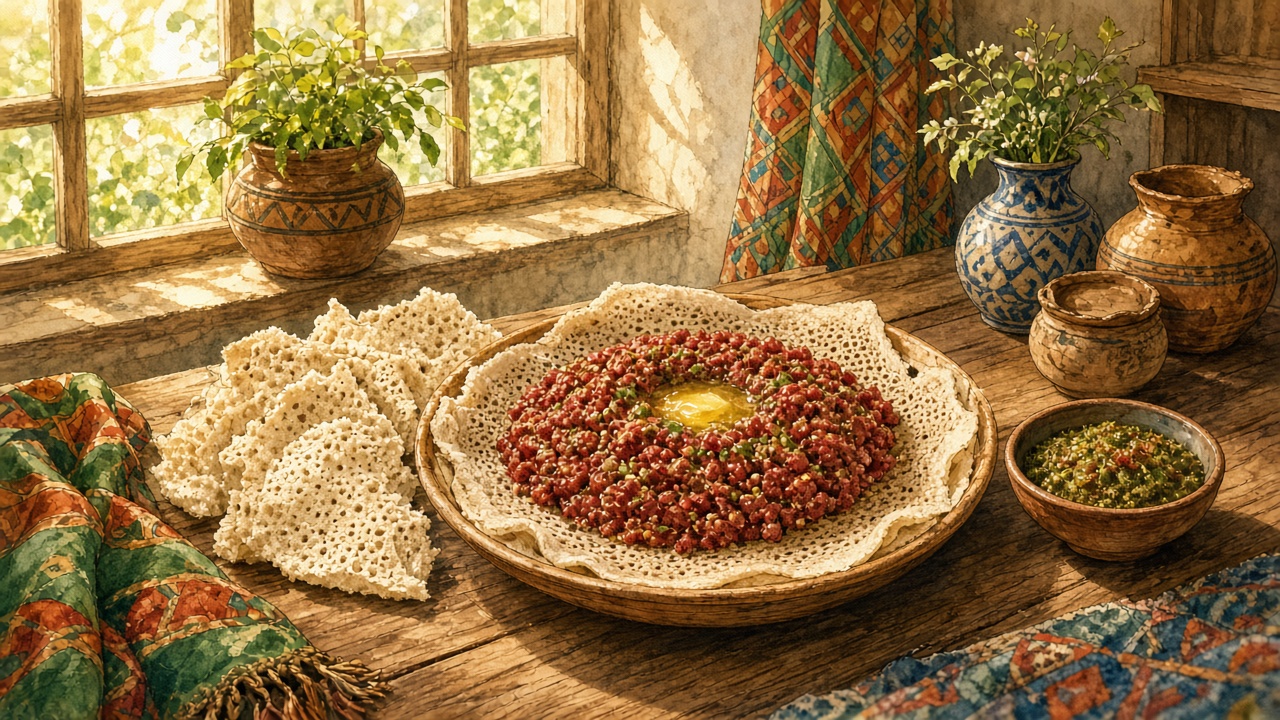
Text to type: Kitfo is an Ethiopian dish of minced raw beef from the tradition of the Gurage people. The surprise for many visitors is that the beef is raw or almost raw. The meat is mixed with mitmita, a hot chili spice powder, and niter kibbeh, a spiced clarified butter, so the flavor is rich and spicy rather than plain. When the beef is cooked lightly rare instead of fully raw, the dish is called kitfo leb leb. Following the three steps one last time, the source is fresh beef, the change is mincing and seasoning without real heat, and the result is a soft, warm, buttery dish. Kitfo is often served with ayibe, a mild cheese, or gomen, cooked greens, and it comes with injera, a soft flatbread, or with kocho among Gurage cooks. It is a dish for special days such as Meskel, an Ethiopian feast day. In Ethiopia, raw beef is not a risk to avoid but a treat to celebrate.
Ready. The timer starts with your first key.
Complete
Great job!
Strong finish — your speed stayed steady.
Your rhythm
Speed over time- Time
- 0:00
- Raw speed
- 0 WPM
- Wrong keys
- 0
- Corrected
- 0
Check your understanding
Check: Part 6: Kitfo, raw beef for a special day
1. What two ingredients give kitfo its rich, spicy flavor?
Sample answer
Kitfo is mixed with mitmita, a hot chili spice powder, and niter kibbeh, a spiced clarified butter, which make the raw minced beef taste rich and spicy.
What you can do now
Final Reflection
Of these six dishes, which one would you try first and which one last, and what does that order tell you about your own food habits?
Learning cards
My cards
Six Dishes That Surprise New Eaters: From Chapulines to Kitfo
0 due · 0 new · about 1 min
Learn the sense first · then retrieve it
No saved cards yet
Open a word or phrase in the article and choose Save to My Words.
Focused Reading Mode is open.
Listening
Lesson audio
Listen from the beginning, or choose “Play this part” as you read along.
Reading
Part 1: Chapulines, the toasted grasshoppers of Mexico
Reading
Part 2: Anticuchos, beef heart on a stick
Reading
Part 3: Natto, the sticky breakfast of eastern Japan
Reading
Part 4: Stinky tofu, when the smell and the taste disagree
Reading
Part 5: Mopane worms, a protein food of southern Africa
Reading
Part 6: Kitfo, raw beef for a special day
Finished listening?
Mark this listening practice complete when you have followed the lesson audio.
Listening complete
Listen Mode
Word-by-word syncPlay the audio and follow the highlighted word.
Article complete
Choose your next step
Open the next same-level lesson, replay the article, or save this page for later.
Listen Again
Replay the article once and notice how much more you understand.
One replay is enough. Then move on.