Finland: From an Ancient Name to a Modern Nordic Country
Quality checked lesson
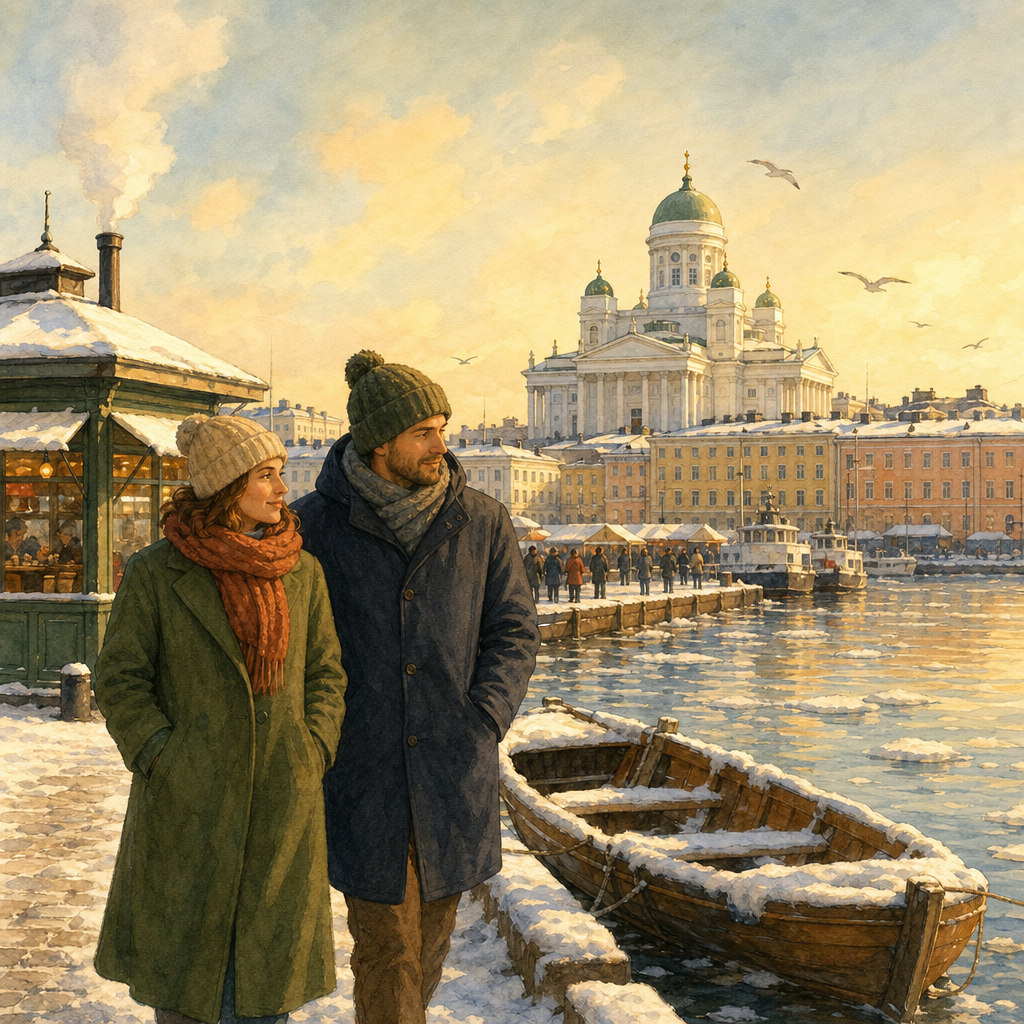
Finland’s story includes ancient settlement, Swedish and Russian rule, independence, war, and rapid modern development. Its people, languages, and national identity formed through many changes—not from one simple migration.
 English lesson
Article
Choose how to use this lesson
You can switch anytime.
Study mode
Introduction
Typing practice
Type the text exactly. Timer starts with your first key.
Text to type: Finland’s story includes ancient settlement, Swedish and Russian rule, independence, war, and rapid modern development. Its people, languages, and national identity formed through many changes—not from one simple migration.
Ready. The timer starts with your first key.
Complete
Great job!
Strong finish — your speed stayed steady.
Your rhythm
Speed over time- Time
- 0:00
- Raw speed
- 0 WPM
- Wrong keys
- 0
- Corrected
- 0
Before you begin
Warm-up
What facts or images come to mind when you think of Finland?
Why can the first written name of a people be difficult to interpret?
Which events usually help create a strong national identity?
 Part 1: Ancient names and the origins of the Finns
Reading
Part 1: Ancient names and the origins of the Finns
Typing practice
Type the text exactly. Timer starts with your first key.
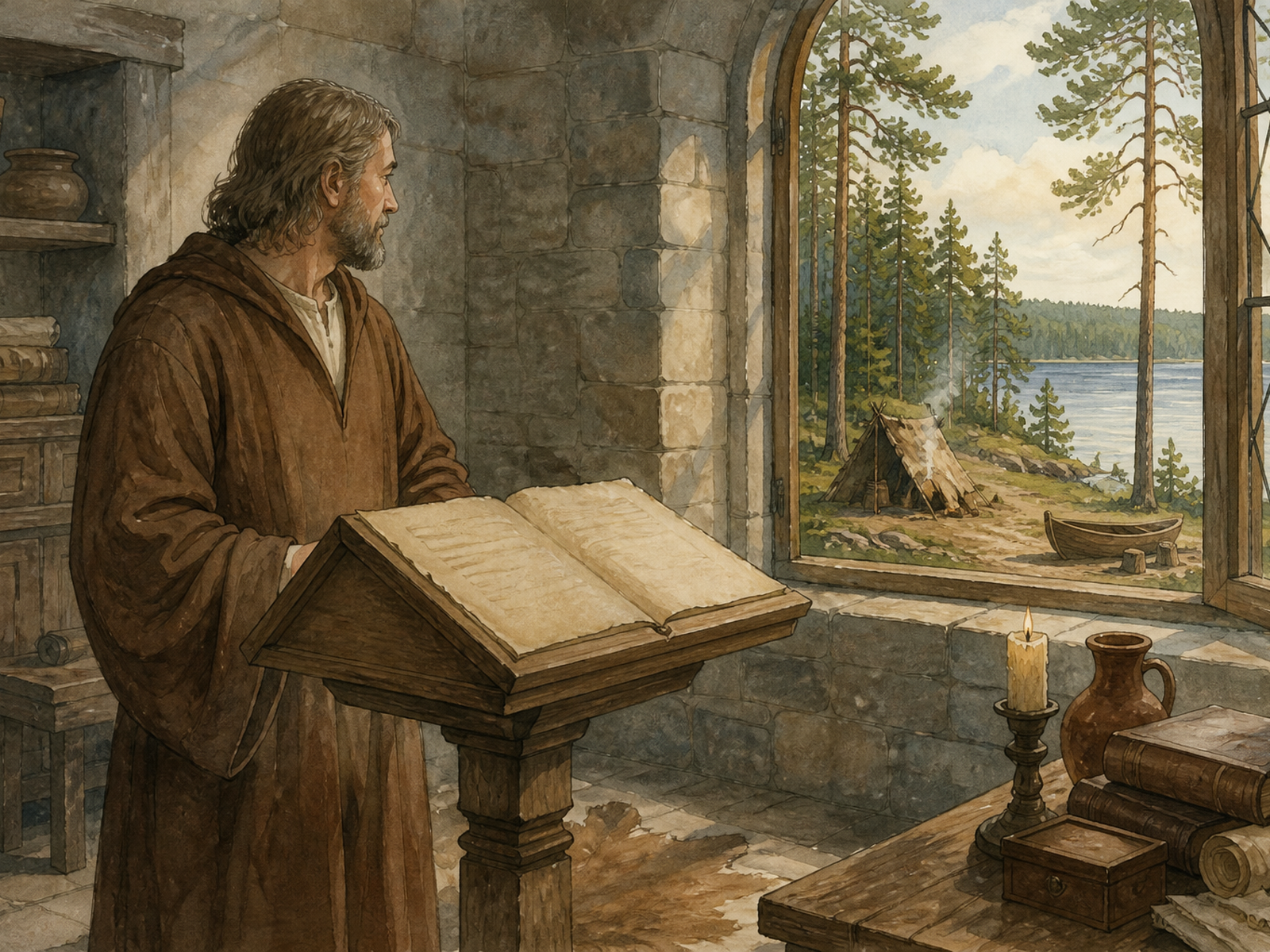
Text to type: One way to approach this history is to ask: what written records exist, where did the people come from, and how did names and languages change over time? The first known written mention of the *Fenni* comes from the Roman writer Tacitus in 98 CE. However, his description of northern hunter-gatherers does not prove that they were the ancestors of modern Finns. Even the origins of the names *Finland* and *Suomi* remain uncertain. Archaeology shows continuous settlement in Finland since about 9000 BCE, but languages and people also moved over time. Ancestors of Finnish speakers came west in several waves. Finnish developed from Proto-Finnic, probably spoken south of the Gulf of Finland. It belongs to the Uralic family and is closely related to Estonian and Karelian—not to Indo-European languages such as Lithuanian. Sámi languages were once spoken across much more of Finland.
Ready. The timer starts with your first key.
Complete
Great job!
Strong finish — your speed stayed steady.
Your rhythm
Speed over time- Time
- 0:00
- Raw speed
- 0 WPM
- Wrong keys
- 0
- Corrected
- 0
Check your understanding
Check: Part 1: Ancient names and the origins of the Finns
1. Why does Tacitus’s text not give a complete origin story for modern Finns?
Sample answer
Tacitus used an uncertain Roman label for a northern people, while archaeology and language research show a much longer and more complex history.
Reading
Part 2: Between Sweden and Russia
Typing practice
Type the text exactly. Timer starts with your first key.
Text to type: From the late 13th century, most Finnish lands became part of Sweden. Turku was the main town, and Swedish was used in government, education, and elite life. In the 16th century, bishop Mikael Agricola created the first comprehensive Finnish writing system. His *Abckiria* primer appeared in 1543, and his Finnish New Testament in 1551. Swedish rule ended after the Finnish War of 1808–1809. Finland then became an autonomous Grand Duchy within the Russian Empire. It kept many Swedish laws, while Helsinki became the capital in 1812. Finnish national culture also grew: Elias Lönnrot published the *Kalevala* in 1835, and an 1863 language decree began raising Finnish toward official status. In 1906, Finland created a one-chamber parliament and became the first European country to give women both the vote and the right to stand for election.
Ready. The timer starts with your first key.
Complete
Great job!
Strong finish — your speed stayed steady.
Your rhythm
Speed over time- Time
- 0:00
- Raw speed
- 0 WPM
- Wrong keys
- 0
- Corrected
- 0
Check your understanding
Check: Part 2: Between Sweden and Russia
1. How did the Russian period help Finland develop a separate national system?
Sample answer
Finland kept autonomy and its laws, gained Helsinki as its capital, strengthened the Finnish language, and created a modern parliament.
 Part 3: Independence and a divided country
Reading
Part 3: Independence and a divided country
Typing practice
Type the text exactly. Timer starts with your first key.
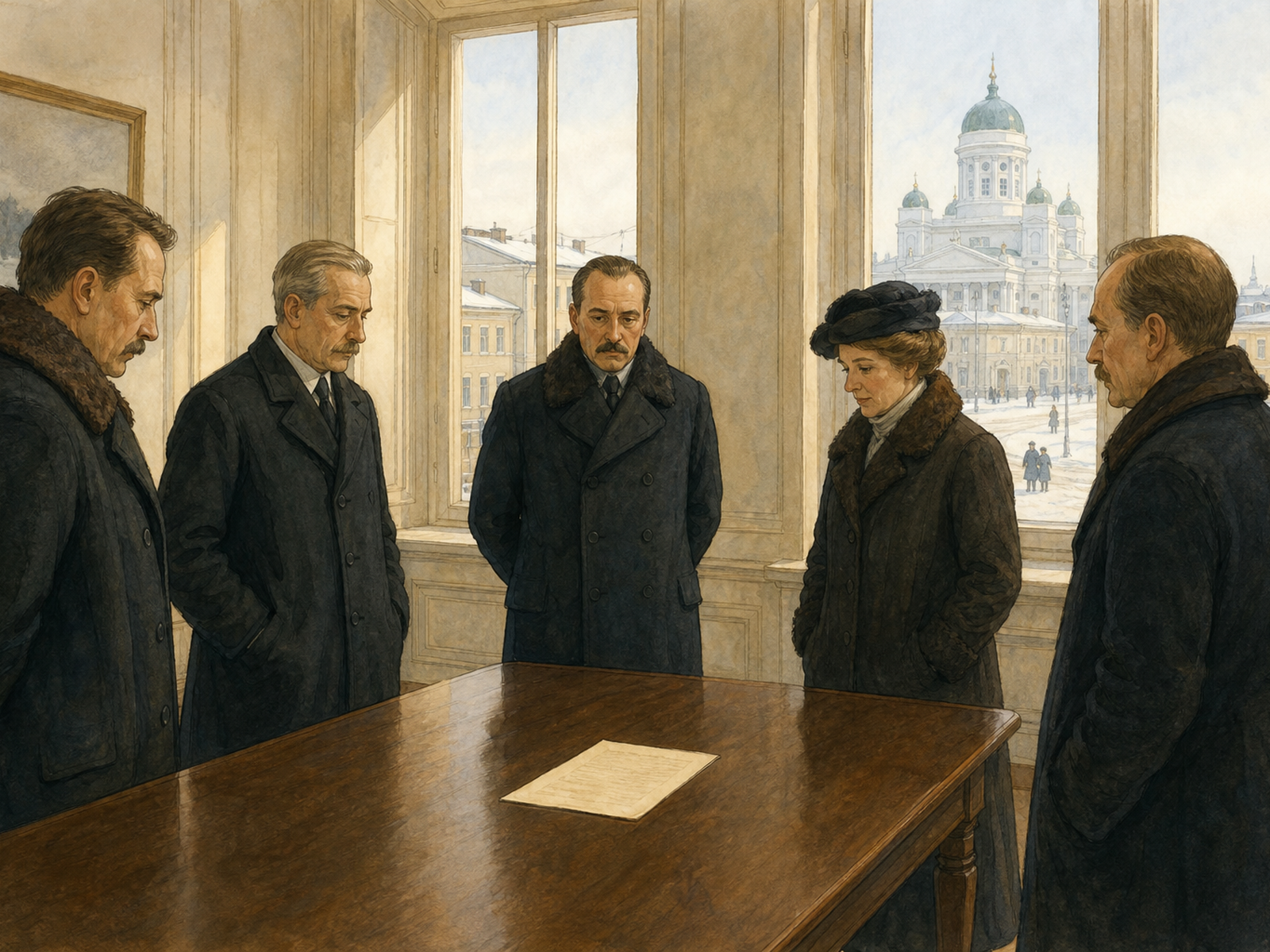
Text to type: The Russian Revolution opened a path to independence. Finland’s Senate presented a declaration in December 1917, and Parliament accepted it on 6 December by 100 votes to 88. Soviet Russia recognised Finland soon afterward. Finland still celebrates 6 December as Independence Day. However, the new country quickly divided. From January to May 1918, the socialist Reds fought the government-supported Whites. The Whites won with help from German troops. The Battle of Tampere was the bloodiest battle, and prison camps caused many later deaths from hunger and disease. Altogether, about 38,000 people died in a population of roughly three million. The conflict left deep political and social wounds. Nevertheless, Finland adopted a republican constitution in 1919, and Kaarlo Juho Ståhlberg became its first president.
Ready. The timer starts with your first key.
Complete
Great job!
Strong finish — your speed stayed steady.
Your rhythm
Speed over time- Time
- 0:00
- Raw speed
- 0 WPM
- Wrong keys
- 0
- Corrected
- 0
Check your understanding
Check: Part 3: Independence and a divided country
1. What were the two very different results of Finland’s first years of independence?
Sample answer
Finland created an independent republic, but the Civil War divided society and caused about 38,000 deaths.
Reading
Part 4: War, lost land, and continued independence
Typing practice
Type the text exactly. Timer starts with your first key.
Text to type: The Soviet Union invaded Finland on 30 November 1939, beginning the Winter War. Although Finland had a much smaller army, Finnish forces stopped or defeated Soviet units in places such as Suomussalmi and Raate Road. The war ended in March 1940. Finland remained independent but gave up about nine percent of its land, and more than 422,000 Karelians were evacuated. Finland fought the Soviet Union again in the Continuation War from 1941 to 1944, this time alongside Germany as a co-belligerent. A major Soviet offensive captured Viipuri in June 1944, but Finnish forces stopped further advances at battles including Tali-Ihantala. The armistice required Finland to give up more territory and then remove German troops from Lapland. Across the two Soviet wars, Finland lost about 12 percent of its land, but it was not occupied and its democratic state survived.
Ready. The timer starts with your first key.
Complete
Great job!
Strong finish — your speed stayed steady.
Your rhythm
Speed over time- Time
- 0:00
- Raw speed
- 0 WPM
- Wrong keys
- 0
- Corrected
- 0
Check your understanding
Check: Part 4: War, lost land, and continued independence
1. What was Finland’s central result after the wars against the Soviet Union?
Sample answer
Finland lost territory and many lives, but it avoided occupation, kept its independence, and continued as a democratic state.
 Part 5: What Finland is today
Reading
Part 5: What Finland is today
Typing practice
Type the text exactly. Timer starts with your first key.
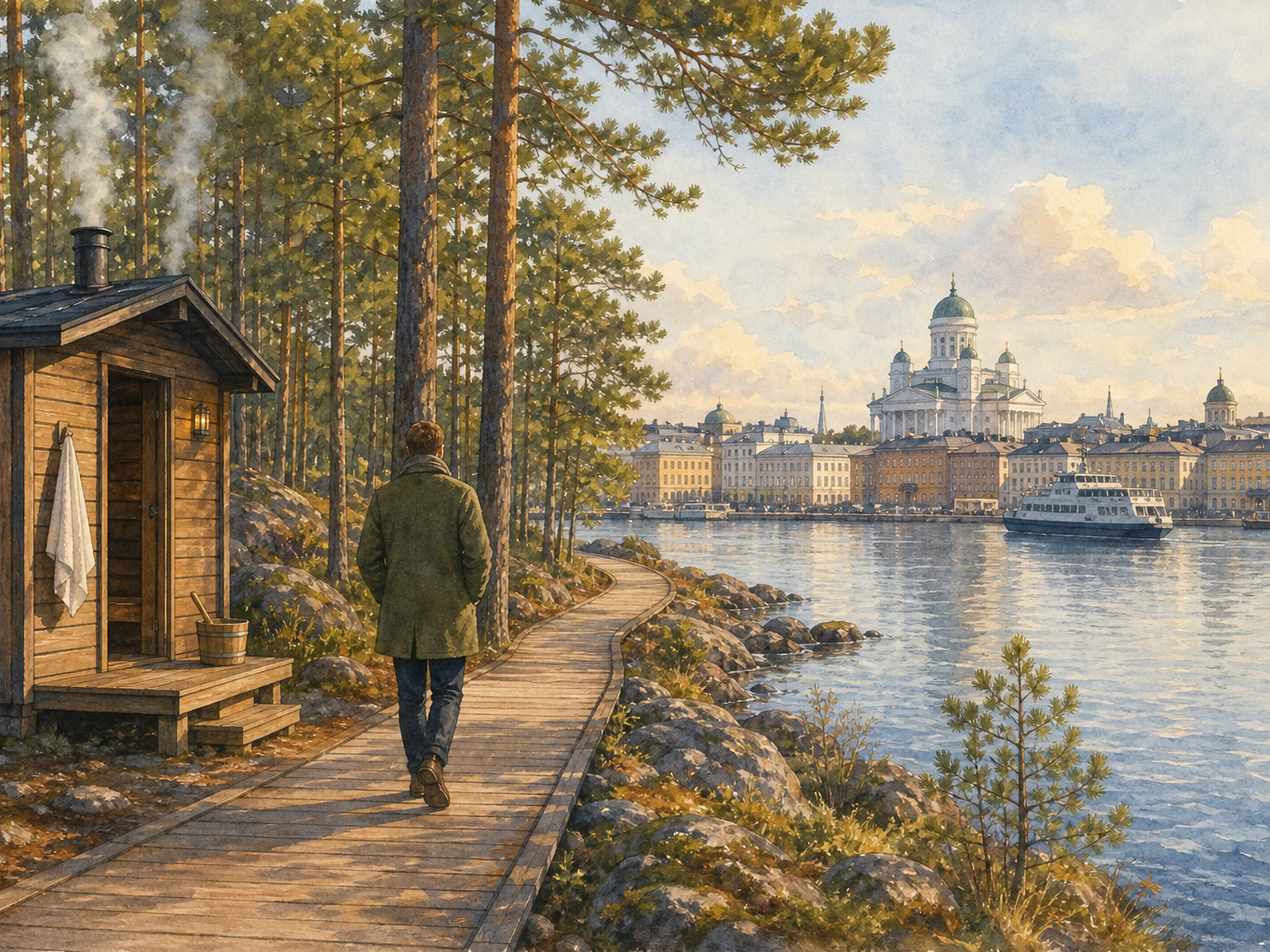
Text to type: Modern Finland is a Nordic republic of about 5.6–5.7 million people. Finnish and Swedish are its national languages, while Northern, Inari, and Skolt Sámi have official status in parts of the Sámi homeland. This language map reflects the country’s layered history. Nature is central to Finland’s image: forests cover most of the land, and official counts include 187,888 lakes larger than 500 square metres. Sauna is another strong cultural symbol. Finland has about 3.2 million saunas, and Finnish sauna culture entered UNESCO’s intangible heritage list in 2020. Finland joined the European Union in 1995 and adopted euro cash in 2002. After Russia’s full-scale invasion of Ukraine in 2022, Finland changed its security policy and applied to NATO. It became NATO’s 31st member on 4 April 2023. Modern Finland therefore combines local traditions, Nordic democracy, European cooperation, and new security choices.
Ready. The timer starts with your first key.
Complete
Great job!
Strong finish — your speed stayed steady.
Your rhythm
Speed over time- Time
- 0:00
- Raw speed
- 0 WPM
- Wrong keys
- 0
- Corrected
- 0
Check your understanding
Check: Part 5: What Finland is today
1. Which examples show both continuity and change in modern Finland?
Sample answer
Languages, forests, lakes, and sauna show cultural continuity, while EU and NATO membership show changing international relationships.
What you can do now
Final Reflection
Which turning point—language development, independence, war, or international cooperation—do you think most strongly shaped modern Finland, and why?
Learning cards
My cards
Finland: From an Ancient Name to a Modern Nordic Country
0 due · 0 new · about 1 min
Learn the sense first · then retrieve it
No saved cards yet
Open a word or phrase in the article and choose Save to My Words.
Focused Reading Mode is open.
Listening
Lesson audio
Listen from the beginning, or choose “Play this part” as you read along.
Reading
Part 1: Ancient names and the origins of the Finns
Reading
Part 2: Between Sweden and Russia
Reading
Part 3: Independence and a divided country
Reading
Part 4: War, lost land, and continued independence
Reading
Part 5: What Finland is today
Finished listening?
Mark this listening practice complete when you have followed the lesson audio.
Listening complete
Listen Mode
Word-by-word syncPlay the audio and follow the highlighted word.
Article complete
Choose your next step
Open the next same-level lesson, replay the article, or save this page for later.
Listen Again
Replay the article once and notice how much more you understand.
One replay is enough. Then move on.