Lithuania: From a Baltic Name to a Modern European Country
Quality checked lesson
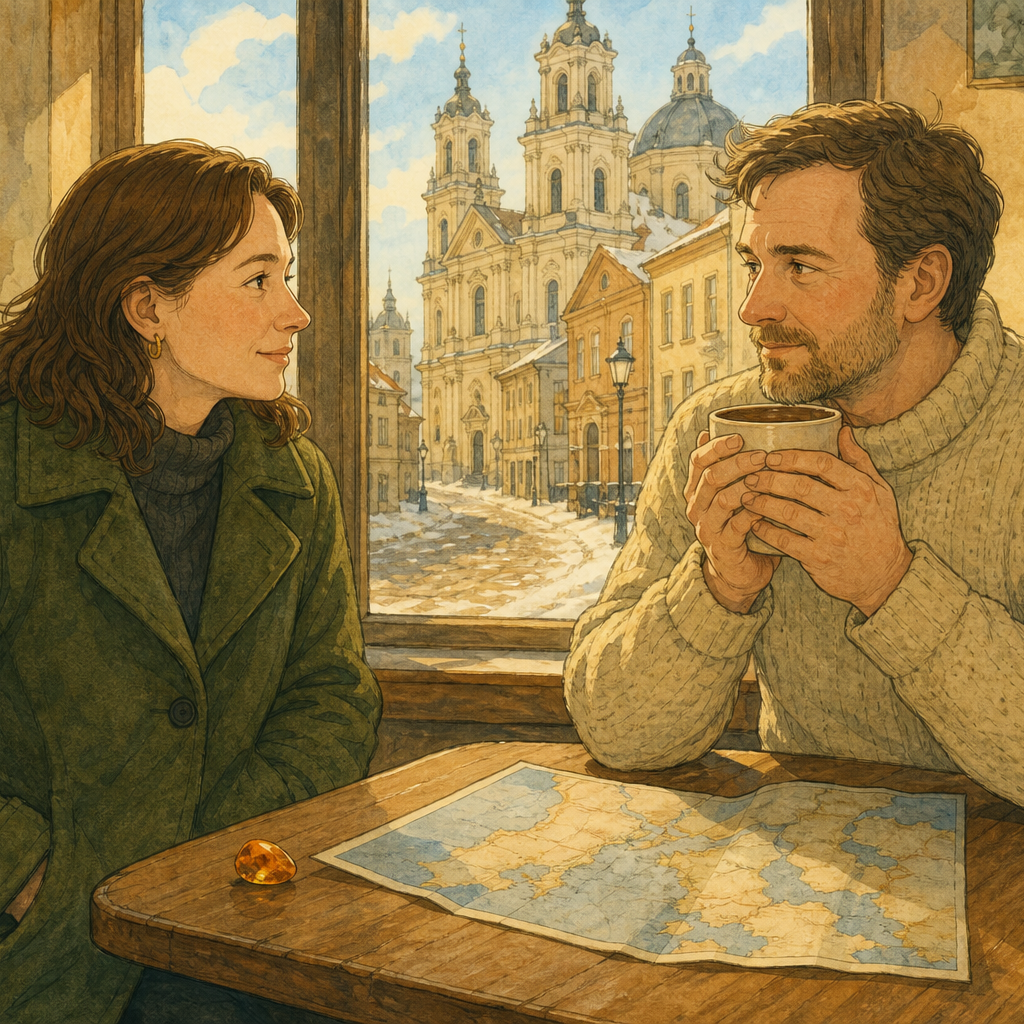
Follow Lithuania from its earliest written name through major changes in statehood to its landscape, language, and culture today.
 English lesson
Article
Choose how to use this lesson
You can switch anytime.
Study mode
Introduction
Typing practice
Type the text exactly. Timer starts with your first key.
Text to type: Follow Lithuania from its earliest written name through major changes in statehood to its landscape, language, and culture today.
Ready. The timer starts with your first key.
Complete
Great job!
Strong finish — your speed stayed steady.
Your rhythm
Speed over time- Time
- 0:00
- Raw speed
- 0 WPM
- Wrong keys
- 0
- Corrected
- 0
Before you begin
Warm-up
Where is Lithuania, and which countries are near it?
What events can cause a country to lose or regain independence?
What parts of a country’s history can remain important in modern life?
 Part 1: A Name and Baltic Roots
Reading
Part 1: A Name and Baltic Roots
Typing practice
Type the text exactly. Timer starts with your first key.
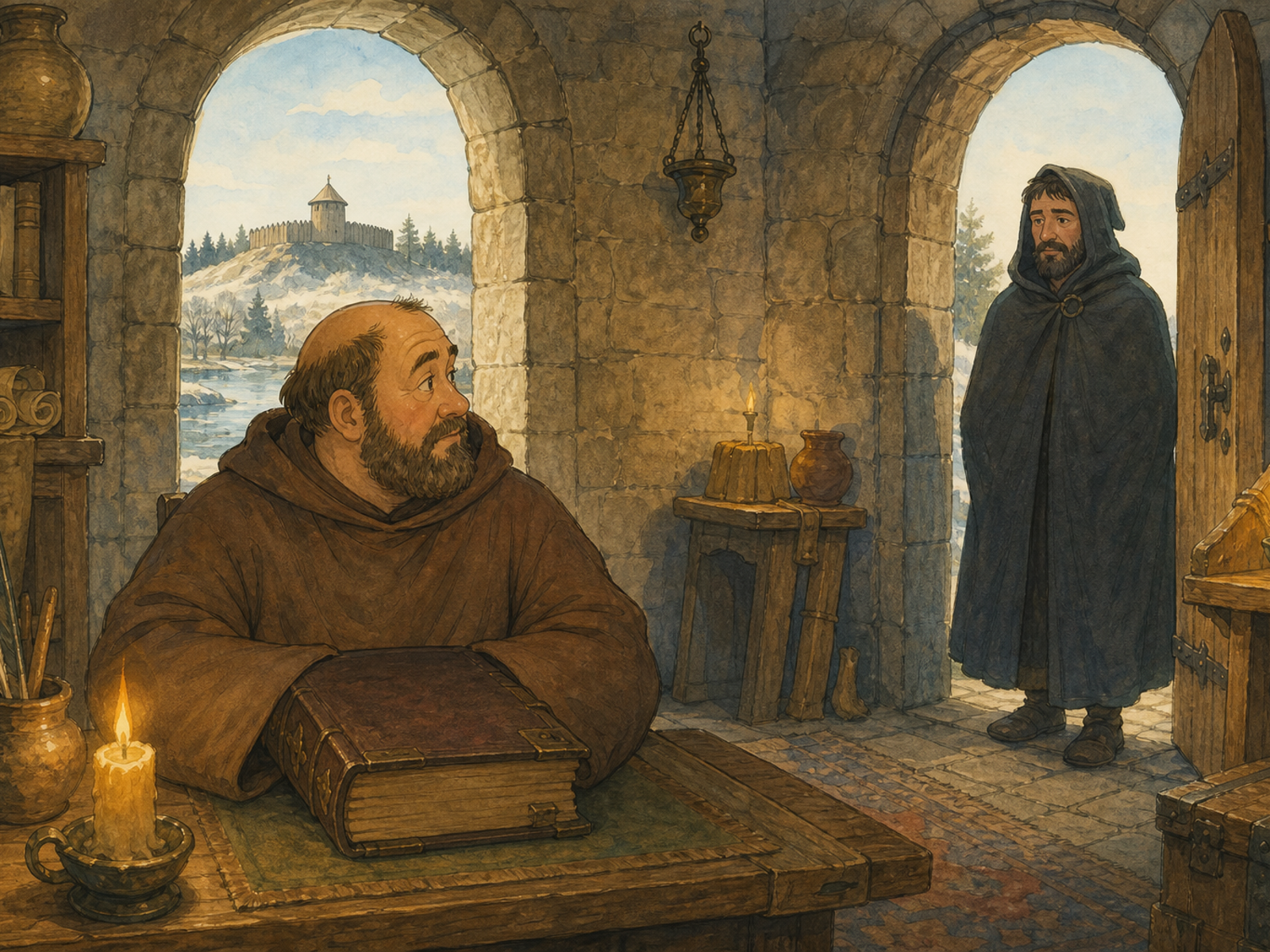
Text to type: The earliest known written record of Lithuania’s name comes from the Annals of Quedlinburg. It described events from 9 March 1009 and used the Latin form *Litua*. However, this record was not the beginning of the Lithuanian people. It was simply the first surviving written mention. The exact meaning of *Lietuva* is still debated. One theory connects it to the small Lietava River near Kernavė. Another connects it to the *leičiai*, a historical warrior group. Lithuanians are Balts, not Slavs. Lithuanian is an East Baltic language related to Latvian, although speakers of the two languages cannot automatically understand each other. It preserves some very old features of the Indo-European language family.
Ready. The timer starts with your first key.
Complete
Great job!
Strong finish — your speed stayed steady.
Your rhythm
Speed over time- Time
- 0:00
- Raw speed
- 0 WPM
- Wrong keys
- 0
- Corrected
- 0
Check your understanding
Check: Part 1: A Name and Baltic Roots
1. What is the difference between Lithuania’s first written mention and the origin of the Lithuanian people?
Sample answer
The record from 1009 is the earliest known written use of the name, but Baltic communities and their language already existed before that record.
Think one step further
Why might the first written mention of a people appear much later than the people themselves?
Reading
Part 2: From Baltic Tribes to a Large State
Typing practice
Type the text exactly. Timer starts with your first key.
Text to type: In the 13th century, Baltic tribes in Aukštaitija formed a pagan state. Mindaugas was crowned the Catholic King of Lithuania on 6 July 1253, although he later returned to pagan practice. The Grand Duchy of Lithuania developed from this early state. Gediminas made Vilnius the lasting capital from 1323. During the 14th and 15th centuries, the Grand Duchy became one of Europe’s largest states. Around 1430, it stretched from the Baltic Sea toward the Black Sea and covered about 930,000 square kilometres. Lithuania was the last major pagan state in Europe. After Jogaila signed the Union of Krewo in 1385, Lithuania was Christianized in 1387. In 1410, Polish–Lithuanian forces defeated the Teutonic Knights at Grunwald.
Ready. The timer starts with your first key.
Complete
Great job!
Strong finish — your speed stayed steady.
Your rhythm
Speed over time- Time
- 0:00
- Raw speed
- 0 WPM
- Wrong keys
- 0
- Corrected
- 0
Check your understanding
Check: Part 2: From Baltic Tribes to a Large State
1. How did Lithuania change between the 13th and 15th centuries?
Sample answer
It changed from a pagan state formed by Baltic tribes into a Christian Grand Duchy that controlled a very large area of Europe.
 Part 3: The Commonwealth, Russian Rule, and Independence
Reading
Part 3: The Commonwealth, Russian Rule, and Independence
Typing practice
Type the text exactly. Timer starts with your first key.
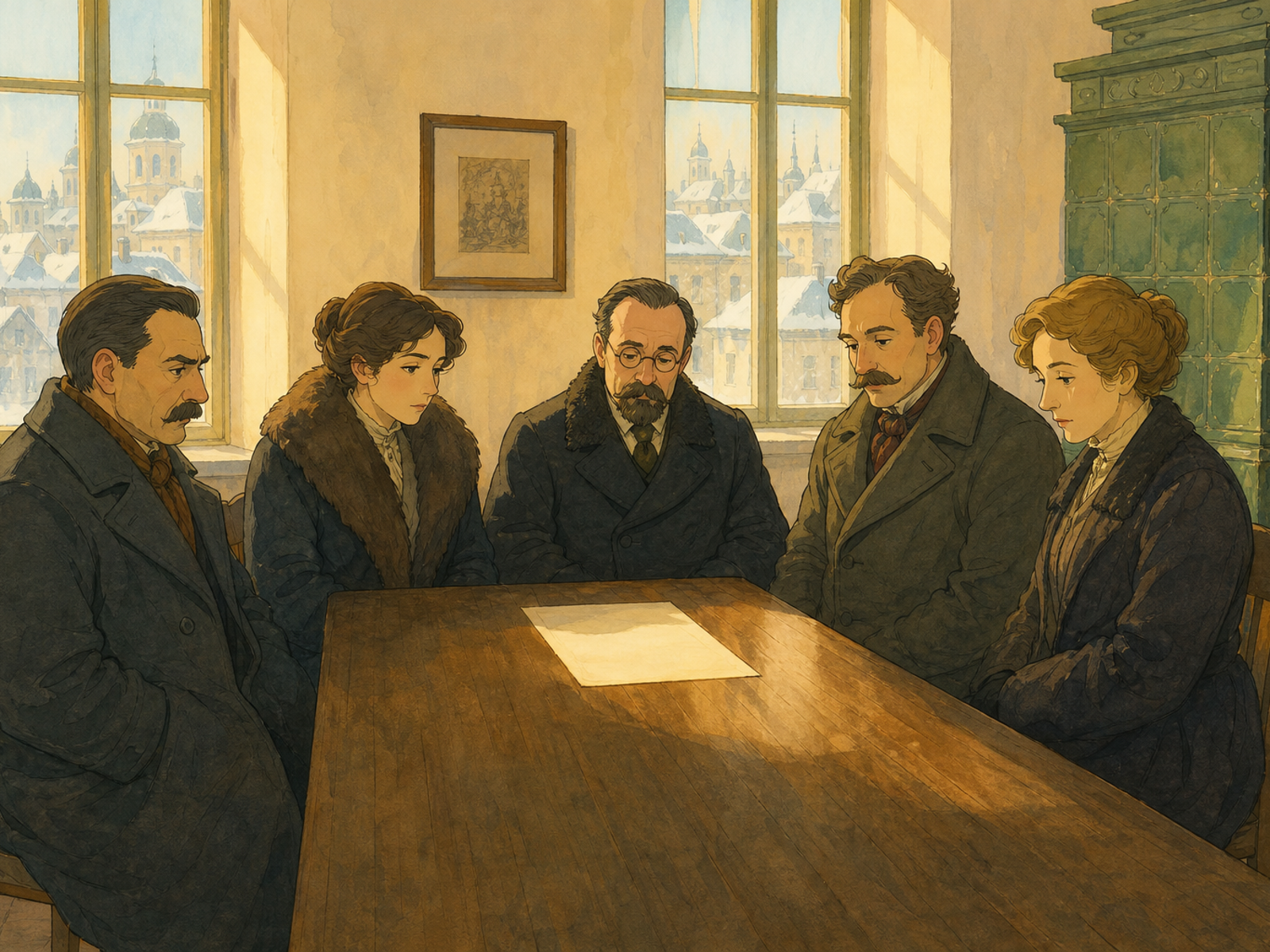
Text to type: The Union of Lublin created the Polish–Lithuanian Commonwealth in 1569. Lithuania shared a state with Poland but kept its own laws, army, and treasury. After three partitions, the Third Partition ended the state in 1795, and the Russian Empire took most Lithuanian lands, including Vilnius. Resistance continued. Lithuanians joined uprisings in 1830–1831 and 1863–1864. Russia banned Lithuanian books printed in the Latin alphabet from 1864. Book smugglers, called *knygnešiai*, secretly carried such books from East Prussia. On 16 February 1918, twenty members of the Council of Lithuania signed the Act of Independence in Vilnius. The Act restored an independent democratic Lithuanian state with Vilnius as its capital.
Ready. The timer starts with your first key.
Complete
Great job!
Strong finish — your speed stayed steady.
Your rhythm
Speed over time- Time
- 0:00
- Raw speed
- 0 WPM
- Wrong keys
- 0
- Corrected
- 0
Check your understanding
Check: Part 3: The Commonwealth, Russian Rule, and Independence
1. How did Lithuanians protect their identity under Russian rule and later restore their state?
Sample answer
They resisted Russian rule, carried banned Lithuanian books, and finally declared an independent democratic state on 16 February 1918.
Reading
Part 4: Occupation and Restored Independence
Typing practice
Type the text exactly. Timer starts with your first key.
Text to type: In August 1939, the Molotov–Ribbentrop Pact placed the Baltic states in the Soviet sphere. The Soviet Union occupied Lithuania in June 1940. Nazi Germany occupied it in 1941, and Soviet forces returned in 1944. Anti-Soviet partisans continued fighting into the early 1950s, while about 130,000 Lithuanians were deported to Siberia. On 11 March 1990, Lithuania declared the restoration of independence. “Restoration” was important: the Act stated that the independence declared in 1918 had never legally lost its force. Moscow responded with an economic blockade. On 13 January 1991, Soviet forces attacked important buildings in Vilnius, killing fourteen unarmed people. The Soviet Union recognized Lithuania on 6 September 1991, and the last Russian army units left in 1993.
Ready. The timer starts with your first key.
Complete
Great job!
Strong finish — your speed stayed steady.
Your rhythm
Speed over time- Time
- 0:00
- Raw speed
- 0 WPM
- Wrong keys
- 0
- Corrected
- 0
Check your understanding
Check: Part 4: Occupation and Restored Independence
1. Why did Lithuania call its 1990 decision a restoration of independence?
Sample answer
Lithuania called it a restoration because the new Act said that the independent state declared in 1918 had continued to exist legally despite Soviet occupation.
 Part 5: Lithuania Today
Reading
Part 5: Lithuania Today
Typing practice
Type the text exactly. Timer starts with your first key.
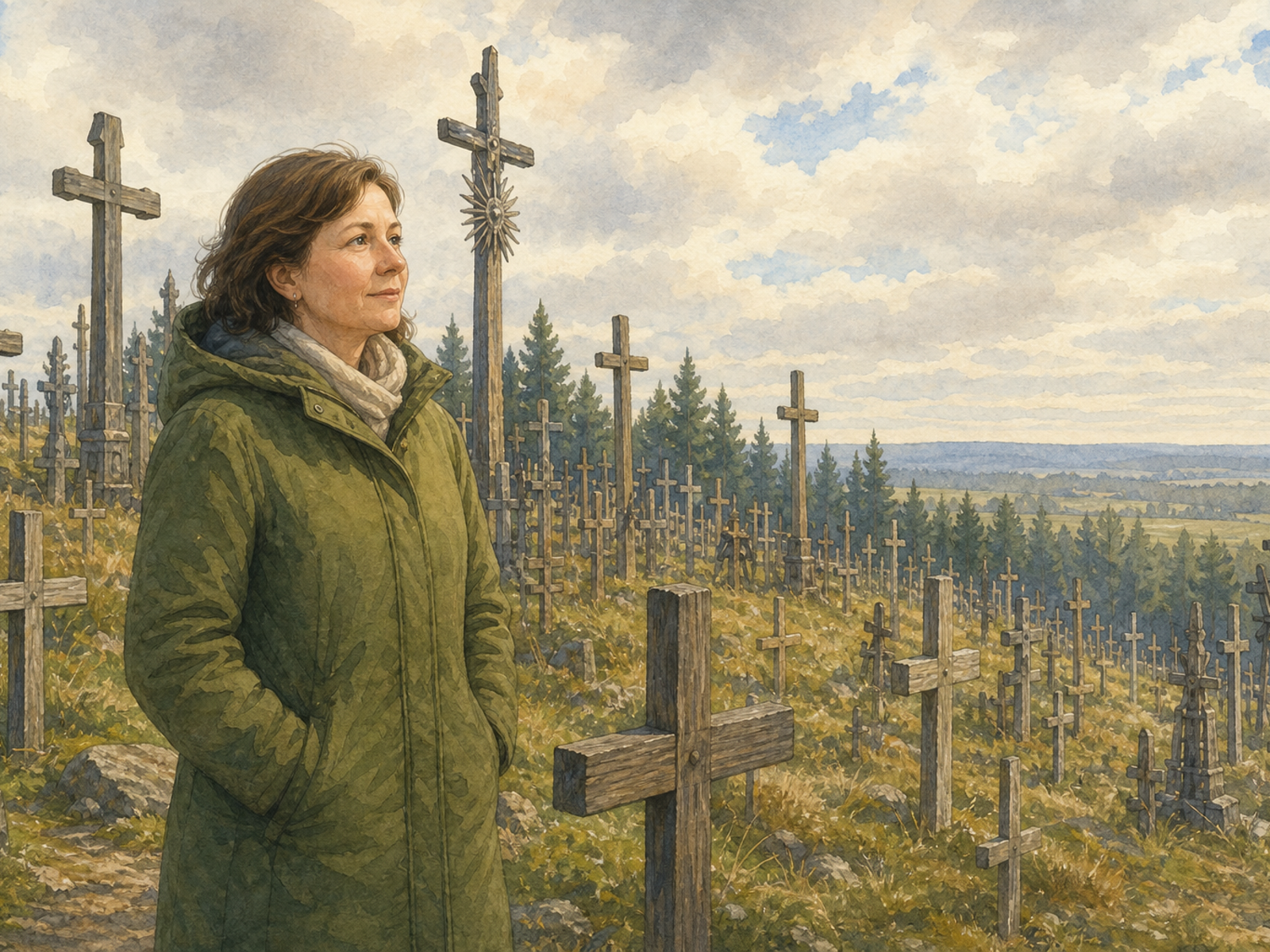
Text to type: Modern Lithuania is a country of about 2.9 million people on the eastern Baltic Sea. Its capital is Vilnius, Lithuanian is its official language, and Klaipėda is its main port. Forests cover about one third of the land, and there are more than 3,000 lakes. Lithuania joined NATO and the European Union in 2004. It entered the eurozone in 2015, so it uses the euro. These memberships connect the restored state closely with European and transatlantic institutions. Older history remains visible in modern culture. Baltic amber was once traded to the Roman Empire, and Palanga now has an amber museum. The Hill of Crosses near Šiauliai became a symbol of Catholic resistance during the Soviet period. Basketball is also a major part of modern culture; Lithuania hosted EuroBasket in 2011.
Ready. The timer starts with your first key.
Complete
Great job!
Strong finish — your speed stayed steady.
Your rhythm
Speed over time- Time
- 0:00
- Raw speed
- 0 WPM
- Wrong keys
- 0
- Corrected
- 0
Check your understanding
Check: Part 5: Lithuania Today
1. What three kinds of connection link modern Lithuania with its past and the wider world?
Sample answer
Lithuania is connected through international institutions such as the EU and NATO, through historical symbols such as amber and the Hill of Crosses, and through modern culture such as basketball.
What you can do now
Final Reflection
Which event, place, or symbol best helps you understand what modern Lithuania is about, and why?
Learning cards
My cards
Lithuania: From a Baltic Name to a Modern European Country
0 due · 0 new · about 1 min
Learn the sense first · then retrieve it
No saved cards yet
Open a word or phrase in the article and choose Save to My Words.
Focused Reading Mode is open.
Listening
Lesson audio
Listen from the beginning, or choose “Play this part” as you read along.
Reading
Part 1: A Name and Baltic Roots
Reading
Part 2: From Baltic Tribes to a Large State
Reading
Part 3: The Commonwealth, Russian Rule, and Independence
Reading
Part 4: Occupation and Restored Independence
Reading
Part 5: Lithuania Today
Finished listening?
Mark this listening practice complete when you have followed the lesson audio.
Listening complete
Listen Mode
Word-by-word syncPlay the audio and follow the highlighted word.
Article complete
Choose your next step
Open the next same-level lesson, replay the article, or save this page for later.
Listen Again
Replay the article once and notice how much more you understand.
One replay is enough. Then move on.