Fortified Wine from Port to Pineau
Quality checked lesson
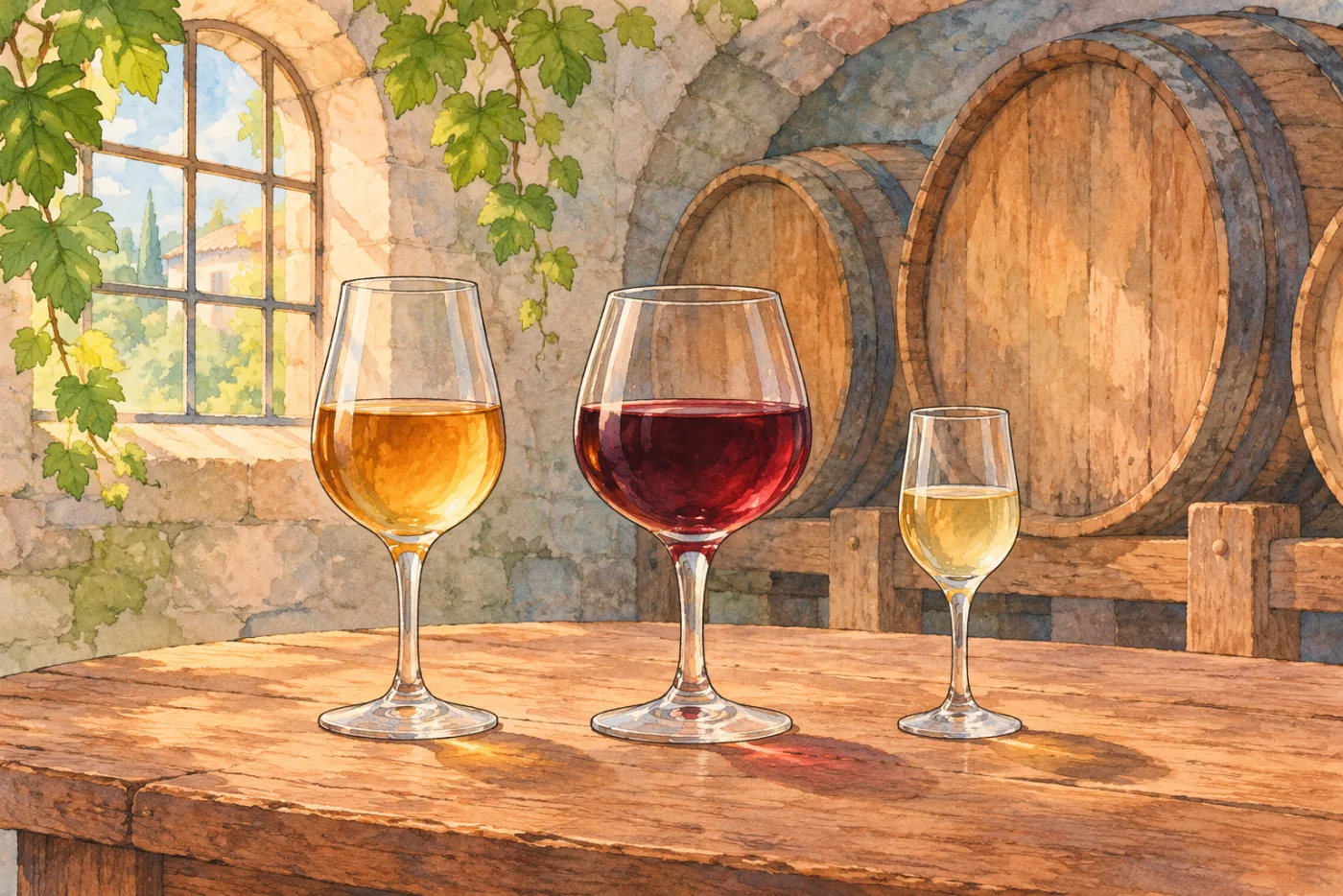
Makers add strong grape spirit to keep these wines safe and shape their taste, and British sea trade made port, sherry and Madeira famous, while Pineau des Charentes grew up on farms in the west of France.
 English lesson

Article
Choose how to use this lesson
You can switch anytime.
Study mode
Introduction
Typing practice
Type the text exactly. Timer starts with your first key.
Text to type: Today we learn about wines made stronger with grape spirit. You will see why makers add it, how sea trade made these wines famous, and how people drink them today.
Ready. The timer starts with your first key.
Complete
Great job!
Strong finish — your speed stayed steady.
Your rhythm
Speed over time- Time
- 0:00
- Raw speed
- 0 WPM
- Wrong keys
- 0
- Corrected
- 0
Before you begin
Warm-up
Have you ever tried a sweet wine or port? What was it like?
Do you like a drink before a meal, with a meal or after it?
What happens to food or drink when it travels for a long time without a fridge?
 Part 1: What Makes a Wine Fortified
Reading
Part 1: What Makes a Wine Fortified
Typing practice
Type the text exactly. Timer starts with your first key.
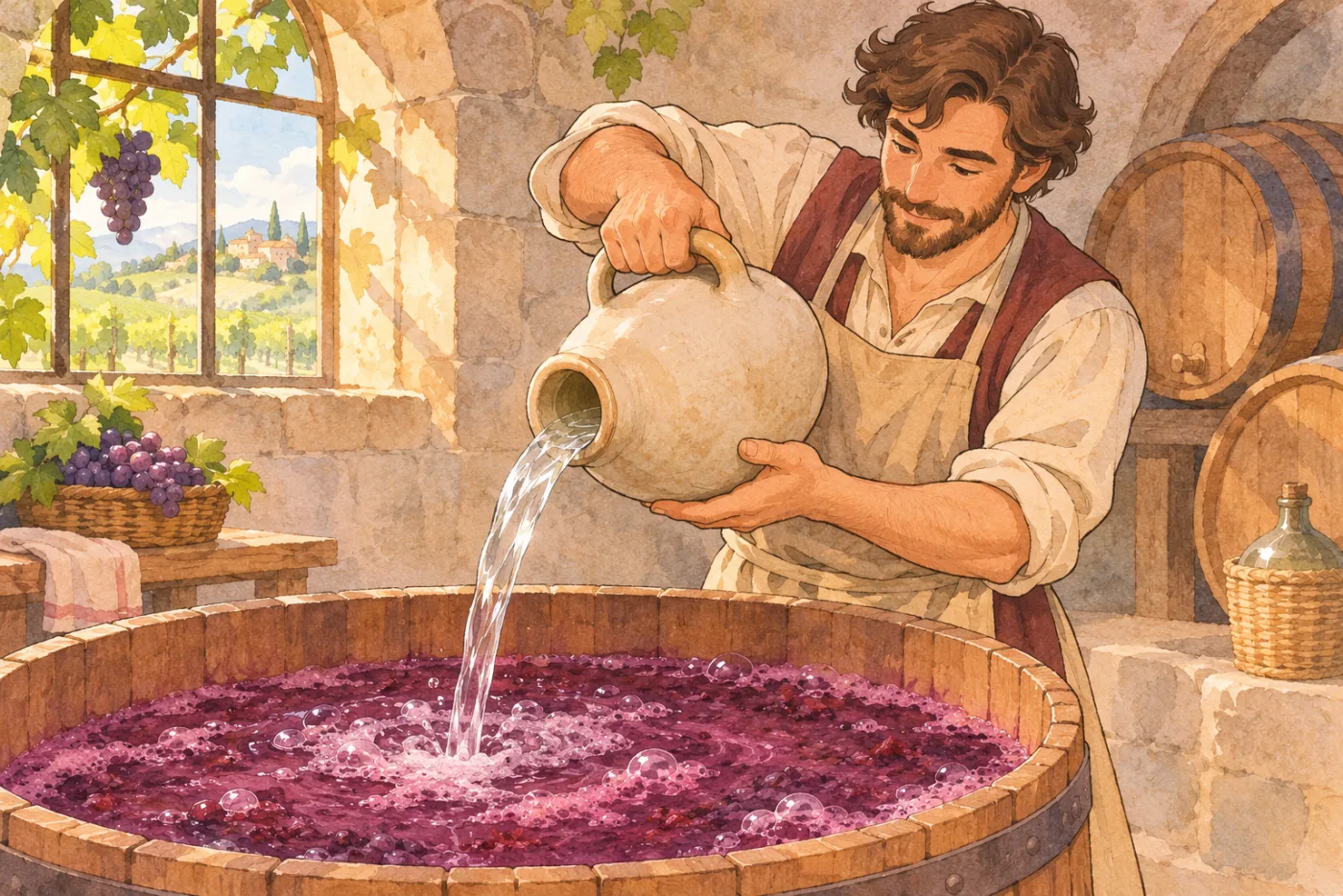
Text to type: Ordinary wine is made by fermentation. Yeast, a tiny living thing, eats the sugar in grape juice and turns it into alcohol. If nothing stops it, the yeast eats almost all the sugar. Then the wine is dry, or not sweet. A fortified wine is a wine made stronger with spirit. A spirit is a very strong alcoholic drink. It can be made from grain, sugar cane or fruit. The spirit in these wines is made from grapes. Finished port, for example, has about 19 to 22 percent alcohol, much more than ordinary wine. The first reason for adding spirit was safety. Ordinary wine often went bad on long sea journeys and arrived sour. Strong alcohol protects wine, so fortified wine could spend months in a hot ship and still arrive safely. The second thing the spirit does depends on when it goes in. Yeast cannot live in such strong alcohol. Picture two barrels of the same grape juice. In the first, makers pour in spirit while fermentation is still going on. The yeast stops, a lot of sugar is left, and the wine stays sweet. This is how port is made. In the second barrel, makers wait until fermentation is over and the sugar is gone. The wine is dry. This is how dry sherry, such as fino, is made. For them, the spirit has a different job: it decides how the wine ages, as you will see later.
Ready. The timer starts with your first key.
Complete
Great job!
Strong finish — your speed stayed steady.
Your rhythm
Speed over time- Time
- 0:00
- Raw speed
- 0 WPM
- Wrong keys
- 0
- Corrected
- 0
Check your understanding
Check: Part 1: What Makes a Wine Fortified
1. Why is port sweet but fino sherry dry?
Sample answer
Port gets its spirit during fermentation, so sugar is left. Fino gets it after fermentation, when the sugar is gone.
 Part 2: Fortified Wine and the Sea Trade
Reading
Part 2: Fortified Wine and the Sea Trade
Typing practice
Type the text exactly. Timer starts with your first key.
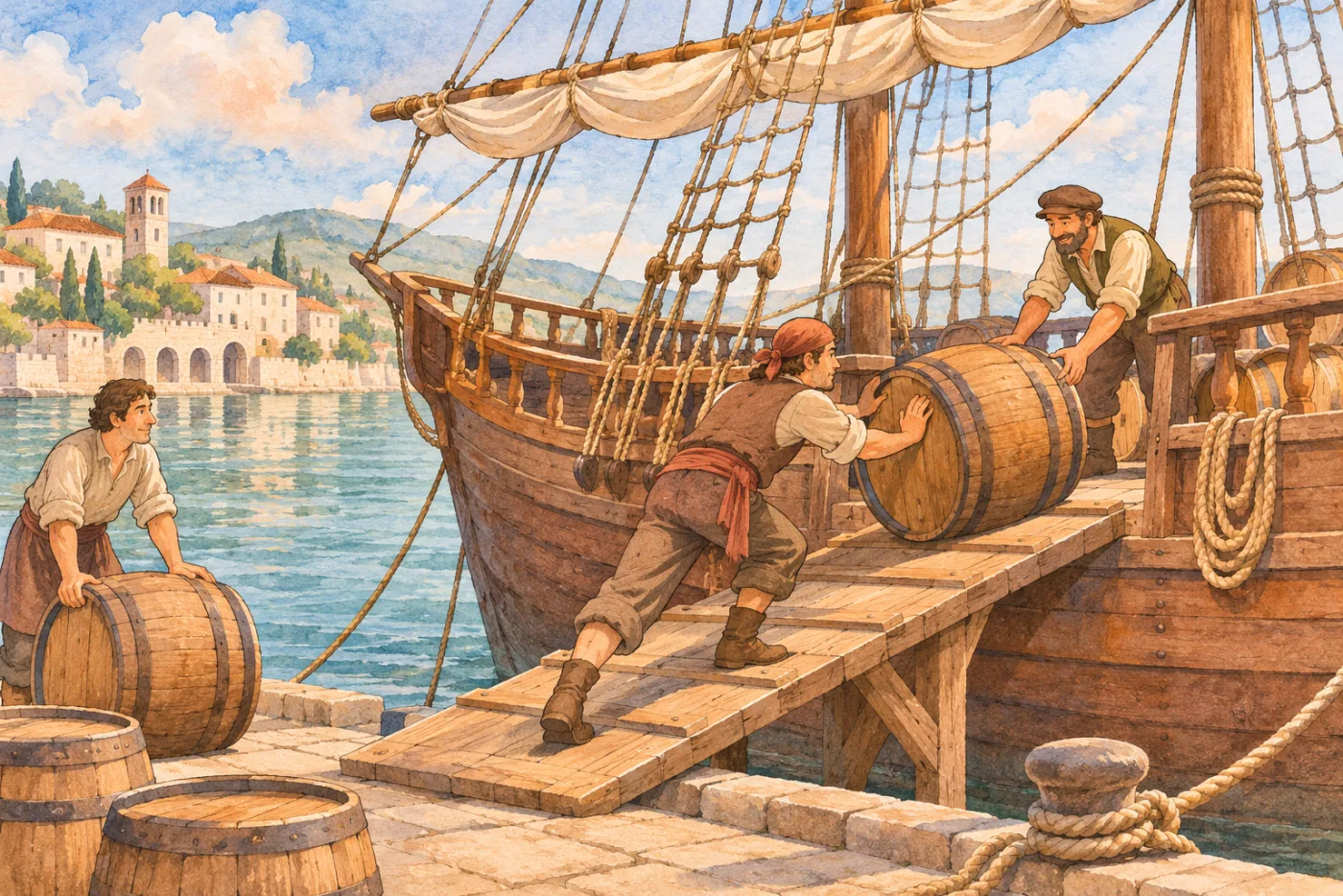
Text to type: These wines became famous thanks to ships and merchants from Britain. Each wine has its own story. Sherry was the first star. It comes from the area around Jerez, a city in southern Spain. The word sherry is simply the English way of saying Jerez. In 1587 the English sailor Francis Drake attacked Cádiz, a city by the sea not far from Jerez. He carried home about 2,900 barrels of sherry. People in England loved it and called it sack, and it soon became a favourite drink there. Port came out of a war. In the late 1600s, England and France were enemies, so England stopped buying wine from France. Merchants from England turned to Portugal instead. In 1703 the two countries signed the Methuen Treaty, an agreement about trade. Because of it, wine from Portugal paid much less tax than wine from France. Red wine from the Douro valley in northern Portugal had a long way to go by sea. So the merchants added spirit to keep it safe on the trip. British merchants built this trade. That is why many port houses, the companies that make port, still have British names, such as Taylor's and Graham's. Madeira is an island of Portugal in the Atlantic Ocean. Ships going to America and Asia often stopped there. Merchants from England lived on the island and ran most of its wine trade. They put barrels of wine on the ships, with spirit added so it would survive. Then something surprising happened. The heat in the hold, the space at the bottom of the ship, made the wine taste better. Wine that travelled the full round trip was called vinho da roda, or wine of the round trip. It became very popular.
Ready. The timer starts with your first key.
Complete
Great job!
Strong finish — your speed stayed steady.
Your rhythm
Speed over time- Time
- 0:00
- Raw speed
- 0 WPM
- Wrong keys
- 0
- Corrected
- 0
Check your understanding
Check: Part 2: Fortified Wine and the Sea Trade
1. Why did English merchants start buying wine in Portugal?
Sample answer
England stopped buying wine from France, and because of the Methuen Treaty, wine from Portugal paid less tax.
 Part 3: Port, Sherry and Madeira Today
Reading
Part 3: Port, Sherry and Madeira Today
Typing practice
Type the text exactly. Timer starts with your first key.
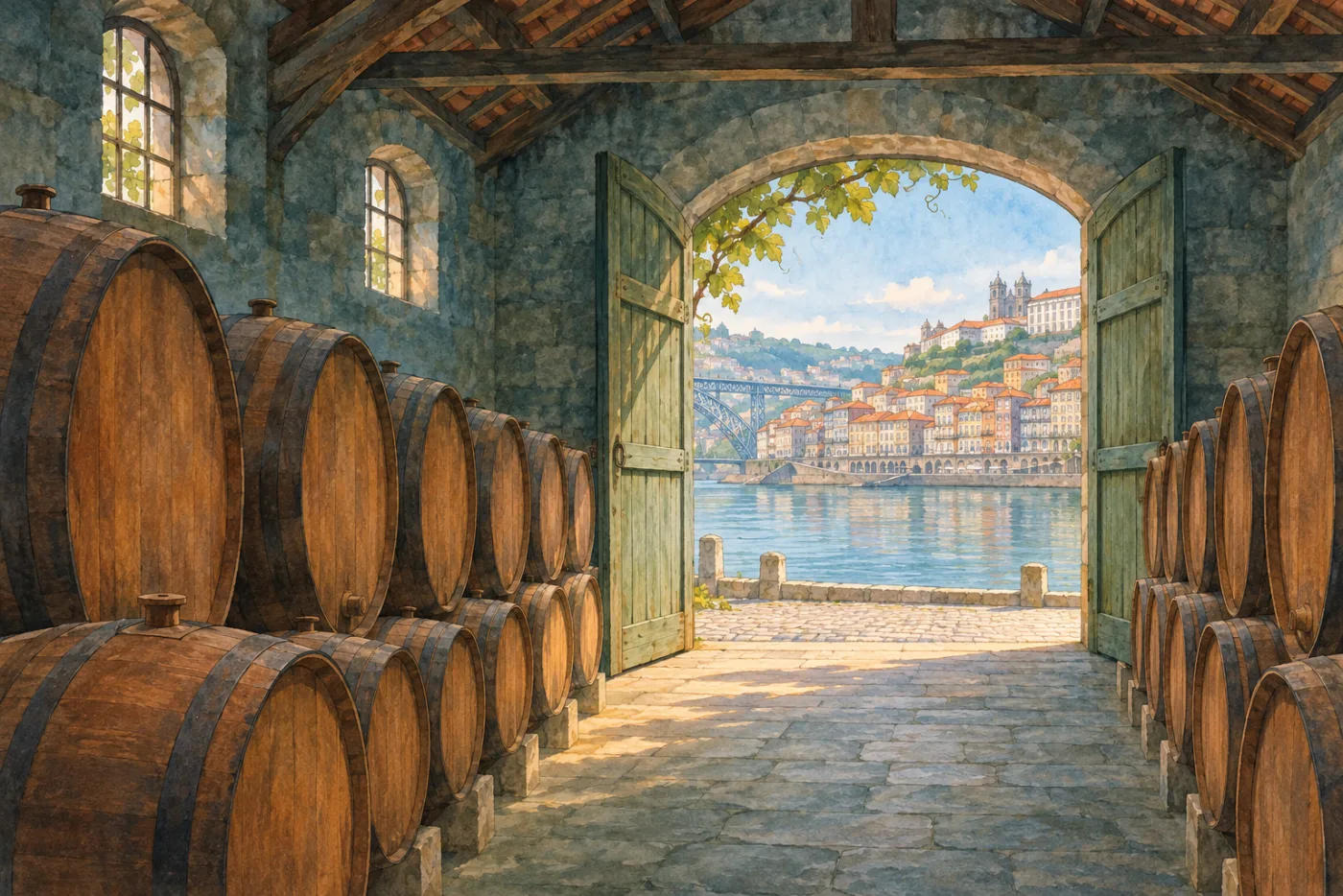
Text to type: Today each of these wines has one thing that makes it special. For port, it is the place where it ages. Port grows old in big buildings called lodges. Many of them are in Vila Nova de Gaia, the town across the Douro river from Porto. These lodges stand on the south bank of the river, so they face north, away from the sun. The air inside stays cool and damp, and the wine ages slowly. Some port houses, such as Taylor's, now also have modern lodges in the Douro valley. They keep the same cool, damp air. Visitors who tour a lodge usually try two styles. Ruby port ages only a short time, so it stays bright red and tastes of fresh fruit. Tawny port ages for years in wooden barrels. A little air comes in through the wood, so the wine slowly turns golden brown and tastes of nuts. For sherry, it is flor, a layer of yeast on top of the wine. It covers the wine in the barrel like a thin white blanket. The flor keeps the air away, so fino and manzanilla stay pale, dry and fresh. But flor can only live if the alcohol is not too strong. So for these wines, makers add only a little spirit, to about 15 percent alcohol. For oloroso, they add more, to about 17 percent. No flor can grow, and air slowly turns the wine dark and rich. A small difference in spirit makes two very different wines. For Madeira, it is heat. Makers on the island now copy the old ship journey on land. Younger wines are warmed in tanks, and the best wines rest for years in warm rooms. Because the wine has already met heat and air, little can hurt it later. An opened bottle stays good for months.
Ready. The timer starts with your first key.
Complete
Great job!
Strong finish — your speed stayed steady.
Your rhythm
Speed over time- Time
- 0:00
- Raw speed
- 0 WPM
- Wrong keys
- 0
- Corrected
- 0
Check your understanding
Check: Part 3: Port, Sherry and Madeira Today
1. Why do fino and manzanilla stay pale?
Sample answer
Makers add only a little spirit, so flor can live on top and keep the air away.
 Part 4: Pineau des Charentes from the Cognac Region
Reading
Part 4: Pineau des Charentes from the Cognac Region
Typing practice
Type the text exactly. Timer starts with your first key.
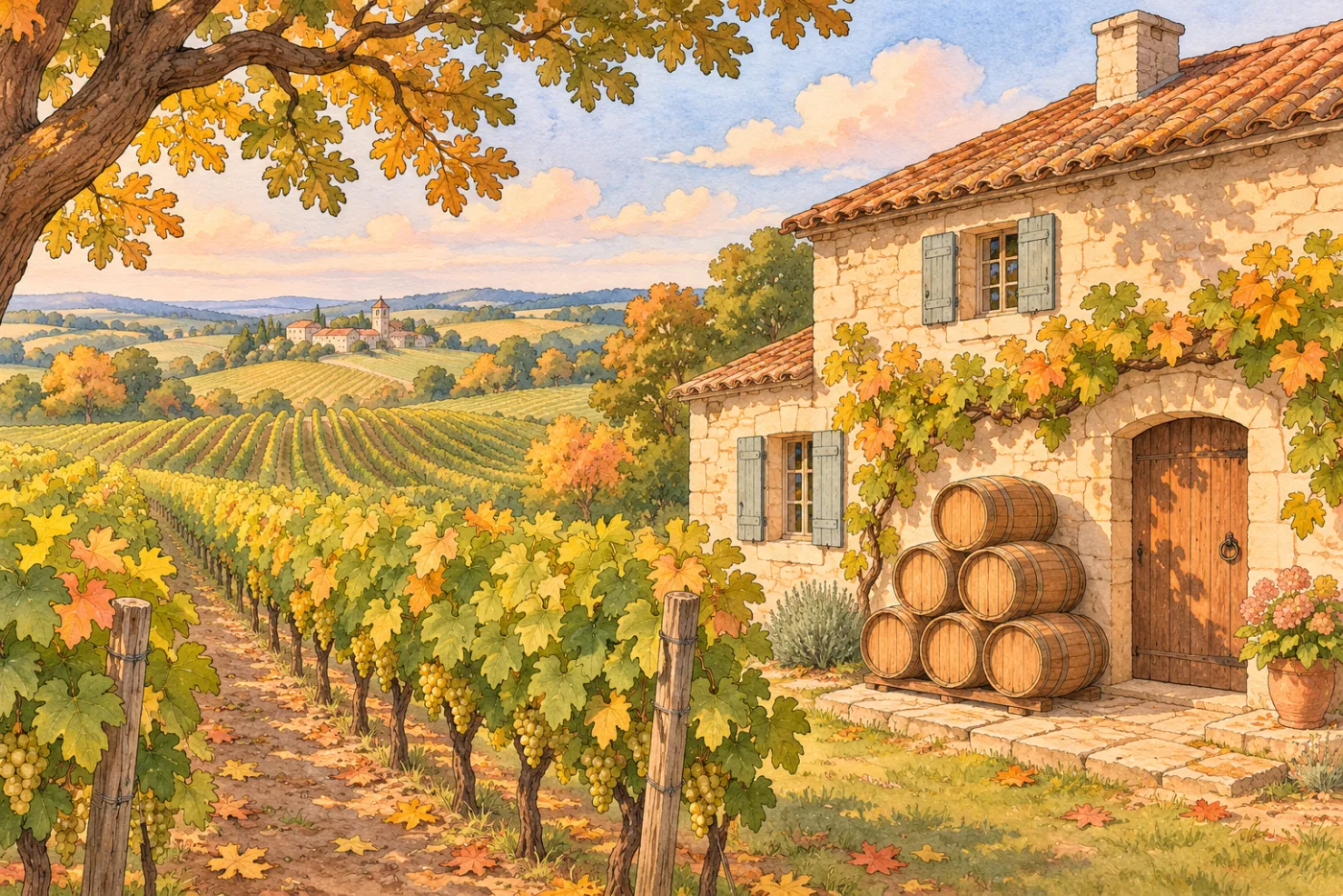
Text to type: Pineau des Charentes comes from the cognac region in the west of France. It is made in two areas called Charente and Charente-Maritime, and in a small part of the Dordogne. Cognac is the famous strong drink of the region, made from wine. Pineau contains only two things: fresh grape juice and young cognac. Makers use about 3 parts juice for every 1 part cognac. The juice and the cognac must come from the same estate. An estate is the land of one farmer, or of one group of farmers, where the grapes grow. The cognac goes into the juice before fermentation really starts. This step is called mutage. The strong alcohol stops the yeast, so almost all the grape sugar stays in the drink. That is why Pineau tastes so much of sweet, fresh grapes. A drink made this way, by adding spirit to grape juice, is called a vin de liqueur. Port is different: its juice ferments for a while first, so part of the sugar has already become alcohol. In Japan, umeshu is closer to Pineau, because fruit and sugar sit in strong alcohol and nothing ferments. Next, Pineau rests in oak barrels. White Pineau ages for at least 18 months, and at least 12 of them must be in oak. Pink and red Pineau, made from red grapes, are sold younger. They taste more of fresh fruit. A Pineau with more than 7 years in oak can be called vieux, or old. With more than 12 years, it is très vieux, or very old. People in the region tell an old story about how Pineau began. During the harvest of 1589, a farmer poured fresh grape juice into a barrel. He thought it was empty, but some cognac was still inside. Years later he opened the barrel and found a clear, sweet, delicious drink. Pineau was born by accident.
Ready. The timer starts with your first key.
Complete
Great job!
Strong finish — your speed stayed steady.
Your rhythm
Speed over time- Time
- 0:00
- Raw speed
- 0 WPM
- Wrong keys
- 0
- Corrected
- 0
Check your understanding
Check: Part 4: Pineau des Charentes from the Cognac Region
1. How is Pineau different from port?
Sample answer
In Pineau, the cognac goes in before fermentation really starts. Port ferments for a while before the spirit goes in.
 Part 5: How People Drink Fortified Wine Today
Reading
Part 5: How People Drink Fortified Wine Today
Typing practice
Type the text exactly. Timer starts with your first key.
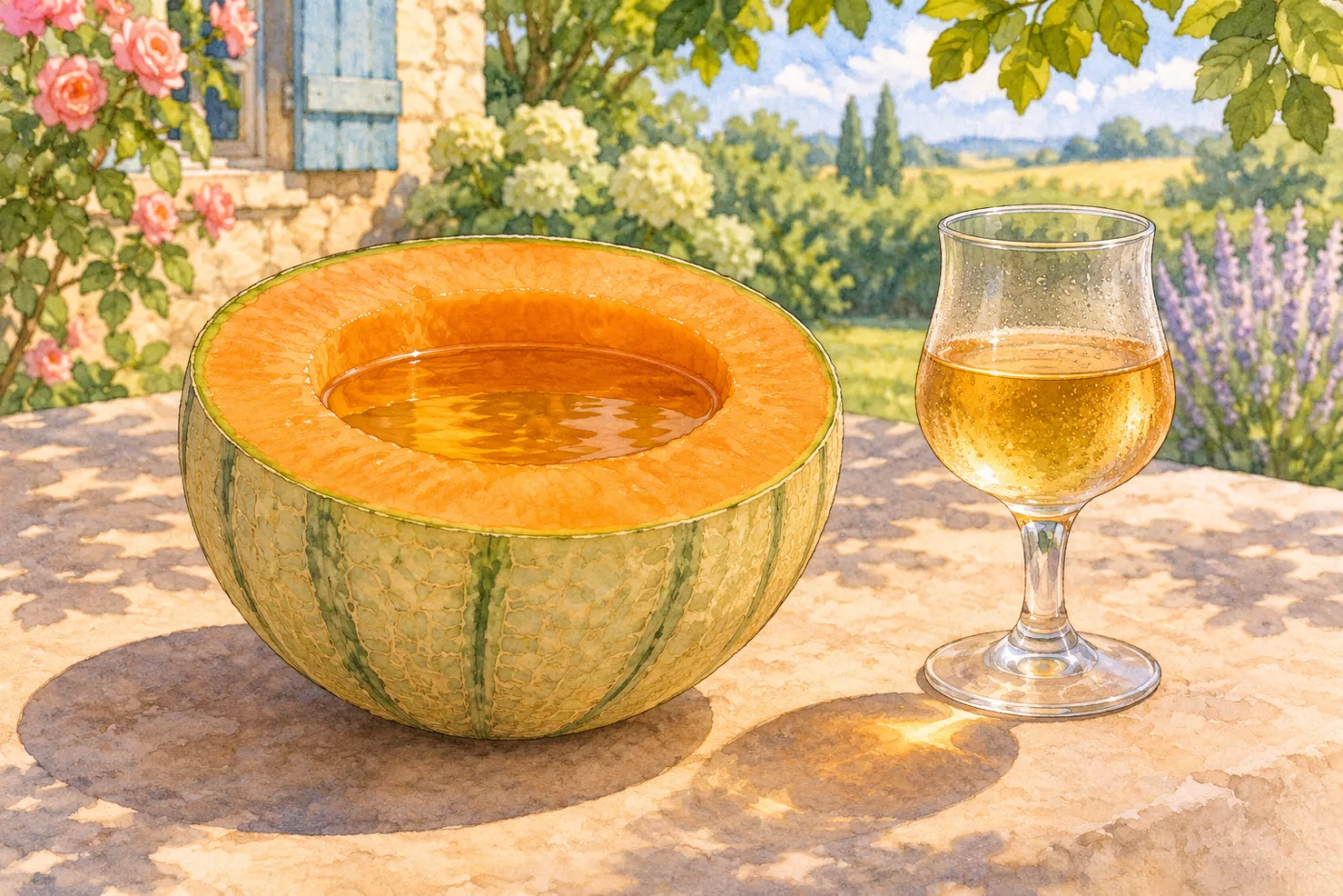
Text to type: People drink each of these wines at the time and the temperature that are best for its taste. Each place has one custom that shows this well. In the Charente, Pineau is an aperitif, a drink before the meal. Its fresh grape taste is best when it is cold, so people serve it at about 8 to 10 degrees. They do not add ice, because the ice would melt and make the drink weaker. A summer favourite is melon au Pineau. You cut a small Charentais melon in half, take out the seeds and pour Pineau into the middle. The two belong together. The melon is named after the same region, and its sweet fruit matches the sweet grape taste of the drink. In southern Spain, fino and manzanilla are dry and fresh, and they taste best very cold. People keep the bottle in a bucket of ice and water. These wines are the stars of the spring fairs, such as the famous one in Seville. The wine must stay cold, so people usually order half bottles, not full ones. A half bottle gives about six glasses, so it is empty before it gets warm. So even the last glass is still cold. In Britain, port is often served at the end of a formal dinner. Its sweet, strong taste is a good way to end the meal. The bottle is passed to the left, so it goes around the table in one direction and reaches everyone. If someone keeps it too long, a guest may ask: Do you know the Bishop of Norwich? A bishop is a church leader, and Norwich is a city in England. One Bishop of Norwich often fell asleep at dinner, so the port stopped next to him. The question is a polite way to say: please pass the bottle. With Madeira, dry styles are drunk before a meal. Sweet ones come with dessert.
Ready. The timer starts with your first key.
Complete
Great job!
Strong finish — your speed stayed steady.
Your rhythm
Speed over time- Time
- 0:00
- Raw speed
- 0 WPM
- Wrong keys
- 0
- Corrected
- 0
Check your understanding
Check: Part 5: How People Drink Fortified Wine Today
1. Why do people at the spring fairs order half bottles?
Sample answer
A half bottle is empty before it gets warm, so even the last glass is still cold.
What you can do now
Final Reflection
Spirit kept these wines safe, ships made them famous, and each place still drinks them in its own way.
Which of these wines would you most like to try, and with what food?
Would you rather try melon au Pineau or a cold fino at a spring fair? Why?
Which custom surprised you most, and why?
Learning cards
My cards
Fortified Wine from Port to Pineau
0 due · 0 new · about 1 min
Learn the sense first · then retrieve it
No saved cards yet
Open a word or phrase in the article and choose Save to My Words.
Focused Reading Mode is open.
Listening
Lesson audio
Listen from the beginning, or choose “Play this part” as you read along.
Reading
Part 1: What Makes a Wine Fortified
Reading
Part 2: Fortified Wine and the Sea Trade
Reading
Part 3: Port, Sherry and Madeira Today
Reading
Part 4: Pineau des Charentes from the Cognac Region
Reading
Part 5: How People Drink Fortified Wine Today
Finished listening?
Mark this listening practice complete when you have followed the lesson audio.
Listening complete
Listen Mode
Word-by-word syncPlay the audio and follow the highlighted word.
Article complete
Choose your next step
Open the next same-level lesson, replay the article, or save this page for later.
Listen Again
Replay the article once and notice how much more you understand.
One replay is enough. Then move on.
Lesson resources
Resources
Sources and fact review (20)
- Liquor (Wikipedia)
spirits made from grain, sugar cane or fruit, made by distillation, which heats a fermented drink and makes its alcohol stronger
- Port wine (Wikipedia)
Douro, 19–22% alcohol, Methuen Treaty, Vila Nova de Gaia lodges, ruby and tawny, port houses with British names, port after a meal, port passed to the left, Bishop of Norwich question
- History of the Douro (Fonseca)
England's ban on French wine, Methuen Treaty tax, spirit added to keep wine safe for shipping
- Port wine (Austria-Forum)
lodges on the north-facing south bank, cool and damp air
- Lodges and cellars (Taylor's)
Taylor's ageing port in Vila Nova de Gaia and in modern lodges in the Douro that keep the same cool, damp air
- Graham's (Symington Family Estates)
Graham's as a port house founded in 1820
- Sherry (Wikipedia)
Jerez, the word sherry from the town's name, fortified after fermentation, flor, fino, manzanilla and oloroso, sack, Drake and about 2,900 barrels in 1587
- Vinification (Consejo Regulador, sherry.wine)
base wine made in the Jerez region, fully fermented dry wine
- What is fortification in Sherry wine? (Consejo Regulador, sherry.wine)
fortification after fermentation, fino and manzanilla at about 15% so flor lives, oloroso at about 17% so flor cannot survive
- Manzanilla pairing (Consejo Regulador, sherry.wine)
manzanilla served very cold in an ice bucket with ice and water
- Manzanilla and Fino, great stars of the Ferias (Consejo Regulador, sherry.wine)
fino and manzanilla served very cold at the spring fairs, half bottle of about six glasses as the size that keeps the wine cool
- Madeira wine (Wikipedia)
ships stopping at the island, English merchants controlling the wine trade, heat in the hold, vinho da roda, ageing that copies the sea journey in heated tanks and warm lodges, long life after opening, dry styles as an aperitif and sweet styles with dessert
- Pineau des Charentes (Wikipedia)
Charente, Charente-Maritime and a little in Dordogne, unfermented or only lightly fermented juice, vin de liqueur, served at 8–10°C, 1589 legend of how Pineau began
- Élaboration du Pineau des Charentes (Destination Cognac)
about three parts grape juice to one part cognac, production area, ageing times
- Pineau des Charentes specification (INAO)
juice and cognac from the same estate, which may be a cooperative
- Le Pineau des Charentes (Saintes Tourisme)
juice and spirit from the same estate, aperitif served cold without ice, melon, legend of Pineau's origin
- Pineau des Charentes specification (EUR-Lex)
white Pineau aged at least 18 months, at least 12 of them in oak
- Pineau des Charentes amendment (Légifrance)
vieux more than 7 years and très vieux more than 12 years in oak
- Melon au Pineau (French Entrée)
Charentais melon filled with Pineau
- The Bishop of Norwich (Taylor's)
the bishop who fell asleep at dinner and stopped the port